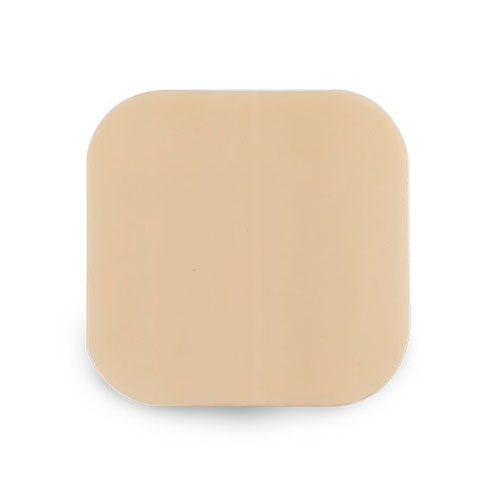
Burn injuries, ranging from minor household accidents to severe thermal trauma, require meticulous wound management to promote healing, prevent infection, and minimize scarring. Among the array of modern wound care products, hydrocolloid dressings have emerged as a versatile option for treating burns. This article explores the scientific rationale, clinical evidence, and practical considerations for using hydrocolloid dressings on burns, addressing their benefits, limitations, and appropriate applications.
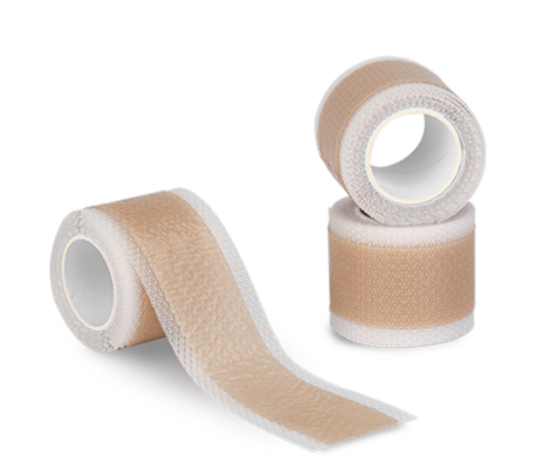
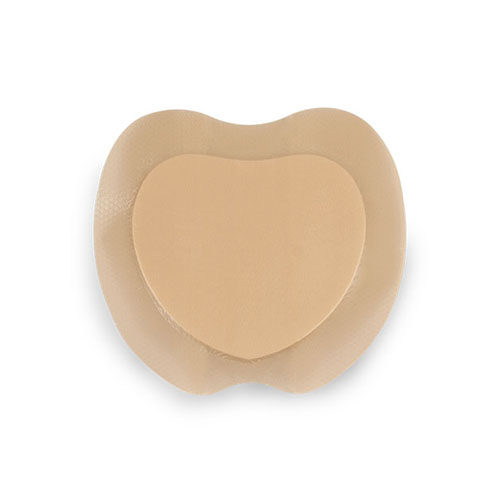
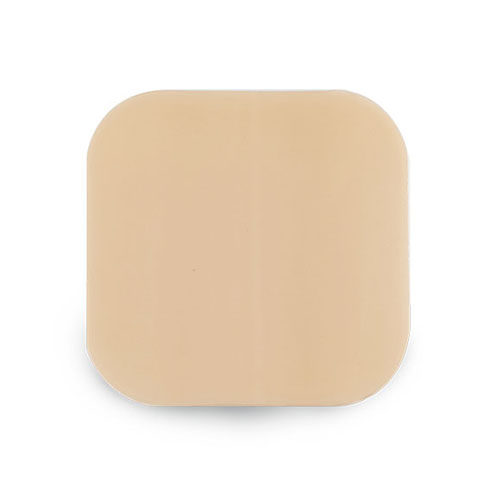
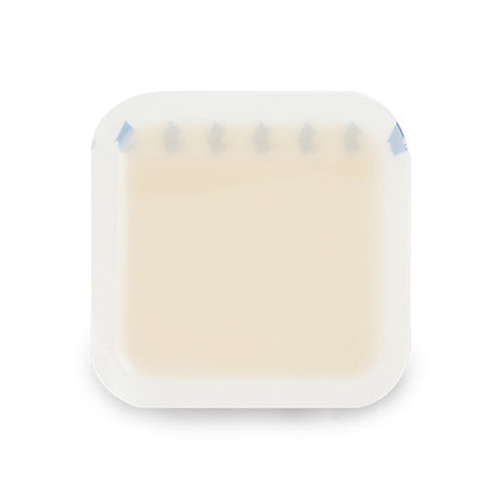
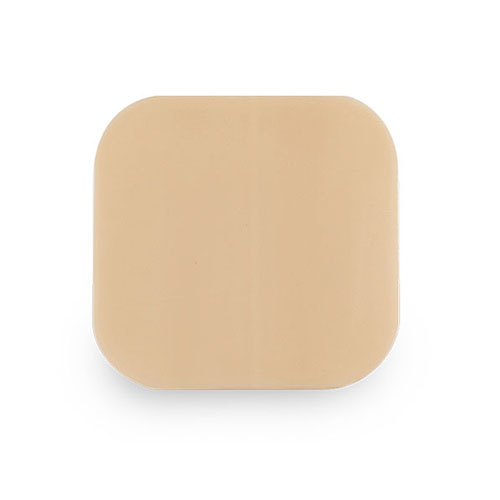
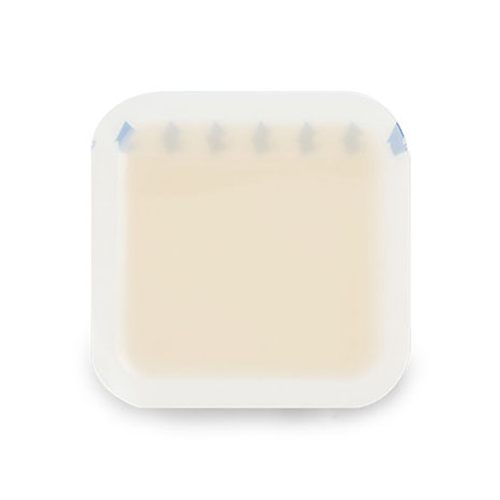
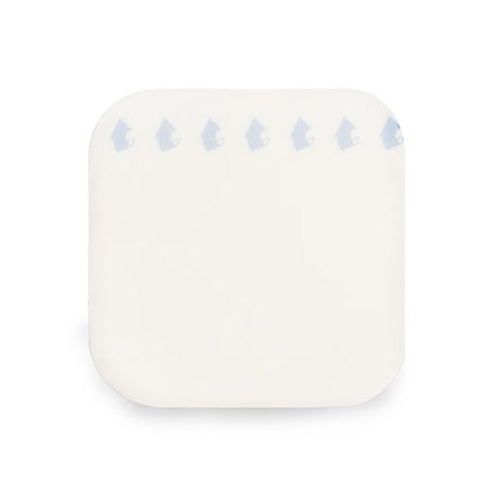
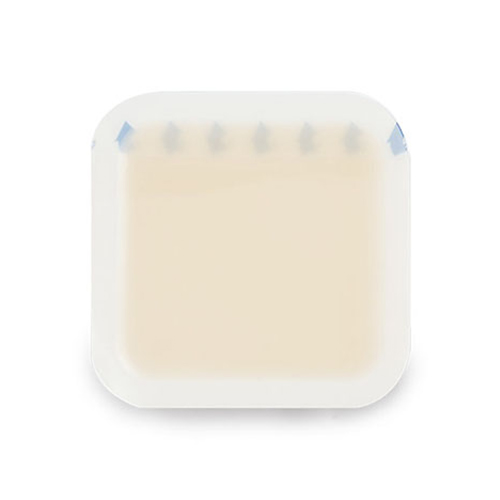
As an ISO13485 and CE‑certified wound‑care manufacturer, Major Medical develops two representative hydrocolloid solutions suitable for burn‑related wound management: hydrocolloid dressing bordered and hydrocolloid dressing ultra‑thin. Our bordered hydrocolloid dressing comes with reinforced adhesive edges to prevent edge‑lifting and fluid leakage, well‑suited for superficial and partial‑thickness burns with low‑to‑moderate exudate. Our ultra‑thin hydrocolloid dressing features a slim, highly conformable structure that fits curved skin areas, ideal for minor burns, blisters and healing burn donor sites. Both product lines support OEM & ODM customization for size, shape and packaging, and free product samples are available for global medical distributors and importers.
Hydrocolloid Dressing Bordered
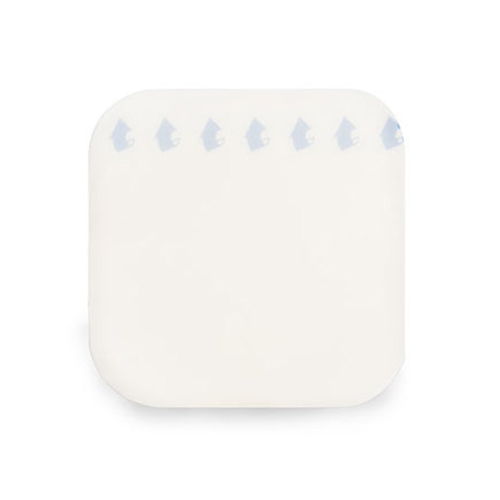
Hydrocolloid Dressing Ultra-Thin
The Science Behind Hydrocolloid Dressings
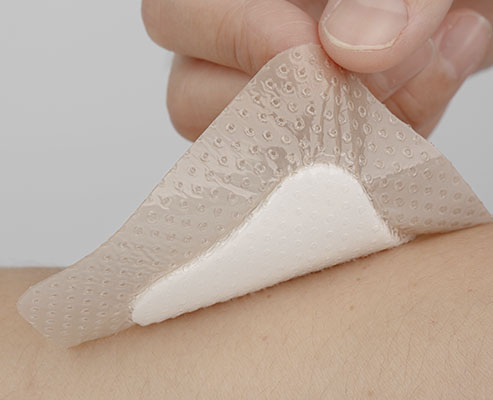
Hydrocolloid dressings are composed of a gel-forming matrix—typically a blend of polymers like sodium carboxymethyl cellulose, pectin, and gelatin—embedded in an adhesive layer and backed by a semi-occlusive film or foam. When applied to a wound, the hydrocolloid absorbs exudate (fluid from the wound) and swells into a gel-like substance. This process creates a moist healing environment, which is critical for burns. Unlike traditional dry dressings, hydrocolloids maintain hydration at the wound site, facilitating autolytic debridement (the body’s natural removal of dead tissue) and supporting the proliferation of new skin cells.
The semi-occlusive nature of hydrocolloid dressings also acts as a barrier against external contaminants, such as bacteria and dirt, while allowing controlled oxygen exchange. This balance reduces the risk of infection without compromising the wound’s ability to "breathe." Additionally, hydrocolloids are designed to adhere gently to the skin, minimizing trauma during dressing changes—a key advantage for sensitive burn wounds.
Clinical Evidence Supporting Hydrocolloid Use on Burns
Numerous studies have evaluated the efficacy of hydrocolloid dressings for burn management, often comparing them to conventional treatments like silver sulfadiazine (SSD) creams or gauze.
1.Healing Efficiency
A 1993 randomized trial compared hydrocolloid dressings (e.g., Granuflex®) to traditional gauze in treating partial-thickness burns. The hydrocolloid group achieved 50% "excellent" healing (defined as complete re-epithelialization with minimal scarring) compared to just 11% in the gauze group. Although the median healing time was similar (12 days), the hydrocolloid’s ability to maintain a moist environment was deemed superior for tissue regeneration.
Another study involving 72 pediatric patients with burns covering less than 10% of their body surface area found no significant difference in healing time between hydrocolloid dressings and Biobrane® (a silicone-nylon composite dressing). However, hydrocolloids were statistically less expensive, making them a cost-effective first-line option for superficial burns.
2.Pain Reduction
Hydrocolloid dressings have been shown to reduce pain during dressing changes and daily activities. Their occlusive layer covers nerve endings, shielding the wound from mechanical irritation. In a comparison with SSD-treated burns, patients using hydrocolloids reported lower pain scores and required fewer analgesics.
3.Infection Control
While hydrocolloids are not inherently antimicrobial, their moist environment supports the activity of endogenous growth factors in exudate, which can aid in fighting pathogens. A study of small partial-thickness burns found that hydrocolloid dressings reduced the frequency of dressing changes (3 vs. 9 changes with SSD) without increasing infection rates, suggesting their safety for short-term use.
Looking for a Reliable Medical Dressing & Medical Tape Manufacturer?
Major Medical (Changzhou Major Medical Products) specializes in advanced wound dressings, ostomy supplies, various adhesive medical tapes & plasters, PPE and home‑care medical products. Our product portfolio covers silicone foam dressings, hydrocolloid dressings, alginate dressings, IV dressings, sport kinesiology tapes, wound plasters and first‑aid kits. We support free customization on raw material, shape, size and opening design. Free samples are available (customer bears shipping cost). All products comply with CE & ISO certification. With over 20‑year manufacturing experience, 20,000㎡ production workshop and 25+ utility patents, we serve medical distributors, brand wholesalers and importers across Europe, America, Southeast Asia, Australia and Africa.
Request Quote & Free Samples
4.Scar Quality
By promoting optimal moisture balance, hydrocolloid dressings may improve long-term scar outcomes. A trial on skin graft donor sites revealed that hydrocolloid-treated wounds healed 3.6 days faster than those dressed with paraffin gauze, with less hypertrophic scarring reported at follow-up.

When to Use Hydrocolloid Dressings on Burns
Hydrocolloid dressings are most suitable for superficial to partial-thickness burns (first- and second-degree burns) with low to moderate exudate. Examples include:
Minor household burns from hot liquids or surfaces.
Sunburn with intact blisters.
Small thermal injuries from friction or radiation.
They are not recommended for:
Full-thickness burns (third-degree) with eschar or necrosis.
Infected wounds (due to their occlusive nature).
Burns with heavy exudate, which may overwhelm the dressing’s absorptive capacity.
Practical Considerations for Application
1.Assessment: Evaluate the burn’s depth, size, and exudate level before selecting a dressing. Hydrocolloids are ideal for wounds that are clean, uninfected, and not overly wet.
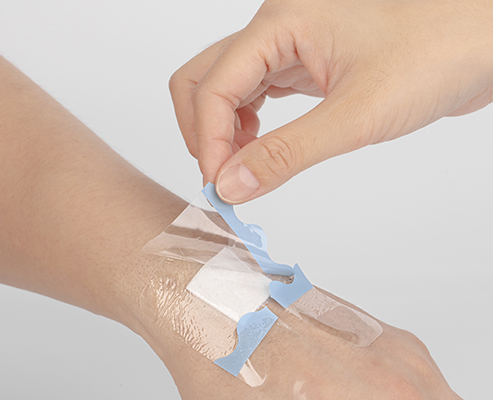
2.Application: Clean the wound gently, pat it dry, and apply the hydrocolloid dressing, ensuring full coverage. Some products feature an adhesive border to prevent leakage.
3.Wear Time: Hydrocolloid dressings can remain in place for 3–7 days, depending on exudate volume. Replace the dressing if it becomes saturated (indicated by a white, opaque appearance) or if leakage occurs.
4.Removal: To avoid skin trauma, press down on the skin adjacent to the dressing and peel it off slowly in the direction of hair growth.
Conclusion: The Role of Hydrocolloid Dressings in Burn Care
Hydrocolloid dressings offer a scientifically validated, patient-friendly approach to managing superficial and partial-thickness burns. Their ability to create a moist healing environment, reduce pain, and minimize dressing changes makes them a valuable tool in both clinical and home settings. While they are not universal solutions for all burn types, hydrocolloid dressings excel in scenarios requiring gentle, long-lasting protection with cost efficiency. By adhering to evidence-based guidelines for selection and application, healthcare providers and patients can leverage the benefits of hydrocolloid dressings to optimize burn recovery outcomes. As research continues to refine their formulations and applications, hydrocolloid dressings remain a cornerstone of modern wound care, balancing innovation with practicality.
FAQ
What is a hydrocolloid dressing used for?
A hydrocolloid dressing is designed to protect wounds and maintain a moist healing environment. It can be used for minor cuts, abrasions, blisters, pressure injuries, and low-to-moderately exuding wounds. The dressing absorbs wound fluid and forms a gel, helping protect the wound from external contamination.
How does a hydrocolloid dressing work?
A hydrocolloid dressing contains moisture-absorbing materials that interact with wound exudate to form a soft gel. This helps maintain a moist wound environment while cushioning and protecting the wound. Its adhesive layer keeps the dressing securely in place during normal movement and daily activities.
How long can a hydrocolloid dressing stay on a wound?
The wearing time depends on wound condition, exudate level, and dressing performance. A hydrocolloid dressing may remain in place for several days when properly applied. It should be changed when the dressing becomes saturated, begins to leak, loses adhesion, or according to professional wound-care recommendations.
What types of wounds are suitable for hydrocolloid dressing?
Hydrocolloid dressing is generally suitable for clean, superficial wounds with low to moderate exudate, including minor abrasions, blisters, and some pressure injuries. It is not typically intended for heavily exuding, infected, or deep wounds unless recommended by a qualified healthcare professional.
Can hydrocolloid dressing be customized for OEM orders?
Yes. As a hydrocolloid dressing manufacturer, we can support OEM and ODM requirements based on customer needs. Customization may include dressing size, shape, adhesive formulation, packaging, labeling, and other product specifications, subject to production capabilities and applicable regulatory requirements.










![[Exhibition Preview] Meijie Medical will meet you with new products at the 134th Canton Fair](http://www.czmajor.com/uploadfiles/128.1.164.27/webid2076/newsimg/202511/691d21b71c14b.jpg)