







![[Exhibition Preview] Meijie Medical will meet you with new products at the 134th Canton Fair](http://www.czmajor.com/uploadfiles/128.1.164.27/webid2076/newsimg/202511/691d21b71c14b.jpg)

News Categories

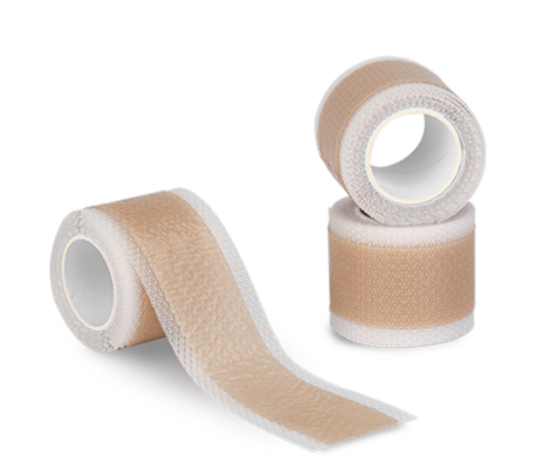
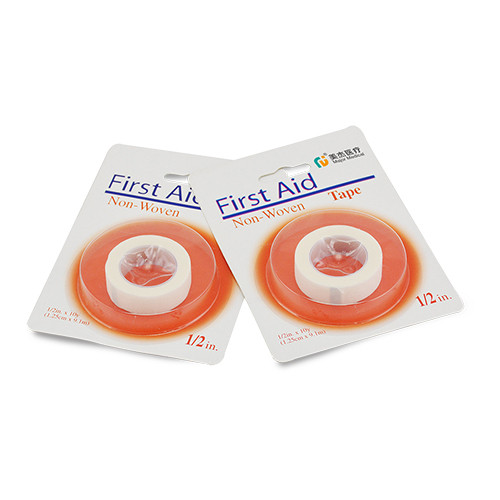
Zinc oxide tape is a versatile adhesive tape widely used in sports, first aid, and rehabilitation settings due to its unique properties. Composed of a rigid cotton or synthetic fabric coated with zinc oxide-based adhesive, this tape provides strong support, minimizes movement, and helps prevent injuries. Unlike other adhesive tapes, zinc oxide tape is hypoallergenic, water-resistant, and durable, making it ideal for securing bandages, stabilizing joints, or managing strains and sprains. Whether you’re an athlete, a healthcare professional, or someone seeking reliable home first aid solutions, understanding how to use zinc oxide tape effectively can enhance safety and promote recovery. This article outlines step-by-step methods for applying zinc oxide tape, highlights critical precautions, and explores its benefits across various scenarios.
How to Apply Zinc Oxide Tape
Proper application of zinc oxide tape ensures maximum effectiveness and reduces the risk of skin irritation or improper support. Follow these steps to use it correctly:
1.Prepare the Skin and Area
Clean the skin thoroughly to remove dirt, oil, or sweat, as these can weaken the adhesive bond. Use mild soap and water, then pat the area dry. If applying to a joint (e.g., ankle, wrist), ensure the joint is in a neutral position to avoid overstretching the tape during movement. For hairy areas, consider trimming excess hair to improve adhesion and reduce pain when removing the tape.
2.Measure and Cut the Tape
Unroll the zinc oxide tape and measure the required length based on the area to be covered. Use sharp scissors to cut a clean edge, as frayed edges may peel prematurely. For joints, leave a small gap (1-2 cm) between tape strips to allow slight flexibility and prevent circulation issues.
3.Apply the Tape Without Stretching
Zinc oxide tape is non-elastic, so avoid stretching it during application unless targeting a specific movement restriction (e.g., wrist flexion). Press the tape firmly onto the skin, starting from one end and smoothing it outward to eliminate air bubbles. For added stability, overlap tape strips by half their width, ensuring no gaps exist between layers.
4.Secure Edges and Anchor Points
To prevent the tape from unraveling, wrap the ends around a stable structure, such as a bone or tendon. For example, when taping an ankle, anchor the tape around the heel bone before moving upward. This technique distributes tension evenly and enhances durability.
5.Layer for Additional Support
For injuries requiring extra reinforcement, apply a second layer of zinc oxide tape perpendicular to the first. This “cross-hatching” method increases stability without compromising comfort. However, avoid excessive layering, as it may restrict blood flow or cause discomfort.
6.Remove the Tape Properly
To minimize skin trauma, remove zinc oxide tape slowly and in the direction of hair growth. If the tape adheres tightly, soak the area in warm water or use an adhesive remover to loosen the bond. Never rip the tape off abruptly, as this can damage the skin or irritate sensitive areas.

Key Precautions When Using Zinc Oxide Tape
While zinc oxide tape is safe for most users, misuse can lead to complications. Adhere to these precautions:
Avoid Allergic Reactions: Although hypoallergenic, test a small patch of tape on the skin before full application, especially if you have sensitive skin or a history of adhesive allergies.
Do Not Apply to Open Wounds: Zinc oxide tape is not a substitute for sterile dressings. Use it only over closed wounds or bandages to secure them in place.
Monitor Circulation: Ensure the tape is not too tight, as this can impair blood flow. Symptoms like numbness, tingling, or discoloration require immediate removal.
Limit Duration of Use: Prolonged application (beyond 3–5 days) may irritate the skin. Remove the tape regularly to inspect the area and allow the skin to breathe.
Store Properly: Keep zinc oxide tape in a cool, dry place away from direct sunlight to maintain its adhesive properties.
Conclusion
Zinc oxide tape is a reliable tool for injury prevention, joint stabilization, and wound management. Its non-elastic, hypoallergenic design makes it suitable for diverse applications, from athletic support to postoperative care. By following proper application techniques—such as preparing the skin, measuring accurately, and securing edges—users can maximize the tape’s effectiveness while minimizing risks. Additionally, adhering to precautions like avoiding tight wrapping and monitoring skin health ensures safe usage. Whether you’re an athlete protecting a vulnerable joint or a caregiver securing a bandage, zinc oxide tape offers durability and peace of mind. With these guidelines, you can confidently incorporate zinc oxide tape into your first aid or fitness routine, enhancing both performance and recovery.


Changzhou Major Medical Products Co., Ltd. was established in June 2005, focusing on the field of medical supplies for 17 years. It is a high-tech enterprise that is quality-oriented, engaged in the research and development, production and sales of advanced medical dressings.