



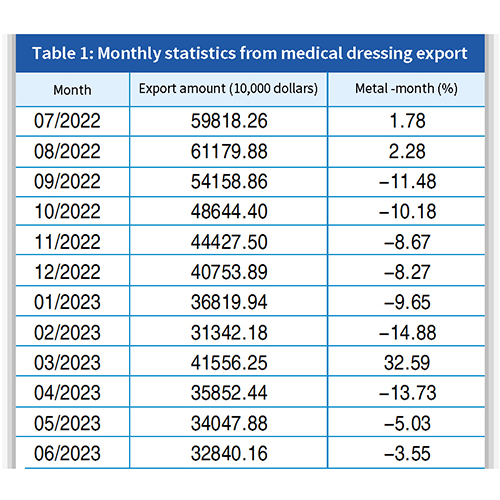


![[Exhibition Preview] Meijie Medical will meet you with new products at the 134th Canton Fair](http://www.czmajor.com/uploadfiles/128.1.164.27/webid2076/newsimg/202511/691d21b71c14b.jpg)

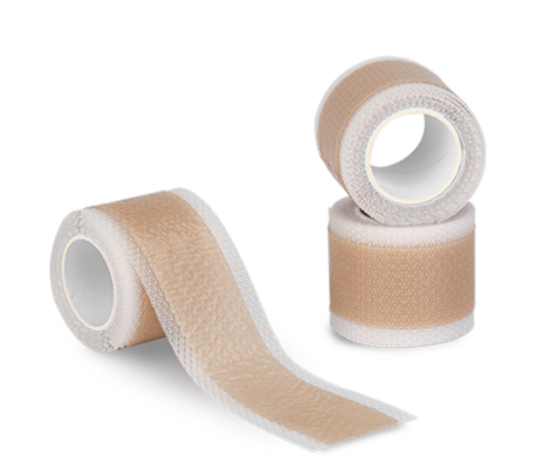
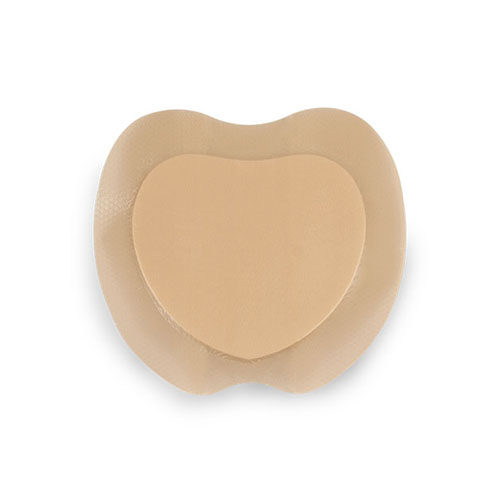
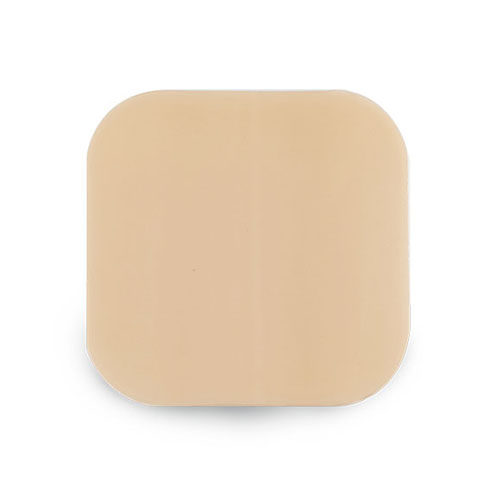
News Categories

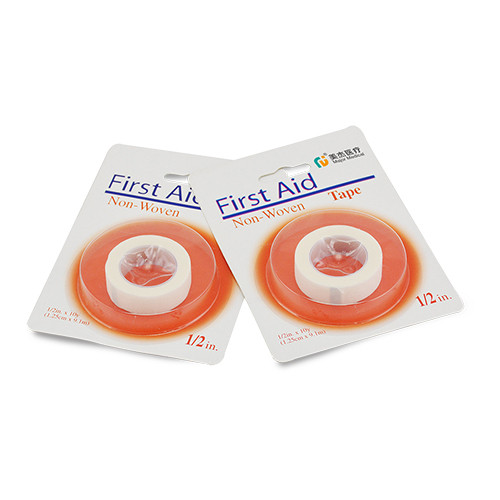
Zinc oxide tape, a staple in sports medicine and first aid kits, is a versatile adhesive tape renowned for its robust support, skin-friendly properties, and multifunctional applications. From stabilizing joints to preventing blisters, this tape’s unique composition—a cotton or synthetic woven fabric coated with zinc oxide-based adhesive—makes it indispensable in both clinical and athletic settings. This article explores the diverse roles of zinc oxide tape, highlighting its mechanisms, benefits, and practical uses.
1.Joint Support and Injury Prevention
One of the primary functions of zinc oxide tape is to immobilize or stabilize joints, reducing movement that could exacerbate injuries or cause further damage. Its rigid, non-stretch design provides structural support to areas like ankles, wrists, and knees, making it ideal for treating sprains, strains, or ligament injuries. For example, athletes often wrap their ankles with zinc oxide tape before high-impact sports to prevent rolling or twisting injuries. The tape’s tensile strength ensures joints remain securely positioned, while its breathability prevents moisture buildup, which could weaken adhesion during prolonged use.
Physiotherapists also use zinc oxide tape for post-injury rehabilitation. By restricting harmful movements, the tape allows damaged tissues to heal while maintaining some degree of mobility. For instance, a layered taping technique around an elbow joint can limit hyperextension without completely restricting range of motion, enabling gradual recovery.
2.Blister and Wound Protection
Zinc oxide tape excels in preventing and treating skin irritations, particularly blisters caused by friction. Its adhesive creates a protective barrier between the skin and external irritants like shoes or equipment. When applied over vulnerable areas, such as the heels or toes, the tape reduces shear forces by allowing the foot to move slightly within the shoe while keeping the skin intact. This is crucial for athletes, hikers, or workers who engage in repetitive motions.
The tape’s antibacterial properties further aid wound care. By covering cuts or abrasions, it prevents bacterial contamination and accelerates healing. Unlike traditional bandages, zinc oxide tape adheres firmly even in humid conditions, making it suitable for sweaty environments. For example, runners often use it to secure blister dressings during marathons, ensuring the padding stays in place despite constant movement.

3.Muscle and Ligament Stabilization
Beyond joints, zinc oxide tape supports muscles and ligaments by enhancing proprioception—the body’s awareness of its position in space. When wrapped around a muscle group, such as the quadriceps or calves, the tape provides subtle compression that improves blood flow and reduces fatigue. This is particularly beneficial during endurance sports like cycling or soccer, where muscle strain is common.
The tape’s rigidity also helps correct biomechanical imbalances. For instance, taping the arch of the foot can alleviate overpronation (excessive inward rolling), a common cause of knee and hip pain. By distributing pressure evenly, zinc oxide tape promotes proper alignment and reduces stress on vulnerable structures.
4.Versatility in Athletic and Clinical Settings
Zinc oxide tape’s adaptability extends to various sports and medical scenarios. Volleyball players use it to stabilize fingers prone to hyperextension, while rock climbers rely on it to protect their hands from abrasions. In emergency medicine, paramedics apply the tape to secure splints or immobilize fractures temporarily. Its durability allows it to withstand water, dirt, and extreme temperatures, making it a reliable choice for outdoor activities.
The tape’s ease of use is another advantage. It can be torn by hand—a feature that speeds up application during fast-paced events—and adheres well to both skin and clothing. For optimal results, users are advised to apply the tape at room temperature, as cold adhesive may harden and lose stickiness. Rubbing the tape vigorously after application generates heat, activating the adhesive for a stronger bond.
Conclusion
Zinc oxide tape is a cornerstone of injury management and preventive care, offering unparalleled support, protection, and versatility. Its rigid structure immobilizes joints, while its breathable, antibacterial properties safeguard the skin from blisters and infections. Whether used by athletes to enhance performance or by clinicians to aid recovery, zinc oxide tape remains a trusted tool due to its durability and skin-friendly design. From stabilizing sprained ankles to preventing friction-related injuries, the tape’s applications are as diverse as they are effective. As sports science and first aid evolve, zinc oxide tape continues to prove its worth as an essential, multifunctional solution for maintaining physical health and mobility.


Changzhou Major Medical Products Co., Ltd. was established in June 2005, focusing on the field of medical supplies for 17 years. It is a high-tech enterprise that is quality-oriented, engaged in the research and development, production and sales of advanced medical dressings.