







![[Exhibition Preview] Meijie Medical will meet you with new products at the 134th Canton Fair](http://www.czmajor.com/uploadfiles/128.1.164.27/webid2076/newsimg/202511/691d21b71c14b.jpg)


News Categories

Maintaining a sterile intravenous (IV) dressing is a critical component of patient care in medical settings. IV dressings serve as protective barriers that shield the insertion site from contaminants, reduce infection risks, and secure the catheter in place. However, improper handling during dressing changes can compromise patient safety, leading to complications such as catheter-related bloodstream infections (CRBSIs) or dislodgement. Therefore, healthcare providers and caregivers must adhere to strict protocols when changing IV dressings. This article provides a step-by-step guide, highlights key precautions, and underscores the importance of aseptic techniques to ensure optimal outcomes.
How to Change IV Dressing: Step-by-Step Solutions
1.Gather Supplies
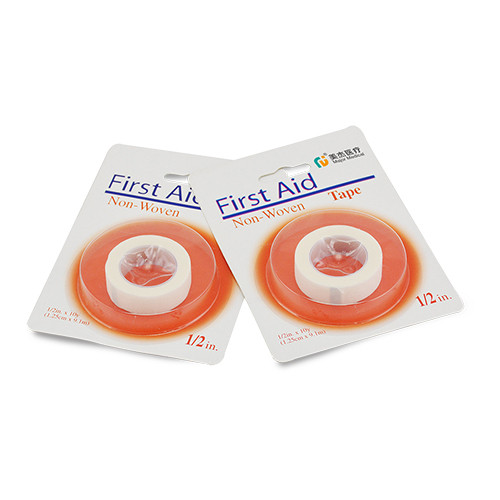
Before initiating the procedure, assemble all necessary materials: sterile gloves, antiseptic solution (e.g., chlorhexidine or alcohol-based swabs), transparent IV dressing, gauze pads (if needed), medical tape, and a biohazard disposal bag. Ensure the patient’s bed or workspace is clean and organized to minimize contamination risks.
2.Prepare the Patient and Environment
Explain the procedure to the patient to alleviate anxiety. Position them comfortably, exposing the IV site while maintaining privacy. Wash hands thoroughly with soap and water or use an alcohol-based hand sanitizer. Put on sterile gloves to create a barrier between your hands and the IV dressing.
3.Remove the Old Dressing
Gently peel the edges of the existing IV dressing toward the center, moving in the direction of hair growth to minimize skin trauma. If the dressing adheres stubbornly, moisten it with sterile saline to ease removal. Avoid pulling forcefully, as this may dislodge the catheter or irritate the skin. Discard the used dressing in the biohazard bag immediately.
4.Assess the Insertion Site
Inspect the IV site for signs of infection, such as redness, swelling, warmth, or purulent discharge. Check for catheter stability—if it appears loose or misaligned, consult a supervisor before proceeding. Document any abnormalities in the patient’s chart.

5.Clean the Site
Using antiseptic swabs, clean the area in a circular motion, starting at the insertion point and moving outward in concentric circles. Allow the solution to air dry completely; wiping it off may reintroduce germs. For patients with sensitive skin, opt for a hypoallergenic cleanser.
6.Apply the New IV Dressing
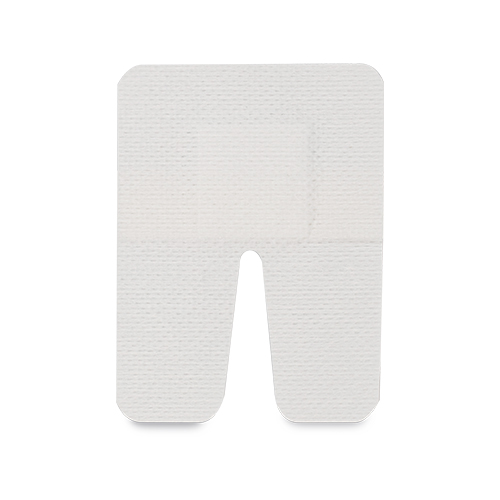
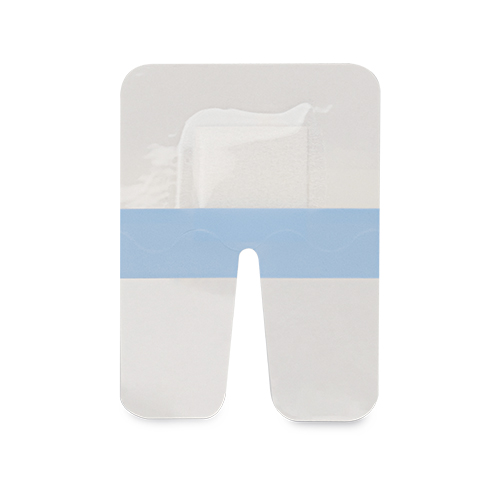
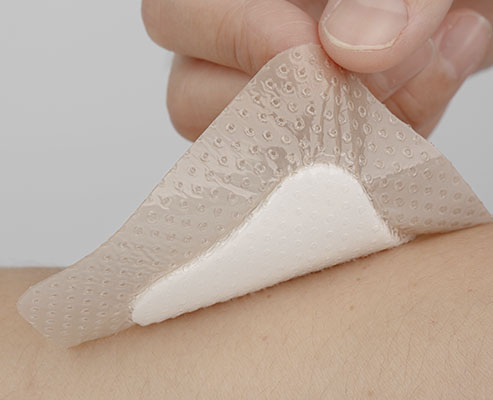
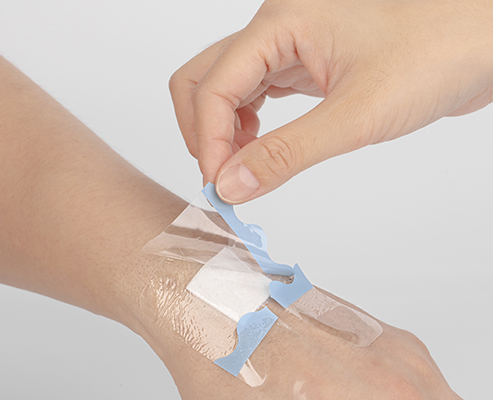
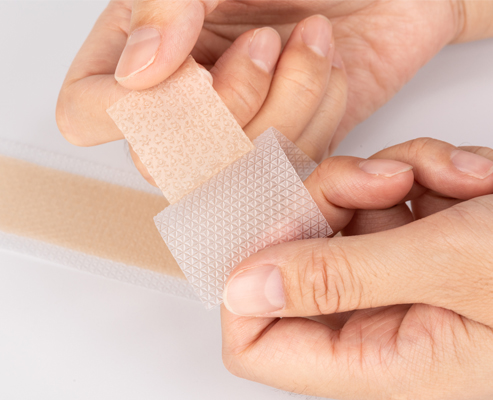
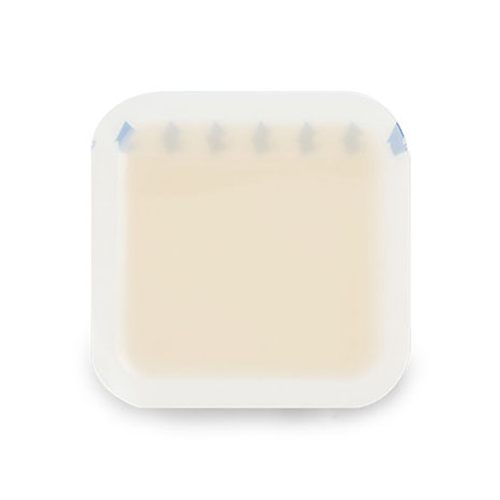
Remove the backing from the sterile IV dressing, avoiding contact with the adhesive surface. Center the dressing over the catheter hub, ensuring full coverage of the insertion site. Smooth the edges firmly to prevent air pockets or lift-off. If using gauze and tape (for heavily bleeding sites), secure the layers without obstructing the catheter lumen.
7.Label and Document
Write the date, time, and your initials on the IV dressing or adjacent chart. Record the procedure in the patient’s medical file, noting any observations or interventions.
Key Precautions When Changing IV Dressing
Aseptic Technique:Treat every step as a sterile procedure. Avoid touching non-sterile surfaces or adjusting the catheter without gloves.
Frequency:Change IV dressings every 7 days or sooner if they become soiled, loose, or damp. Transparent dressings allow for daily site inspection without removal.
Patient Monitoring:Encourage patients to report pain, itching, or unusual sensations around the IV site, which may indicate complications.
Allergies:Verify whether the patient has a history of reactions to adhesives or antiseptics. Use alternative products if needed.
Waste Disposal:Discard used materials promptly in designated sharps or biohazard containers to prevent needlestick injuries or cross-contamination.
Conclusion
Changing an IV dressing is a routine yet vital task that demands precision and adherence to infection control principles. By following structured steps—from preparation to documentation—healthcare providers can safeguard patients against preventable harm. Transparent IV dressings, when applied correctly, facilitate easy monitoring while maintaining a sterile environment. However, vigilance is essential: regular site assessments and prompt responses to abnormalities are equally important. Ultimately, mastering IV dressing changes reduces the risk of CRBSIs, enhances patient comfort, and upholds the standards of modern medical care. Whether in hospitals, clinics, or home settings, this skill remains indispensable for ensuring the longevity and safety of IV therapy.
By prioritizing sterile techniques and patient-centered care, clinicians can transform a simple procedure into a cornerstone of healing. Remember: the integrity of an IV dressing is not just about covering a wound—it’s about protecting a lifeline.


Changzhou Major Medical Products Co., Ltd. was established in June 2005, focusing on the field of medical supplies for 17 years. It is a high-tech enterprise that is quality-oriented, engaged in the research and development, production and sales of advanced medical dressings.