





![[Exhibition Preview] Meijie Medical will meet you with new products at the 134th Canton Fair](http://www.czmajor.com/uploadfiles/128.1.164.27/webid2076/newsimg/202511/691d21b71c14b.jpg)


News Categories

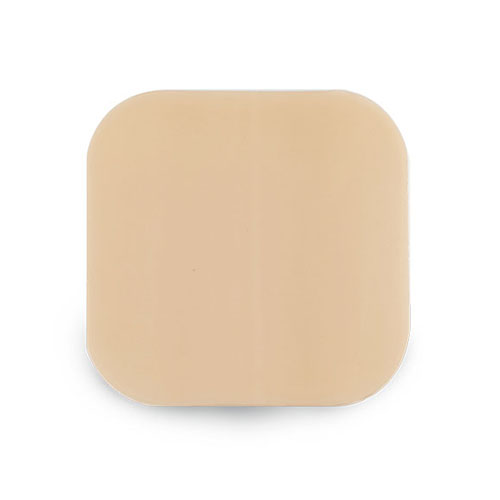
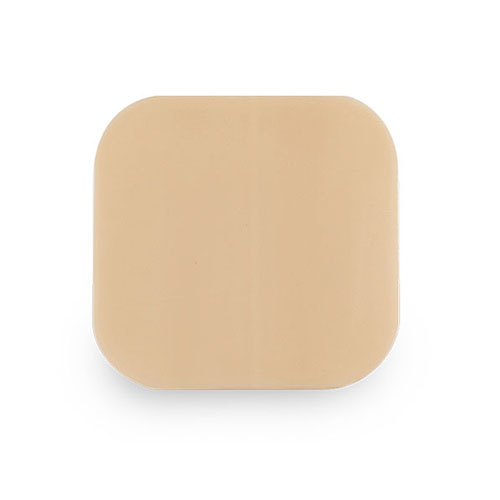
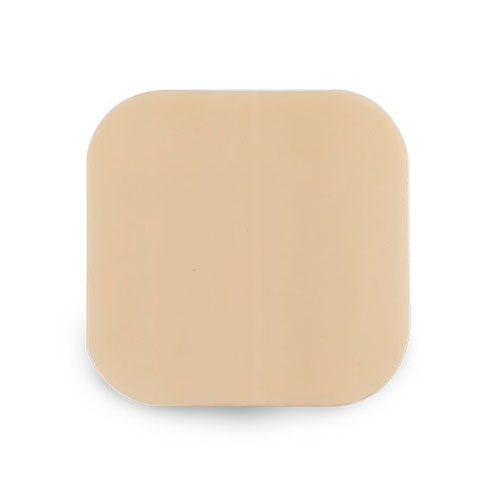
When it comes to wound care, one of the most frequently asked questions patients and caregivers alike face is: how long can you leave a silicone foam dressing on? The answer, while seemingly straightforward, carries profound implications for healing outcomes, infection risk, and overall patient comfort. A silicone foam dressing is widely regarded as one of the most versatile and effective wound management tools available today, offering a delicate balance between robust protection and gentle interaction with fragile tissue. Understanding the optimal wear time for a silicone foam dressing is not merely an academic exercise — it is a clinical imperative that directly influences recovery trajectories. This article dives deep into the science, the recommendations, and the practical realities of wearing a silicone foam dressing, equipping you with the knowledge to make informed decisions about your wound care journey.
The Standard Wear Time: Three to Seven Days
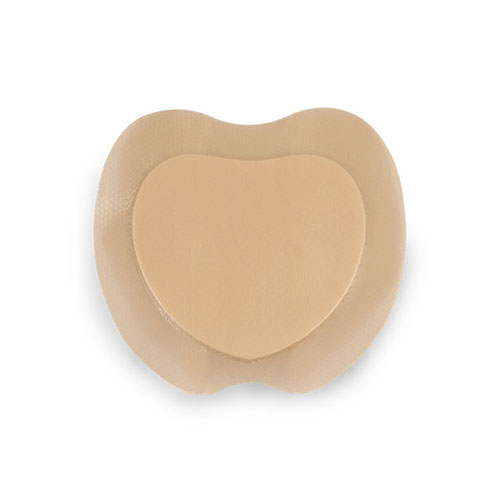
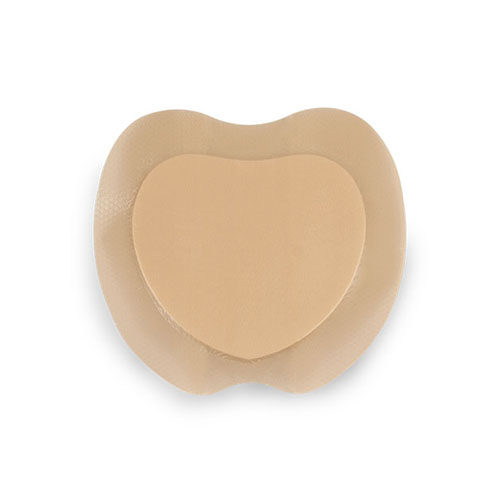
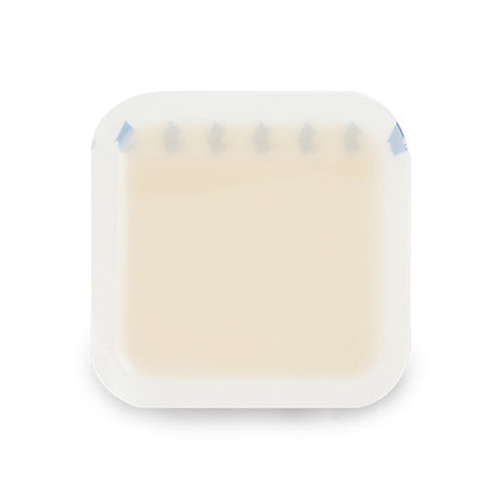
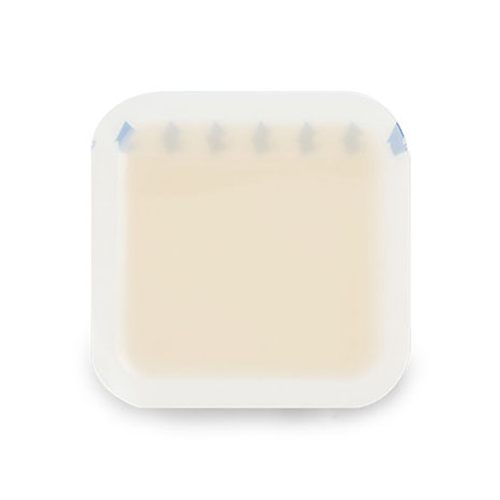
The consensus across clinical guidelines and manufacturer instructions is clear: a silicone foam dressing can remain in place for three to seven days. This window is not arbitrary. It is the product of extensive research into how wounds heal, how exudate accumulates, and how the materials in a silicone foam dressing interact with human tissue over time. Most foam dressings, including the widely used silicone foam dressing with border variants, are engineered to stay securely adhered for up to seven full days, provided the wound condition remains stable.
Why this range? The lower end — three days — applies to wounds producing heavy exudate, where the dressing's absorptive capacity may be exhausted sooner. The upper end — seven days — is achievable for wounds with light to moderate fluid output, where the silicone foam dressing continues to perform its protective function without saturation. The key takeaway is that a silicone foam dressing is designed for extended wear, and this is precisely what sets it apart from traditional gauze that demands daily changes.
Why Extended Wear Time Matters
Changing a dressing too frequently is not just inconvenient — it is actively harmful. Every time you peel back a dressing, you risk disrupting the delicate granulation tissue that is forming beneath it. Studies have consistently shown that maintaining a moist wound environment accelerates tissue regeneration, and a silicone foam dressing excels at preserving that moisture. The outer waterproof film of a silicone foam dressing shields the wound from external contaminants — dirt, water, bacteria — while remaining breathable enough to allow gas exchange. This dual functionality means that a silicone foam dressing creates an ideal microclimate for healing.
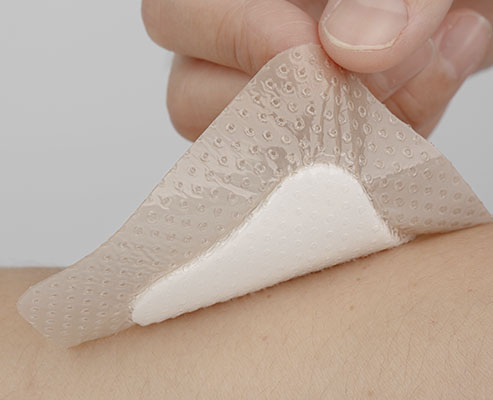
Furthermore, the silicone layer in a silicone foam dressing adheres gently to the skin without causing irritation. This is a game-changer for patients with sensitive skin, the elderly, and children. When it is time to remove a silicone foam dressing, the process is atraumatic — you simply lift a corner and peel slowly, and the dressing releases without stripping the skin. This painless removal is one of the most celebrated advantages of a silicone foam dressing, and it is only possible because the silicone adhesive is calibrated to hold firmly during wear but release cleanly upon removal.

Factors That Determine How Long a Silicone Foam Dressing Can Stay On
While the three-to-seven-day guideline is the standard, several factors can shift this timeline:
Exudate Level: Wounds producing moderate to heavy fluid may saturate the silicone foam dressing before the seven-day mark. If you notice fluid pooling around the edges or leaking through, the silicone foam dressing must be changed immediately, regardless of how many days have passed.
Wound Type: Surgical incisions, pressure ulcers, diabetic foot ulcers, and superficial burns all respond differently. A silicone foam dressing on a surgical wound with minimal drainage may comfortably last seven days, while the same silicone foam dressing on a heavily exuding diabetic ulcer may need changing every two to three days.
Signs of Complications: Redness, swelling, increased pain, odor, or skin maceration are red flags. If any of these appear, the silicone foam dressing is no longer doing its job, and a change is urgent.
Clinical Setting: In hospital environments, real-world data shows that silicone foam dressings are often changed every two to three days, even though they are indicated for up to seven days. Research suggests that extending wear time — changing only when 50 to 75 percent of the dressing's indicator is saturated — can reduce staff workload and supply costs without compromising outcomes.
The Evidence: What Research Tells Us
The clinical evidence supporting the extended wear of a silicone foam dressing is compelling. A meta-analysis of ten randomized controlled trials involving 4,817 patients found that silicone foam dressings reduced the risk of developing stage II or worse pressure injuries by nearly half (RR = 0.52, 95% CI: 0.27–0.99) compared to control groups. Another trial in critically ill patients demonstrated that multi-layer soft silicone foam dressings applied to heels and retained for the duration of ICU stays resulted in zero pressure ulcers developing in the intervention group, compared to 19 ulcers in the control group.
These findings underscore a critical point: a silicone foam dressing is not just a passive covering. It is an active therapeutic tool that redistributes pressure, absorbs shear forces (approximately 70 percent through its viscoelastic properties), and maintains a moisture vapor transmission rate exceeding 1,000 g/m²/24 hours. All of these mechanisms work best when the silicone foam dressing is left undisturbed for as long as clinically appropriate.
How to Apply and Remove a Silicone Foam Dressing Correctly
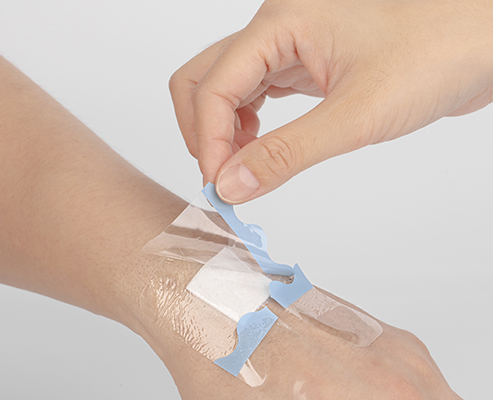
Proper application maximizes the wear time of a silicone foam dressing. Start by cleansing the wound and ensuring the peri-wound skin is completely dry. Select a silicone foam dressing that extends at least 1–2 cm beyond the wound edges for smaller wounds and 3–4 cm for larger ones. Remove the release film, apply the silicone foam dressing from the center outward, and press the edges firmly to ensure a secure seal.
When removal is due, gently lift a corner of the silicone foam dressing and peel slowly. If the silicone foam dressing has adhered to the wound bed, saturate it with sterile saline first. Never yank a silicone foam dressing off — the gentle silicone adhesive is designed for painless removal, but only when you respect the process.
Conclusion
In summary, a silicone foam dressing can be safely left on a wound for three to seven days, depending on exudate levels, wound type, and clinical judgment. The silicone foam dressing is engineered for extended wear, offering superior absorption, atraumatic removal, and infection protection that far outperforms traditional dressings. However, the silicone foam dressing must be monitored regularly, and any signs of leakage, saturation, redness, or swelling demand immediate replacement. The beauty of a silicone foam dressing lies in its ability to stay put while your body does the hard work of healing — fewer changes mean less pain, less disruption, and faster recovery. Always follow your healthcare provider's guidance, but trust that when used correctly, a silicone foam dressing is one of the most powerful allies you can have in your wound care arsenal. Choose a silicone foam dressing, wear it with confidence, and let the science of moist wound healing work in your favor.


Changzhou Major Medical Products Co., Ltd. was established in June 2005, focusing on the field of medical supplies for 17 years. It is a high-tech enterprise that is quality-oriented, engaged in the research and development, production and sales of advanced medical dressings.