






![[Exhibition Preview] Meijie Medical will meet you with new products at the 134th Canton Fair](http://www.czmajor.com/uploadfiles/128.1.164.27/webid2076/newsimg/202511/691d21b71c14b.jpg)

News Categories

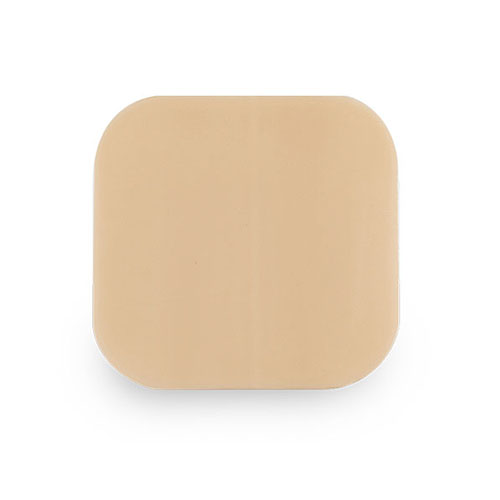
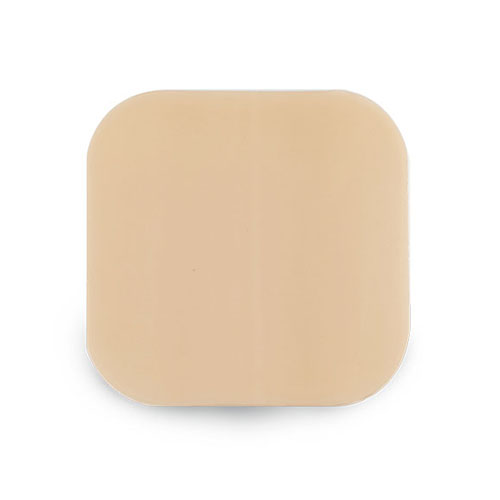
You should not use foam dressing on dry or necrotic wounds, wounds with low exudate, or wounds needing frequent inspection. These dressings work best for moist wounds. Advanced options, like those from Changzhou Major Medical Products Co., Ltd., offer versatility. Clinical studies reveal some limitations in foam dressing research:
Limitation | Description |
|---|---|
Small Cohort Size | Studies often involve few patients, which may affect reliability. |
Short Evaluation Period | Research usually covers a short time, limiting long-term outcome assessment. |
Lack of Comparator Dressings | No comparison with other dressings can affect the validity of findings. |
Avoid foam dressings on dry or necrotic wounds. These wounds need moisture to heal, and foam dressings can make them drier.
Do not use foam dressings for low exudate wounds. They can absorb too much moisture, delaying healing and harming healthy tissue.
Choose dressings that allow for easy inspection on infected wounds. Foam dressings can hinder frequent checks, which are important for monitoring healing.
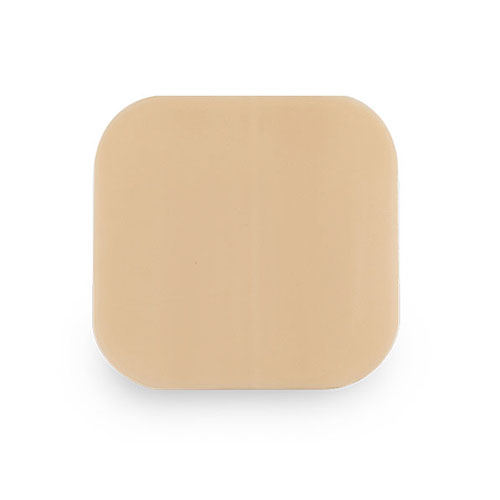
You should avoid using foam dressing on dry or necrotic wounds. These wounds lack moisture, which is necessary for healing. Medical literature often points out that foam dressings are not appropriate for wounds that are dry or have minimal exudate. Using a foam dressing in these cases can actually make the wound drier, which slows down the healing process. Necrotic wounds, which contain dead tissue or dry scabs, do not benefit from the absorption properties of foam dressings. Instead, these wounds need moisture to help remove dead tissue and promote new growth.
Note: Foam dressings work best when a wound produces enough fluid. If you use them on a dry wound, you risk making the tissue even more dehydrated.
The table below shows why foam dressings are not suitable for these wound types:
Condition | Reason for Avoiding Foam Dressings |
|---|---|
Dry or minimally exuding wounds | Foam dressings may not provide adequate moisture balance. |
Hard necrotic tissue or dry scabs | Foam dressings are ineffective in promoting healing in these cases. |
Wounds requiring active debridement | Foam dressings can hinder the necessary removal of dead tissue. |
You should also avoid foam dressing for wounds with low exudate. These wounds do not produce much fluid. Foam dressings are designed to absorb moisture, so using them on a wound with little to no exudate can cause the wound to dry out. This can delay healing and may even damage healthy tissue around the wound. Medical experts agree that foam dressings are best for wounds with moderate to heavy drainage, not for wounds that stay mostly dry.
High-absorbency foam dressings are made for wounds with a lot of drainage, such as pressure ulcers or surgical wounds.
If you use them on a wound with low exudate, you remove too much moisture, which is not helpful for healing.
You should not use foam dressing on infected wounds that require frequent inspection. Some foam dressings, including advanced types with antimicrobial properties, can help manage infected wounds. However, these dressings often stay in place for several days. If you need to check the wound often, removing and replacing the foam dressing can disturb the healing process and increase discomfort. In these cases, a dressing that allows for easy and frequent inspection works better.
Tip: Always choose a dressing that matches the needs of the wound. If you need to check the wound often, pick a dressing that is easy to remove and replace.
You should always check for allergies before using a foam dressing. Some people have allergic reactions to the materials in these dressings. Signs of an allergy may include redness, itching, swelling, or a rash around the wound. If you notice any of these symptoms, you need to stop using the dressing right away. Allergic reactions can slow down healing and make the wound worse. You should talk to your healthcare provider if you think you have an allergy to any part of the dressing. They can help you find a safer option for your skin.
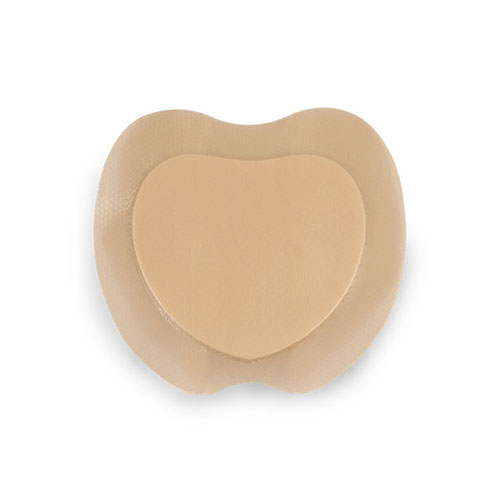
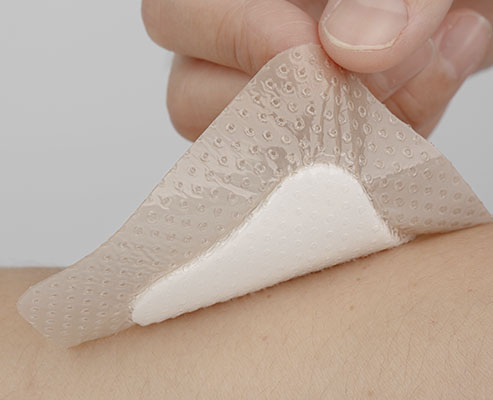
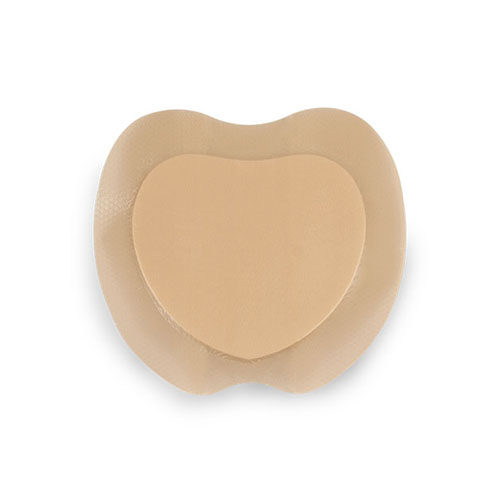
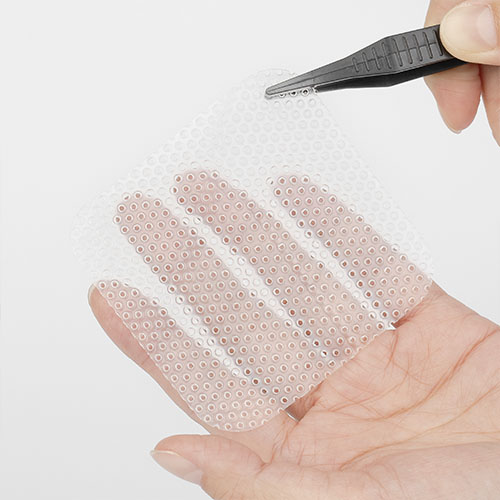
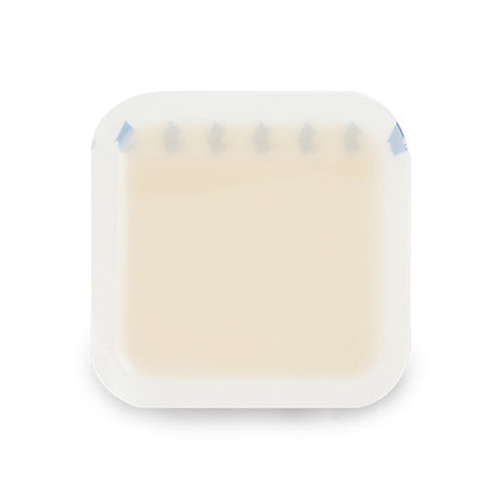
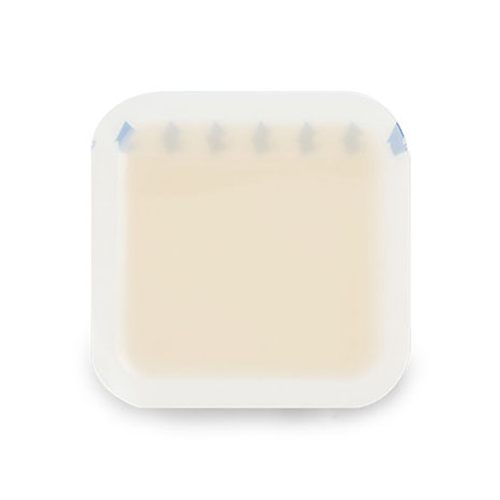
If you have sensitive or fragile skin, you must choose your wound care products carefully. Some foam dressings use a soft silicone adhesive border. This border protects delicate skin by sticking gently and allowing you to remove the dressing without pain or damage. The table below shows how this feature helps:
Feature | Benefit for Sensitive Skin |
|---|---|
Soft silicone adhesive border | Gentle adhesion and easy removal, less irritation |
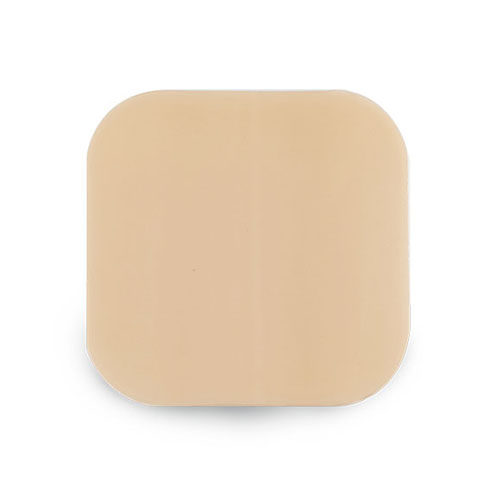
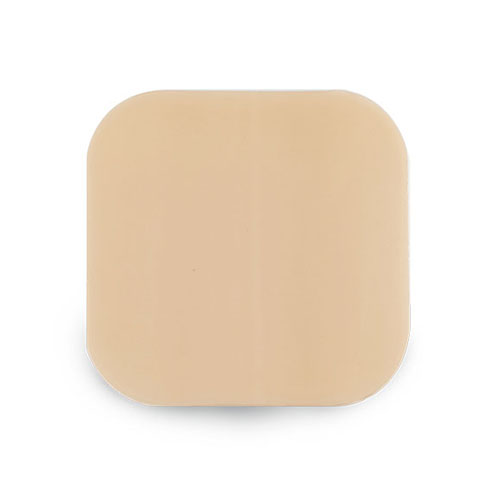
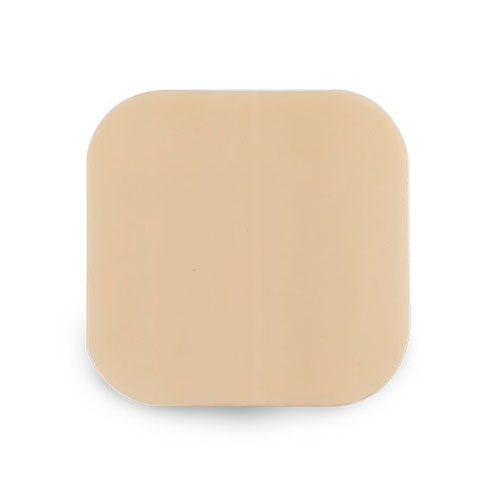
You may also want to use non-adhesive foam dressings. These dressings do not stick to your skin, so they help prevent skin stripping and make dressing changes less painful. This is especially important for elderly patients or anyone who needs frequent dressing changes. Here are some reasons why non-adhesive dressings work well for fragile skin:
They protect healing skin and the area around the wound.
They are ideal for people with aging or sensitive skin.
They reduce the risk of irritation during dressing changes.
If you have fragile skin, always talk to your healthcare provider about the best dressing for your needs.
You may think that every foam dressing helps wounds heal faster, but this is not always true. Sometimes, using the wrong dressing can slow down the healing process. If you use a foam dressing on a wound that does not have much fluid, it can pull out too much moisture. This makes the wound dry and can stop new tissue from growing. Here are some reasons why delayed healing can happen:
Foam dressings can absorb too much moisture from wounds with little exudate, causing the wound to dry out.
If a dressing leaks, lifts, or becomes dirty, you should change it right away. Leaving it on can let bacteria grow and slow healing.
Many foam dressings do not adjust how much they absorb. This means they might dry out wounds that need more moisture.
Tip: Always check your wound and dressing often. If you see dryness or the dressing looks dirty, talk to your healthcare provider.
You want to keep your wound clean and free from infection. Foam dressings can help with this, especially for wounds that have a lot of fluid. However, no dressing can remove all risk. The table below shows how foam dressings compare to other types when it comes to infection rates:
Dressing Type | Infection Rate | Notes |
|---|---|---|
Foam Dressings | Lower | Work well for wounds with lots of exudate |
Hydrogels | Higher | Can cause too much moisture and infection |
If you use the right dressing for your wound, you lower the chance of infection. Always follow your healthcare provider’s advice to keep your wound safe.
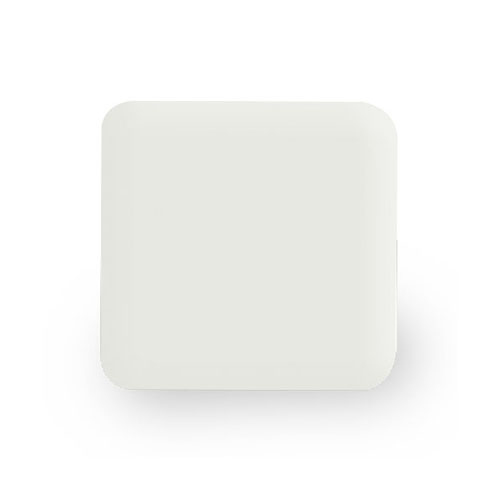
You need to add moisture to dry or necrotic wounds. Hydrogels work well because they are water- or glycerin-based and help soften dead tissue. Hydrocolloids also help by forming a moist gel when they touch wound fluid. Both options support healing by keeping the wound moist and protecting it from outside germs.
Hydrogels: Add moisture and soften dry tissue.
Hydrocolloids: Keep wounds moist and protect them.
If your wound does not produce much fluid, hydrocolloid dressings are a good choice. They keep the wound moist without absorbing too much. This helps prevent the wound from drying out. Hydrocolloids also reduce how often you need to change the dressing, which can make healing easier.
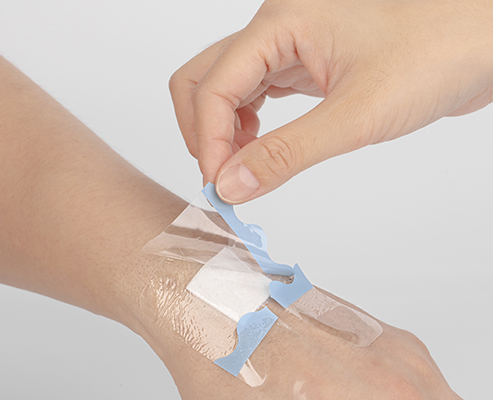
When you need to check an infected wound often, transparent film dressings are helpful. You can see the wound without removing the dressing. This makes it easier to watch for changes and keep the area clean. Hydrocolloids are not the best choice here because you cannot see through them.
Transparent film dressings: Allow easy inspection and help keep the wound clean.
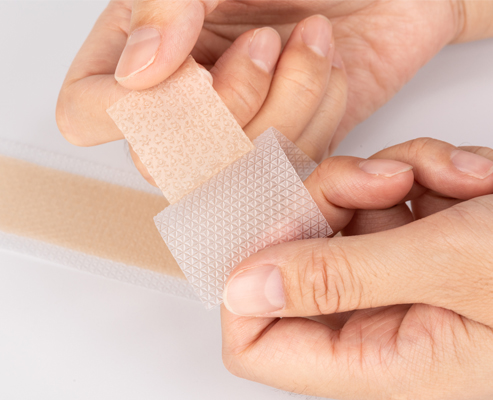
If you have allergies or sensitive skin, you should look for dressings that are gentle. Non-adhesive foam and silicone foam dressings are both good options. Silicone foam dressings have a soft adhesive that sticks to your skin but not to the wound, making removal less painful. Changzhou Major Medical Products Co., Ltd. offers a range of dressing types, so you can find one that fits your needs.
Dressing Type | Description | Ideal For |
|---|---|---|
Non-adhesive Foam | Absorbs fluid, does not stick to the wound. Needs extra support. | Sensitive skin, joint areas |
Silicone Foam | Gentle adhesive, easy removal, waterproof and breathable. | Fragile skin, elderly, frequent changes |
Tip: Always match the dressing to your wound type and skin needs for the best healing.
You should avoid foam dressing for dry, necrotic, or low-exudate wounds. Always match the dressing to your wound and comfort. Wound care experts highlight these points:
Choose dressings based on wound depth and moisture.
Maintain a clean wound area.
Monitor for infection.
Advanced silicone foam dressings offer versatility, but every dressing has limits. Consult your healthcare provider for the best results.
You should avoid foam dressings on dry, necrotic, or low-exudate wounds. These dressings work best for moist wounds with moderate to heavy drainage.
You can use hydrogels or hydrocolloid dressings. These options add moisture and help your wound heal faster.
Dressing Type | Skin Friendliness |
|---|---|
Silicone Foam | High |
Non-Adhesive Foam | High |
Regular Foam | Moderate |
You should choose silicone or non-adhesive foam for sensitive skin.


Changzhou Major Medical Products Co., Ltd. was established in June 2005, focusing on the field of medical supplies for 17 years. It is a high-tech enterprise that is quality-oriented, engaged in the research and development, production and sales of advanced medical dressings.