






![[Exhibition Preview] Meijie Medical will meet you with new products at the 134th Canton Fair](http://www.czmajor.com/uploadfiles/128.1.164.27/webid2076/newsimg/202511/691d21b71c14b.jpg)

News Categories

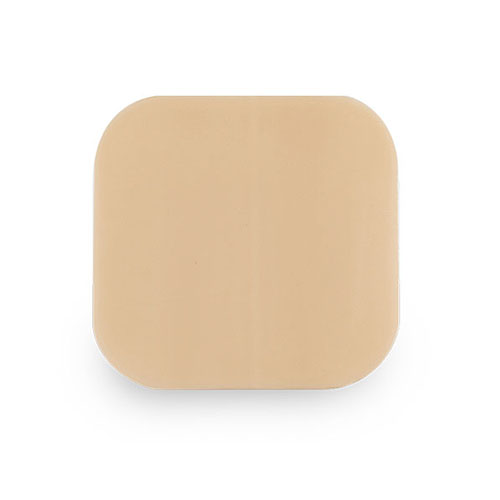
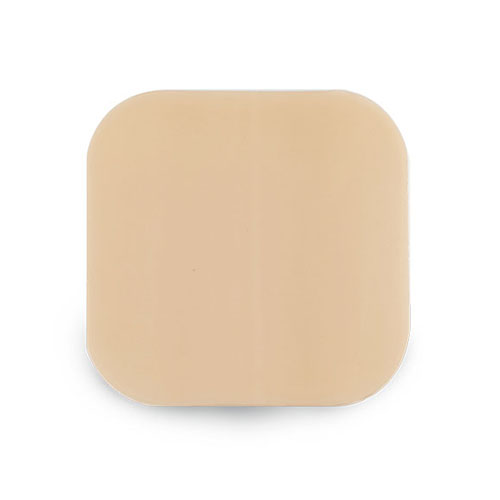
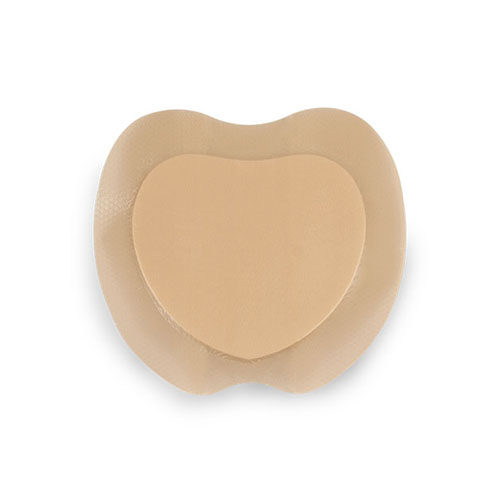
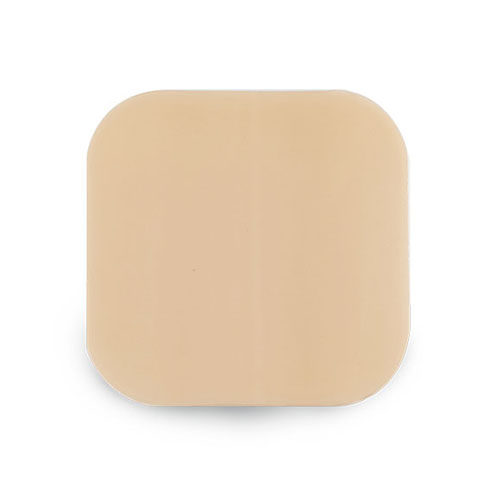
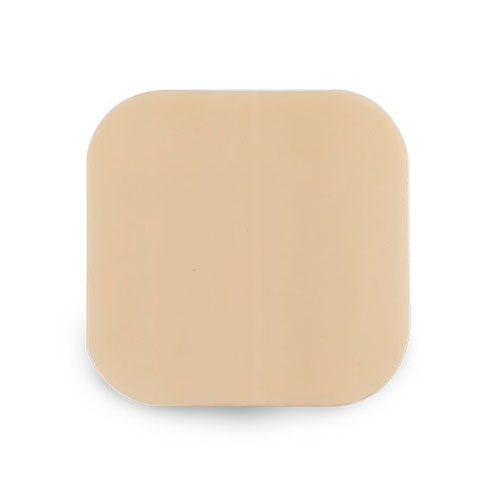
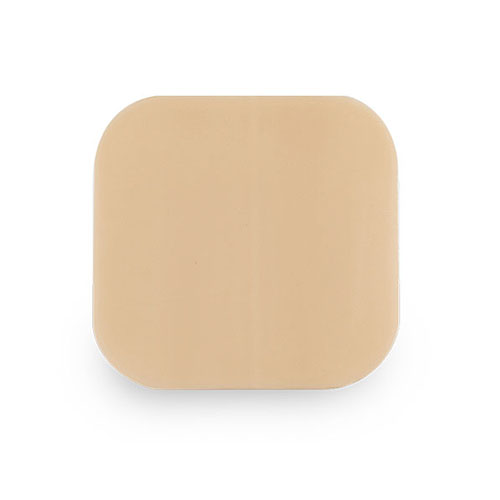
Foam dressings have emerged as a versatile and effective solution in modern wound care, offering unique benefits for managing various types of injuries. Composed of hydrophilic polyurethane materials, these dressings create a moist environment that promotes healing while absorbing excess exudate. Their adaptability makes them suitable for a wide range of wounds, but understanding their optimal applications is key to maximizing their therapeutic potential. This article explores the scenarios where foam dressings excel, their advantages over alternative options, and practical considerations for their use.
1.Moderate to Heavy Exudate Wounds
One of the primary indications for foam dressings is their ability to manage wounds with moderate to heavy exudate. Unlike traditional gauze, which may become saturated and adhere to the wound bed, foam dressings feature a highly absorbent core that traps fluid while maintaining a moist interface. This property is particularly beneficial for conditions such as venous leg ulcers, pressure ulcers, and diabetic foot ulcers, where excessive drainage can delay healing or lead to maceration of surrounding skin. By wicking away moisture, foam dressings reduce the risk of bacterial contamination and support the body’s natural repair processes.
2.Partial-Thickness Wounds
Foam dressings are also ideal for partial-thickness wounds, including superficial burns, abrasions, and skin tears. Their soft, non-adherent surface minimizes trauma during dressing changes, which is crucial for sensitive or fragile skin. Additionally, the moist environment created by foam dressings facilitates epithelialization—the process of new skin cell formation—while protecting the wound from external contaminants. For patients with compromised skin integrity, such as the elderly or those on corticosteroids, foam dressings provide a gentle yet effective barrier against infection.
3.Wounds with Irregular Depths or Contours
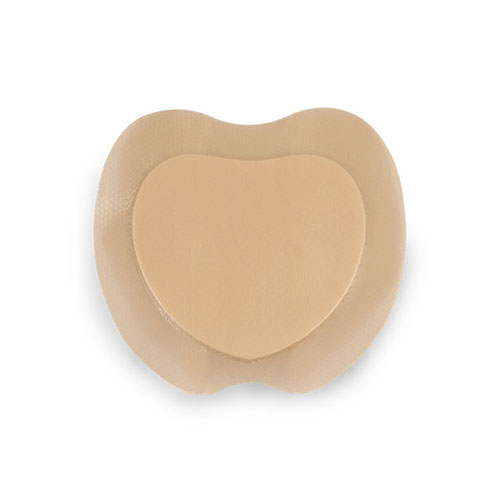
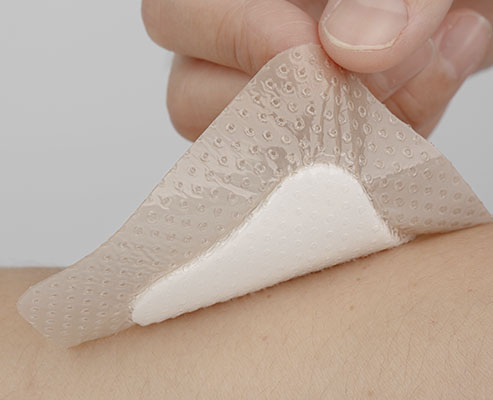
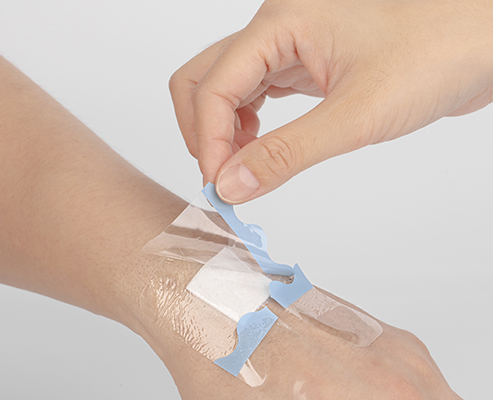
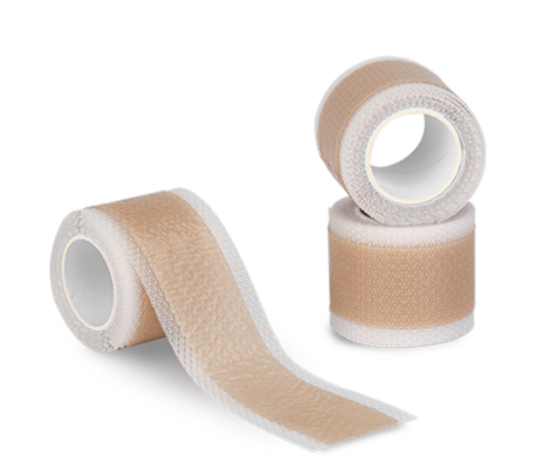
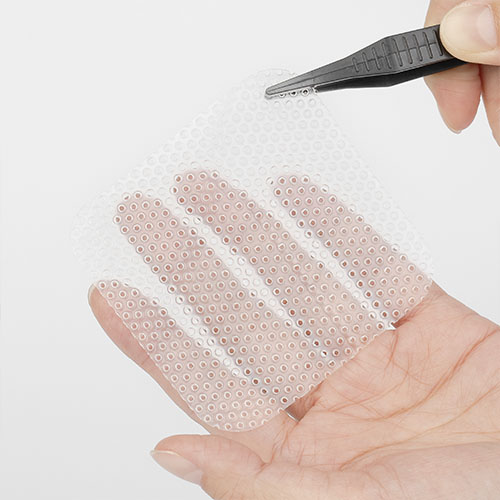
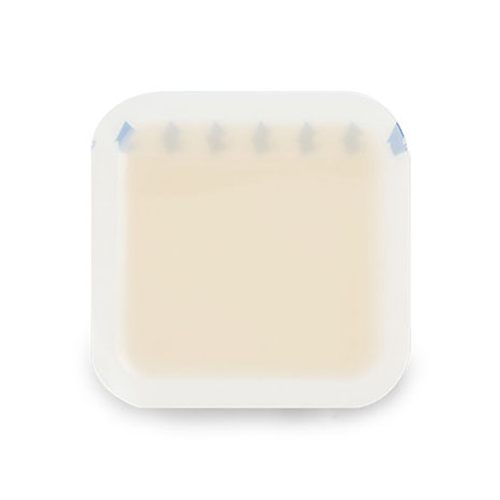
The flexibility of foam dressings makes them well-suited for wounds with uneven surfaces or deep cavities. Unlike rigid dressings, foam can conform to the shape of the wound, ensuring full contact with the bed and edges. This adaptability is especially valuable for surgical incisions, tunneling wounds, or areas subject to movement, such as joints. Some foam dressings are also available with adhesive borders or silicone layers, which enhance adherence to the skin without causing damage upon removal.
4.Prevention of Pressure Injuries
In preventive care, foam dressings play a role in reducing the risk of pressure ulcers in high-risk populations, such as bedridden patients or those with limited mobility. When applied to bony prominences like heels, sacrum, or elbows, foam dressings distribute pressure more evenly and absorb shear forces that contribute to tissue breakdown. Their cushioning effect complements other preventive measures, such as repositioning schedules and specialized mattresses.
5.Combination Therapy with Advanced Wound Products
Foam dressings are often used in conjunction with other wound care modalities, such as antimicrobial agents, growth factors, or negative pressure wound therapy (NPWT). For example, a foam dressing infused with silver or honey can provide both absorption and antibacterial action, making it suitable for infected wounds. Similarly, foam interfaces are frequently employed in NPWT systems to manage exudate while maintaining a seal around the wound.
Conclusion
Foam dressings are a cornerstone of contemporary wound management due to their versatility, absorbency, and patient-friendly design. Whether addressing heavy exudate, partial-thickness injuries, irregular wounds, or pressure injury prevention, foam dressings offer a reliable solution that balances moisture control with protection. Their compatibility with adjunctive therapies further expands their utility in complex cases. By selecting foam dressings based on wound characteristics and patient needs, clinicians can optimize healing outcomes while minimizing discomfort and complications. As research continues to refine their composition and applications, foam dressings will remain an indispensable tool in promoting skin integrity and recovery across diverse clinical settings.


Changzhou Major Medical Products Co., Ltd. was established in June 2005, focusing on the field of medical supplies for 17 years. It is a high-tech enterprise that is quality-oriented, engaged in the research and development, production and sales of advanced medical dressings.