





![[Exhibition Preview] Meijie Medical will meet you with new products at the 134th Canton Fair](http://www.czmajor.com/uploadfiles/128.1.164.27/webid2076/newsimg/202511/691d21b71c14b.jpg)

News Categories

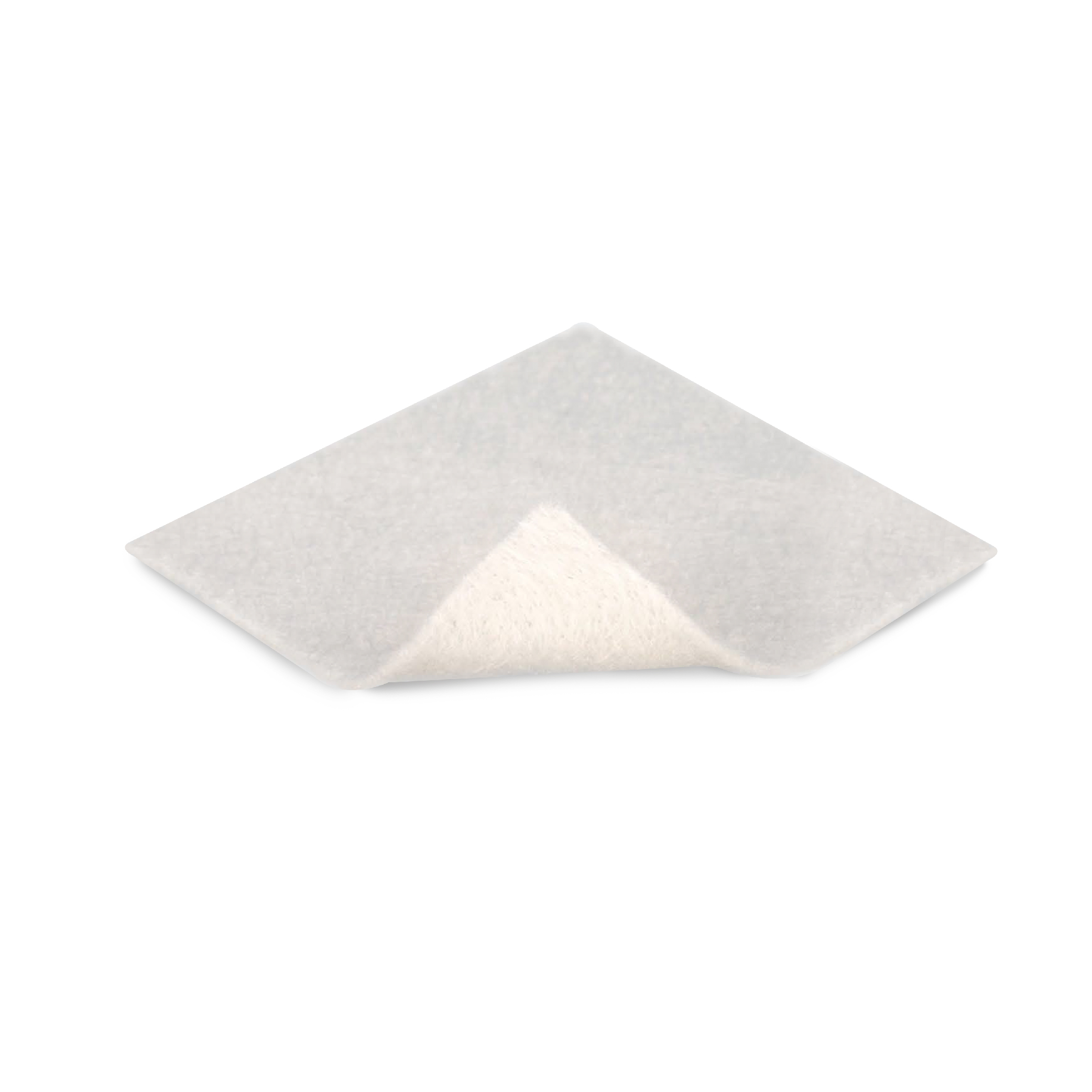
Alginate dressings, derived from marine brown algae, have become indispensable in modern wound care due to their high absorbency, biodegradability, and ability to maintain a moist healing environment. These dressings absorb wound exudate and transform into a gel-like matrix, which supports autolytic debridement and minimizes bacterial contamination. However, the frequency of dressing changes remains a critical question for clinicians and patients alike. This article explores the factors influencing replacement intervals and provides evidence-based recommendations for optimal use.
1.Core Mechanism and Absorption Capacity
Alginate dressings operate through ion exchange: calcium ions in the dressing interact with sodium ions in wound exudate, forming a soluble gel. This process allows them to absorb 10–30 times their weight in fluid, depending on the formulation. For example, a study comparing four brands (Algosteril, Comfeel Alginate, Kaltostat, Sorbsan) found Sorbsan absorbed 20% more exudate than others but had higher lateral leakage. Such variations underscore the need for tailored approaches to replacement frequency.
2.Clinical Indicators for Dressing Changes
a. Exudate Level and Dressing Saturation
The primary determinant of replacement timing is the dressing’s saturation state. For moderate-to-heavy exuding wounds (e.g., venous leg ulcers, diabetic foot ulcers), changes are typically required every 1–3 days. A dressing that has fully gelled and shows visible exudate penetration to the secondary layer must be replaced immediately to prevent maceration of surrounding skin. Conversely, low-exuding wounds (e.g., superficial abrasions) may retain the dressing for up to 7 days, provided no signs of infection or deterioration occur.
b. Infection Status
Infected wounds demand more frequent changes to control bacterial load. A silver-alginate composite dressing, which combines antimicrobial silver particles with alginate’s absorbency, is effective against pathogens like Staphylococcus aureus and Pseudomonas aeruginosa. However, even with antimicrobial properties, infected wounds require daily assessment and changes every 12–24 hours during acute phases, transitioning to longer intervals as infection resolves.
c. Wound Type and Location
Cavity wounds (e.g., surgical dehiscence, pressure ulcers with tunneling): Use alginate rope fillers, which should be replaced every 1–2 days due to their tendency to fragment upon saturation.
Epithelializing wounds: Alginate dressings are preferable to cellulose-based alternatives as they adhere less painfully during removal. Changes every 3–5 days suffice here.
Burns and donor sites: Alginate-honey composites (e.g., Manuka honey-alginate dressings) leverage honey’s anti-inflammatory properties. These may be left in place for 3–7 days, depending on exudate volume.

3.Practical Considerations and Pitfalls
a. Avoiding Over-Saturation
Overfilled dressings can expand and compress wound margins, impairing circulation. For example, in PICC line hemorrhage management, alginate dressings reduced bleeding episodes by 40% compared to gauze, but only when replaced every 12 hours to prevent clotting disruption.
b. Minimizing Residual Fibers
Alginate’s biodegradability is an advantage, but incomplete removal may trigger foreign-body reactions. A rare case reported granulomatous inflammation 7 months post-use due to retained fibers. To mitigate this:
Rinse wounds with saline after removal.
Use oil-impregnated gauze to wrap alginate ropes in cavities.
Avoid packing the sinus tract too tightly to prevent gel fragmentation.
c. Patient Comfort and Compliance
Alginate dressings are less painful to remove than traditional options, but frequent changes can still cause anxiety. Educating patients on signs of saturation (e.g., odor, leakage) empowers them to seek timely replacements. For pediatric or geriatric populations, extended-wear formulations (e.g., 7-day alginate-foam composites) may improve adherence.
Conclusion
The optimal frequency for changing alginate dressings hinges on a dynamic interplay of exudate volume, infection risk, wound anatomy, and patient factors. While general guidelines suggest 1–3 days for heavy exudate and 3–7 days for low exudate, clinicians must individualize protocols through regular wound assessment. By leveraging alginate dressing’s unique gel-forming properties and combining them with antimicrobial agents or honey for specific scenarios, practitioners can balance efficacy with cost-effectiveness. Ultimately, the versatility of alginate dressings—from hemorrhage control to cavity packing—cements their role as a cornerstone of advanced wound care, provided their replacement is guided by evidence and adapted to clinical realities.


Changzhou Major Medical Products Co., Ltd. was established in June 2005, focusing on the field of medical supplies for 17 years. It is a high-tech enterprise that is quality-oriented, engaged in the research and development, production and sales of advanced medical dressings.