





![[Exhibition Preview] Meijie Medical will meet you with new products at the 134th Canton Fair](http://www.czmajor.com/uploadfiles/128.1.164.27/webid2076/newsimg/202511/691d21b71c14b.jpg)

News Categories

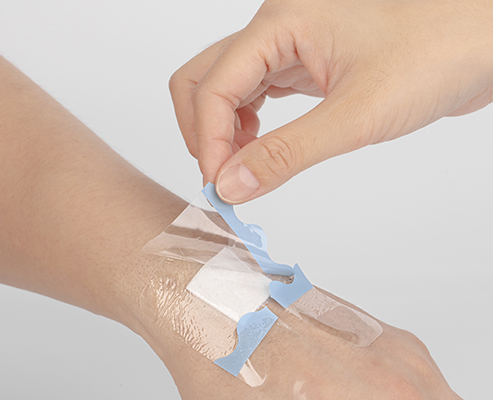
Peripheral intravenous (IV) catheters are indispensable tools in modern healthcare, facilitating the administration of medications, fluids, and blood products. However, their use is associated with risks such as infection, phlebitis, and dislodgement, which can be mitigated through proper dressing management. The frequency of peripheral IV dressing changes remains a subject of debate, with guidelines evolving alongside emerging evidence. This article synthesizes current research and expert consensus to provide a practical framework for optimizing IV dressing protocols.
Current Guidelines and Recommendations
The Infusion Nurses Society (INS) and the Centers for Disease Control and Prevention (CDC) emphasize that IV dressing changes should prioritize patient safety while minimizing unnecessary interventions. According to the INS 2021 guidelines, transparent semipermeable dressings should be replaced every 5 to 7 days or sooner if the dressing becomes damp, loosened, or contaminated. This recommendation aligns with studies demonstrating that extended dressing intervals (e.g., 7 days) do not increase infection rates compared to shorter intervals (e.g., 3 days), provided dressings remain intact. For example, a 2012 study involving 307 neonates with peripherally inserted central catheters (PICCs) found no significant difference in catheter-related bloodstream infection (CRBSI) rates between 3-day, 5-day, and 7-day dressing change groups, supporting the safety of longer intervals in stable patients.
Factors Influencing Dressing Change Frequency
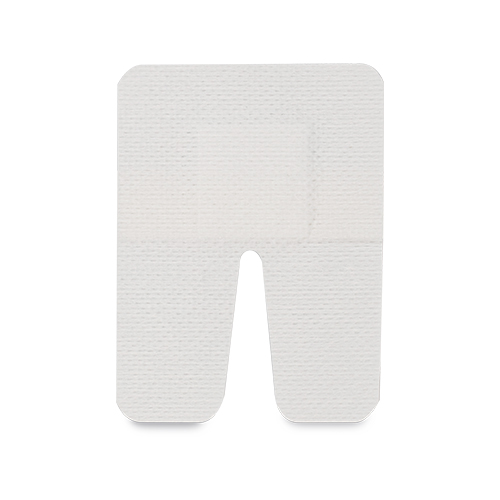
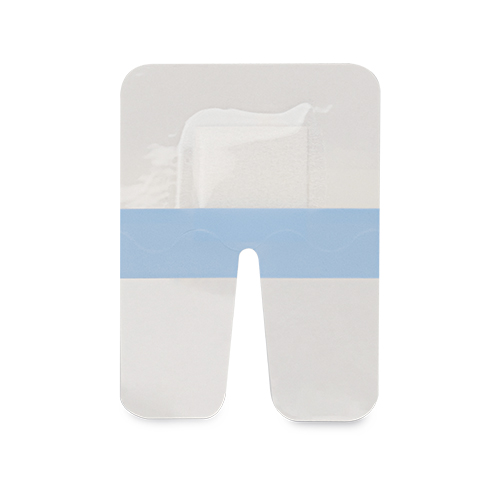
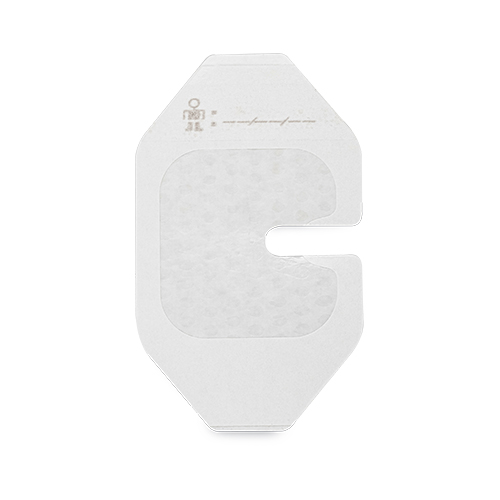
1.Dressing Type:Transparent dressings, such as those containing chlorhexidine gluconate (CHG), offer sustained antimicrobial protection and are preferred for their visibility and breathability. The 3M™ Tegaderm™ CHG dressing, cleared by the FDA to reduce CRBSI, maintains efficacy for up to 7 days. In contrast, gauze dressings require more frequent changes (every 48–72 hours) due to their higher absorption capacity and susceptibility to moisture retention, which increases bacterial colonization risk.
2.Patient Condition:Critically ill patients, those with compromised immune systems, or those receiving high-risk medications (e.g., chemotherapy) may benefit from more frequent assessments, though not necessarily more frequent dressing changes. For instance, a 2025 evidence-based practice project in a regional medical center reduced phlebitis rates from 21.9% to below 5% by implementing daily IV site inspections and adhering to a 7-day dressing protocol.
3.Clinical Setting:Neonates and pediatric patients often require tailored approaches. A 2023 guideline for neonatal PICC care recommends 7-day dressing changes unless complications arise, citing lower infection rates and reduced procedural distress. Conversely, adult patients in high-acuity units may necessitate closer monitoring due to frequent mobility or vascular fragility.

Risks of Over- or Under-Changing Dressings
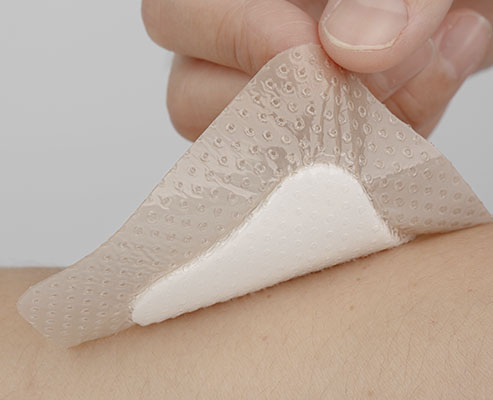
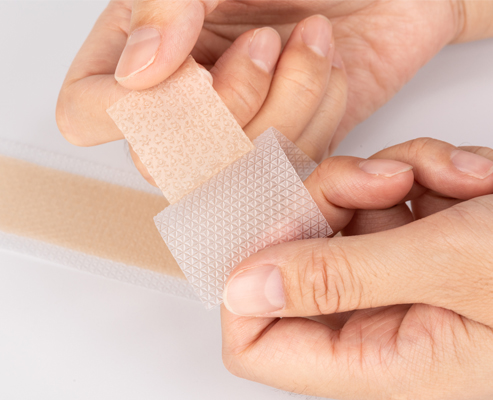
Excessive dressing changes increase the risk of catheter dislodgement, skin trauma, and healthcare-associated infections (HAIs). A 1997 study comparing gauze and adhesive bandage dressings found that adhesive bandages reduced phlebitis rates from 16.7% to 14.9%, likely due to fewer site manipulations. Conversely, delayed changes in damp or contaminated dressings can lead to CRBSI, which carries a mortality rate of up to 25% in critically ill patients. The key lies in balancing infection prevention with catheter stability, as emphasized by the INS’s definition of an “engineered stabilization device” (ESD)—a dressing that securely holds catheters in place while allowing visual inspection.
Conclusion
The optimal frequency for changing peripheral IV dressings hinges on a nuanced understanding of dressing type, patient risk factors, and clinical context. Evidence supports extending intervals to 5–7 days for transparent, intact IV dressings in stable patients, provided daily site assessments are performed. This approach reduces HAIs, minimizes catheter disruptions, and aligns with guidelines from the INS and CDC. However, clinicians must remain vigilant for signs of infection, moisture, or dislodgement, adjusting protocols as needed. By integrating evidence-based practices with individualized care, healthcare providers can enhance patient outcomes while optimizing resource utilization. Ultimately, the goal is to ensure that every IV dressing change is a deliberate, data-driven intervention—not a routine task—thereby safeguarding both catheter integrity and patient well-being.


Changzhou Major Medical Products Co., Ltd. was established in June 2005, focusing on the field of medical supplies for 17 years. It is a high-tech enterprise that is quality-oriented, engaged in the research and development, production and sales of advanced medical dressings.