






![[Exhibition Preview] Meijie Medical will meet you with new products at the 134th Canton Fair](http://www.czmajor.com/uploadfiles/128.1.164.27/webid2076/newsimg/202511/691d21b71c14b.jpg)

News Categories

In the realm of wound care, selecting the appropriate dressing is of paramount importance for promoting optimal healing, preventing infections, and enhancing patient comfort. With a wide array of wound dressings available in the market, two commonly used types are foam dressings and alginate dressings. Each has its unique characteristics, advantages, and applications. Understanding the differences between foam dressing and alginate dressing is crucial for healthcare professionals to make informed decisions when treating various types of wounds. This article aims to delve into the definitions, features, and distinctions of these two types of dressings, as well as provide insights into their selection.
What is a Foam Dressing?
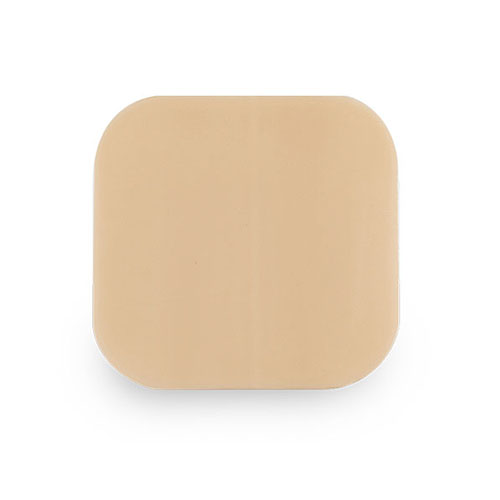
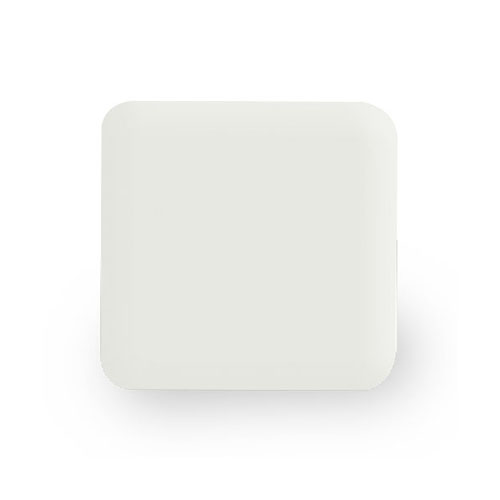
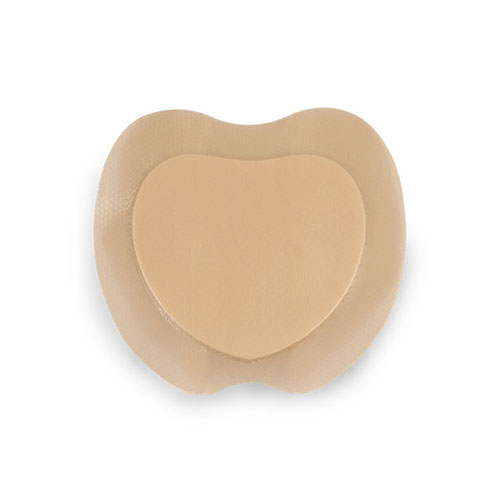
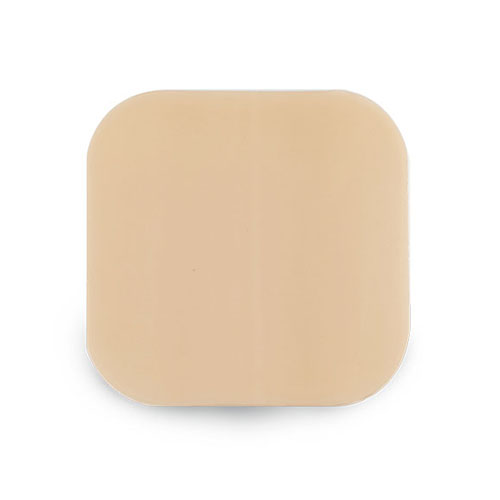
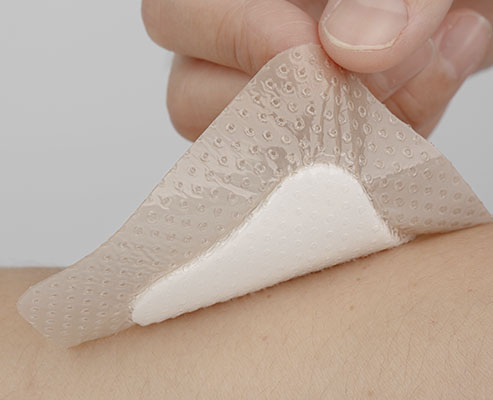
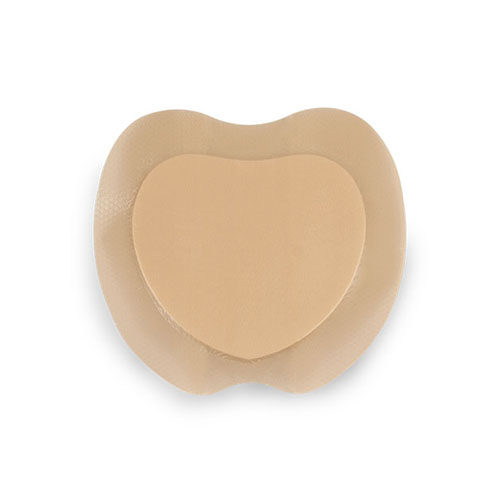
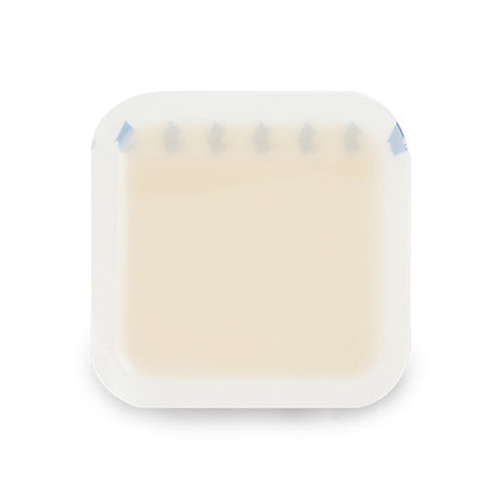
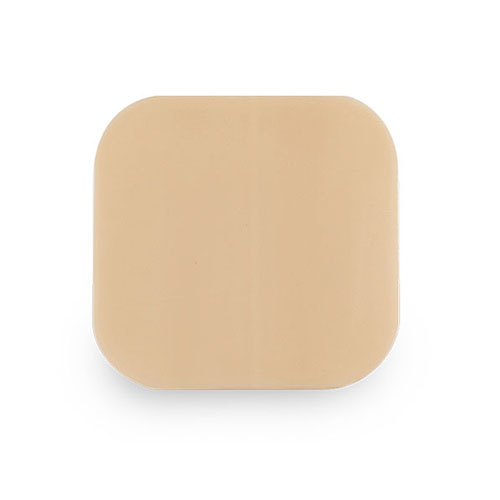
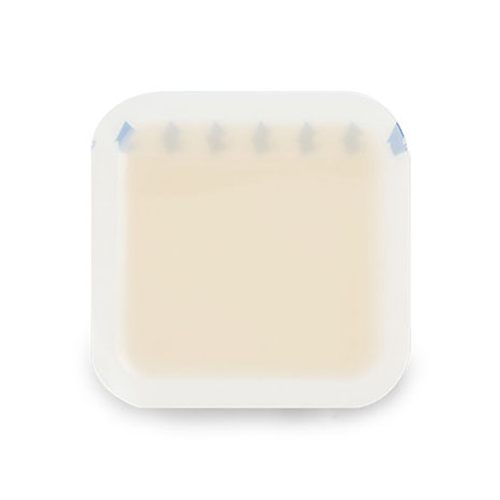
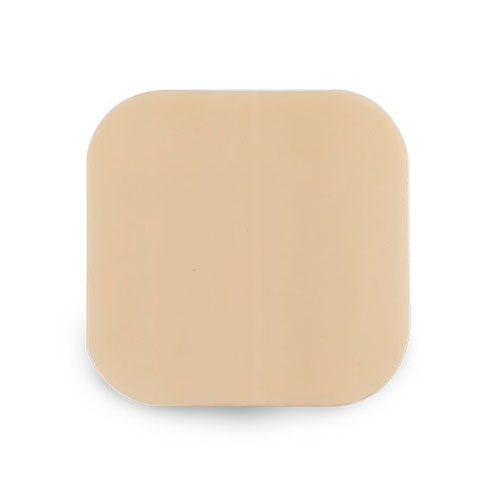
Foam dressings are a type of modern wound care product that consists of a hydrophilic polyurethane foam layer. This foam layer is designed to absorb and retain exudate, which is the fluid that oozes from a wound. The outer surface of the foam dressing is often covered with a semi-permeable film or a non-adherent layer. The semi-permeable film allows for the exchange of gases, such as oxygen and water vapor, while preventing the entry of bacteria and other contaminants. The non-adherent layer, on the other hand, reduces the risk of the dressing sticking to the wound bed, minimizing trauma during dressing changes.
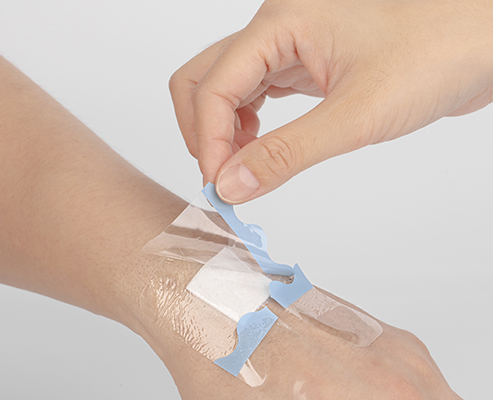
One of the key features of foam dressings is their high absorbency. They can handle a significant amount of exudate, making them suitable for wounds with moderate to heavy drainage. This absorbency helps to keep the wound bed moist, which is essential for cell migration and proliferation during the healing process. Additionally, foam dressings provide a cushioning effect, protecting the wound from external pressure and friction. They are also relatively easy to apply and remove, and can be cut to fit the shape of the wound, ensuring a proper fit and optimal coverage.

What is an Alginate Dressing?
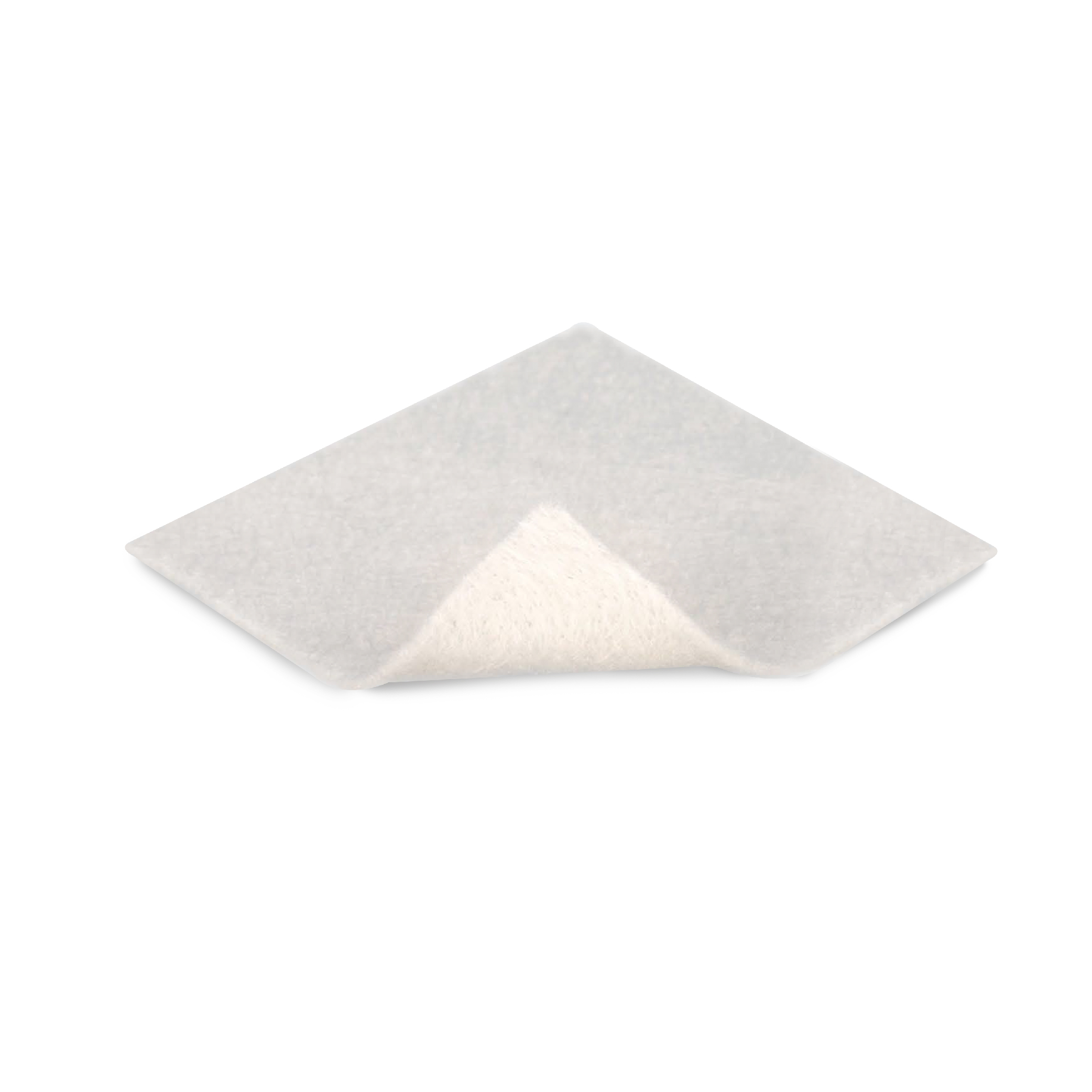
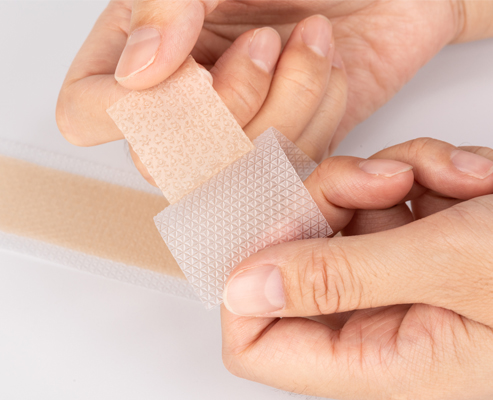
Alginate dressings are made from natural seaweed fibers, specifically from brown algae. These fibers are processed to form a soft, non-woven pad or rope. When in contact with wound exudate, alginate dressings react to form a gel-like substance. This gelation process is due to the exchange of calcium ions in the dressing with sodium ions in the exudate. The resulting gel helps to create a moist wound environment, which is conducive to healing.
Alginate dressings are highly absorbent and can absorb a large volume of exudate relative to their size. They are particularly effective for wounds with heavy drainage, such as deep cavity wounds, pressure ulcers, and diabetic foot ulcers. The gel formed by the alginate dressing also has hemostatic properties, meaning it can help to control minor bleeding in the wound. Moreover, alginate dressings are biodegradable, which means they can be left in the wound for an extended period and will gradually break down as the wound heals, reducing the frequency of dressing changes.
The Differences between Foam Dressing and Alginate Dressing
1.Material Composition
The most fundamental difference between foam dressing and alginate dressing lies in their material composition. Foam dressings are made of synthetic polyurethane foam, while alginate dressings are derived from natural seaweed fibers. This difference in material origin gives rise to variations in their physical and chemical properties.
2.Absorption Mechanism and Capacity
Although both types of dressings are highly absorbent, their absorption mechanisms differ. Foam dressings absorb exudate through the porous structure of the polyurethane foam, retaining the fluid within the foam matrix. Alginate dressings, on the other hand, undergo a chemical reaction with the exudate to form a gel, which locks in the fluid. In terms of absorption capacity, alginate dressings generally have a higher absorbency per unit area compared to foam dressings, especially for wounds with very heavy drainage.
3.Wound Environment Creation
Foam dressings create a moist wound environment by absorbing excess exudate while allowing some moisture to remain in contact with the wound bed. Alginate dressings, through the gel formation process, also create a moist environment, but the gel can provide a more consistent and long-lasting moist condition, which may be beneficial for certain types of wounds.
4.Hemostatic Properties
Alginate dressings have inherent hemostatic properties due to the presence of calcium ions in the seaweed fibers. When they come into contact with blood, the calcium ions interact with the blood components to promote clotting. Foam dressings, in general, do not have significant hemostatic effects.
5.Dressing Change Frequency
The frequency of dressing changes can vary between foam dressing and alginate dressing. Foam dressings may need to be changed more frequently for wounds with very heavy drainage, as they can become saturated relatively quickly. Alginate dressings, with their high absorbency and the ability to form a gel, can often remain in place for a longer period, reducing the number of dressing changes required.

Which One is More Worth Choosing?
The choice between foam dressing and alginate dressing depends on several factors related to the wound characteristics and the patient's needs. For wounds with moderate drainage, foam dressings may be a suitable option as they can effectively manage the exudate while providing cushioning and protection. They are also easy to handle and can be used for a variety of wound types, including superficial wounds, abrasions, and minor burns.
On the other hand, for wounds with heavy drainage, deep cavity wounds, or wounds with minor bleeding, alginate dressings may be more appropriate. Their high absorbency, hemostatic properties, and ability to create a consistent moist environment make them ideal for these challenging wound situations. Additionally, if reducing the frequency of dressing changes is a priority, alginate dressings may be a better choice due to their longer wear time.
Conclusion
Foam dressing and alginate dressing are two valuable types of wound dressings with distinct characteristics. Foam dressings, made of synthetic polyurethane foam, offer high absorbency, cushioning, and ease of use, making them suitable for wounds with moderate drainage. Alginate dressings, derived from natural seaweed fibers, have superior absorbency, hemostatic properties, and the ability to create a long-lasting moist wound environment, making them ideal for wounds with heavy drainage and minor bleeding. When selecting between foam dressing and alginate dressing, healthcare professionals should carefully assess the wound type, drainage level, and patient requirements to make the most appropriate choice for optimal wound healing outcomes.


Changzhou Major Medical Products Co., Ltd. was established in June 2005, focusing on the field of medical supplies for 17 years. It is a high-tech enterprise that is quality-oriented, engaged in the research and development, production and sales of advanced medical dressings.