






![[Exhibition Preview] Meijie Medical will meet you with new products at the 134th Canton Fair](http://www.czmajor.com/uploadfiles/128.1.164.27/webid2076/newsimg/202511/691d21b71c14b.jpg)

News Categories

In the realm of wound care, selecting the appropriate dressing is crucial for promoting optimal healing, preventing infections, and ensuring patient comfort. Among the diverse range of wound dressings available, silicone foam dressings have emerged as a popular and effective choice for managing various types of wounds. These dressings combine the benefits of silicone technology with the absorbent properties of foam, offering a unique solution for wound management. This article aims to explore the scenarios in which silicone foam dressings are most suitable, highlighting their advantages and applications in different wound care settings.
Understanding Silicone Foam Dressings
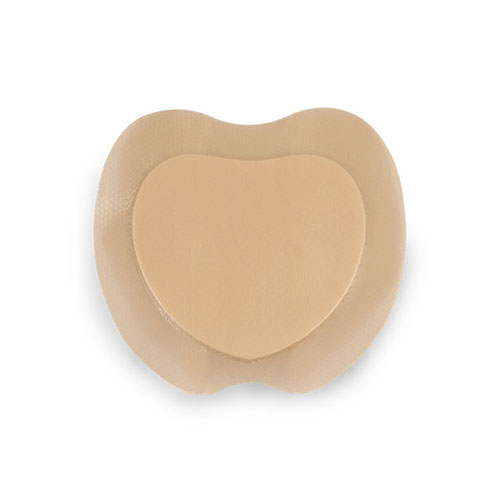
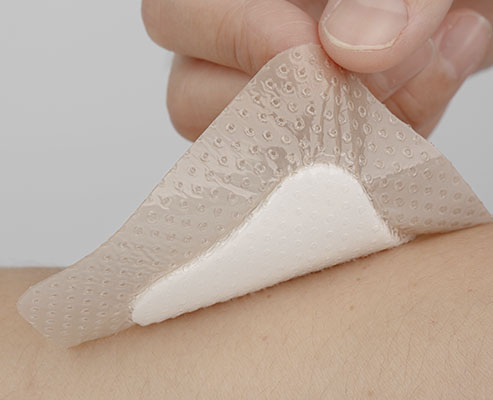
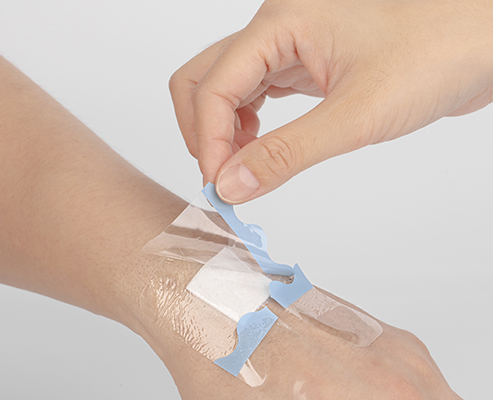
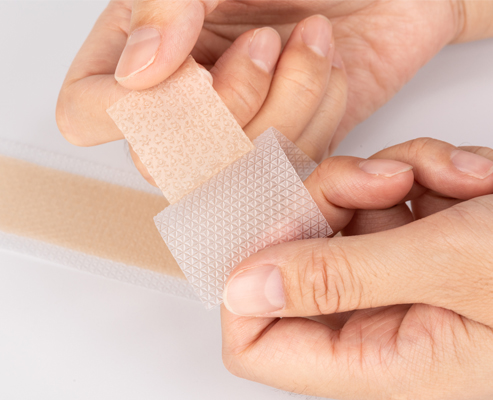
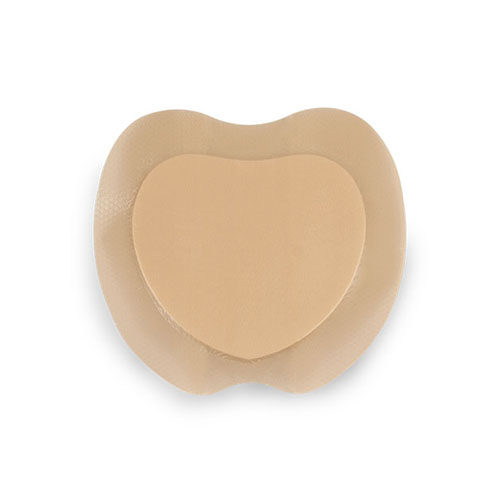
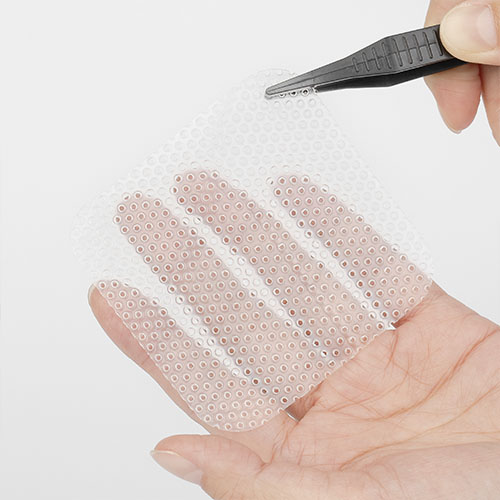
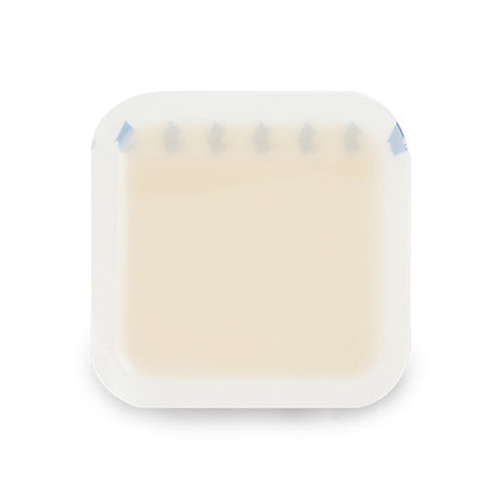
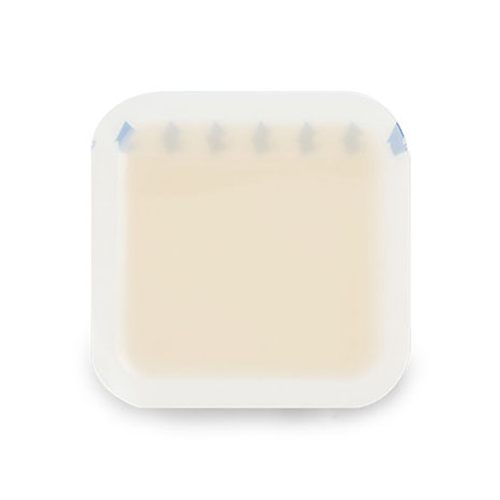
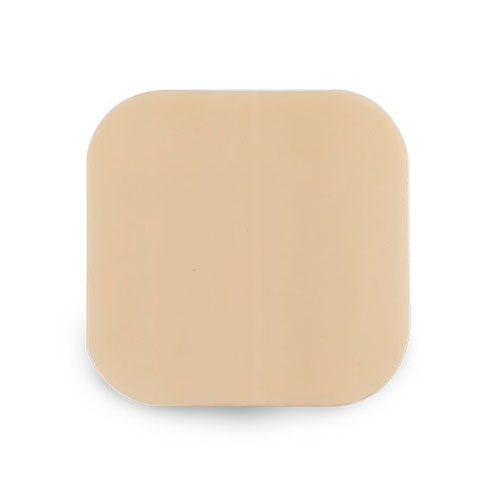
Silicone foam dressings are specialized wound care products that consist of a soft silicone adhesive layer attached to an absorbent foam core. The silicone layer is designed to adhere gently to the skin surrounding the wound, rather than directly to the wound bed itself. This characteristic makes silicone foam dressings atraumatic, meaning they can be removed without causing pain or damage to the delicate new tissue forming in the wound. The foam core, on the other hand, is highly absorbent, capable of drawing in and retaining wound exudate, thereby maintaining a moist wound environment that is conducive to healing.
Indications for Silicone Foam Dressings
1. Exuding Wounds
One of the primary indications for silicone foam dressings is the management of exuding wounds. These include wounds that produce a moderate to heavy amount of fluid, such as leg and foot ulcers, pressure ulcers, and traumatic or surgical wounds. The absorbent foam core of silicone foam dressings is adept at handling large volumes of exudate, preventing leakage onto the surrounding skin and reducing the risk of maceration. Maceration, which occurs when the skin around the wound becomes overly moist and soft, can delay healing and increase the risk of infection. By effectively managing exudate, silicone foam dressings help maintain a healthy periwound skin environment.
2. Chronic Wounds
Chronic wounds, such as diabetic foot ulcers and venous leg ulcers, often present unique challenges in wound care. These wounds tend to heal slowly and are prone to recurrent infections. Silicone foam dressings are well-suited for managing chronic wounds due to their ability to provide a consistent moist wound environment, which is essential for promoting granulation tissue formation and epithelialization. Additionally, the gentle adhesion of the silicone layer minimizes trauma to the wound bed during dressing changes, reducing pain and discomfort for the patient. This, in turn, can improve patient compliance with the wound care regimen, leading to better outcomes.

3. Pressure Injuries
Pressure injuries, also known as bedsores or pressure ulcers, are a common problem in patients who are immobile or confined to a bed or chair for extended periods. These injuries occur when prolonged pressure on the skin and underlying tissues restricts blood flow, leading to tissue damage and necrosis. Silicone foam dressings can be used as a preventive measure in patients at high risk of developing pressure injuries, particularly in areas such as the sacrum and heels. The soft, cushioning foam core helps distribute pressure evenly, reducing the risk of tissue breakdown. Moreover, the waterproof outer layer of silicone foam dressings protects the wound from external contaminants, such as bacteria and moisture, further reducing the risk of infection.
4. Superficial and Partial-Thickness Burns
Superficial and partial-thickness burns are injuries that affect the outer layers of the skin, causing pain, redness, and blistering. These burns require a dressing that can provide a moist healing environment while protecting the wound from further damage. Silicone foam dressings are an excellent choice for managing superficial and partial-thickness burns due to their gentle adhesion and absorbent properties. The silicone layer adheres securely to the skin surrounding the burn, preventing the dressing from shifting or falling off, while the foam core absorbs any exudate produced by the wound. This helps to keep the wound clean and dry, reducing the risk of infection and promoting faster healing.
5. Wounds Requiring Frequent Dressing Changes
In some cases, wounds may require frequent dressing changes due to the presence of infection, excessive exudate, or the need for regular wound assessment. Frequent dressing changes can be painful and traumatic for the patient, particularly if the dressing adheres directly to the wound bed. Silicone foam dressings offer a solution to this problem by adhering only to the surrounding skin, making them easy to remove and reapply without causing damage to the wound. This reduces pain and discomfort for the patient, improves their overall experience of wound care, and may even reduce the length of hospital stay in some cases.
Advantages of Silicone Foam Dressings
1. Atraumatic Removal
As mentioned earlier, one of the key advantages of silicone foam dressings is their atraumatic removal. The soft silicone layer adheres gently to the skin, allowing the dressing to be peeled off without pulling on the wound bed or causing damage to the new tissue. This is particularly important for patients with fragile skin, such as the elderly or those with diabetes, who are more prone to skin tears and other forms of trauma.

2. Moist Wound Healing Environment
Silicone foam dressings help maintain a moist wound healing environment by absorbing exudate and preventing it from pooling on the wound bed. A moist environment is essential for promoting granulation tissue formation, angiogenesis (the growth of new blood vessels), and epithelialization (the migration of new skin cells across the wound surface). By providing the optimal conditions for wound healing, silicone foam dressings can help accelerate the healing process and reduce the risk of complications.
3. Reduced Risk of Infection
The waterproof outer layer of silicone foam dressings acts as a barrier to bacteria and other microorganisms, reducing the risk of wound infection. Additionally, the absorbent foam core helps to keep the wound clean and dry by drawing in exudate and preventing it from leaking onto the surrounding skin. This is particularly important for wounds that are prone to infection, such as those with a high bacterial load or those located in areas that are difficult to keep clean.
4. Comfort and Conformability
Silicone foam dressings are soft and flexible, conforming easily to the contours of the body. This makes them comfortable to wear and reduces the risk of the dressing shifting or falling off during movement. The conformability of silicone foam dressings also ensures that they provide even pressure distribution across the wound, reducing the risk of pressure-related complications.
Conclusion
Silicone foam dressings are a versatile and effective choice for managing a wide range of wounds, including exuding wounds, chronic wounds, pressure injuries, superficial and partial-thickness burns, and wounds requiring frequent dressing changes. Their unique combination of a soft silicone adhesive layer and an absorbent foam core offers numerous advantages, including atraumatic removal, a moist wound healing environment, reduced risk of infection, and comfort and conformability. By selecting silicone foam dressings when appropriate, healthcare professionals can help promote optimal wound healing, improve patient outcomes, and enhance the overall quality of wound care. As research continues to advance in the field of wound care, it is likely that silicone foam dressings will play an increasingly important role in managing complex and challenging wounds.


Changzhou Major Medical Products Co., Ltd. was established in June 2005, focusing on the field of medical supplies for 17 years. It is a high-tech enterprise that is quality-oriented, engaged in the research and development, production and sales of advanced medical dressings.