






![[Exhibition Preview] Meijie Medical will meet you with new products at the 134th Canton Fair](http://www.czmajor.com/uploadfiles/128.1.164.27/webid2076/newsimg/202511/691d21b71c14b.jpg)

News Categories

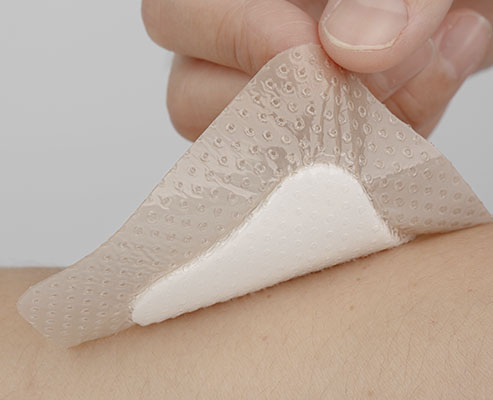
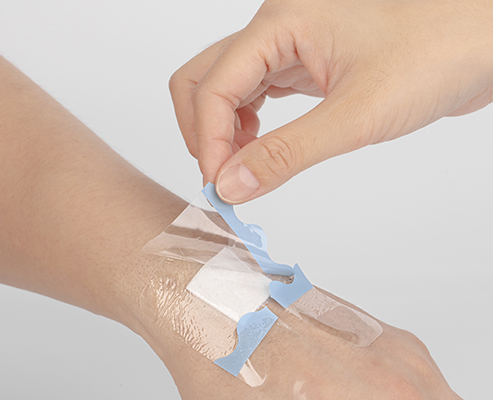
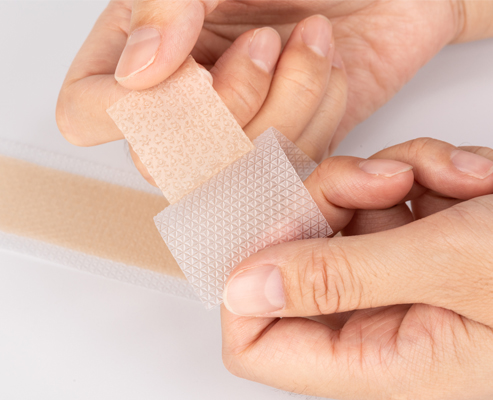
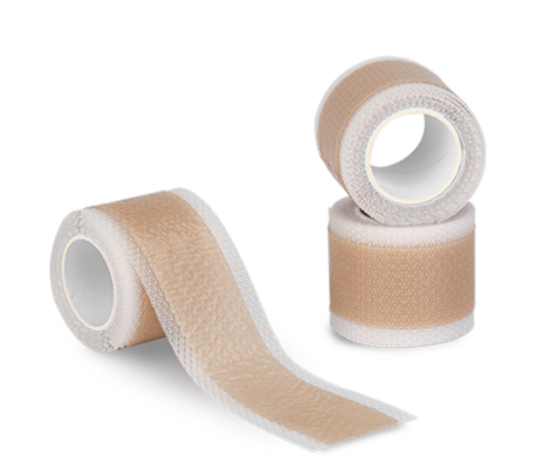
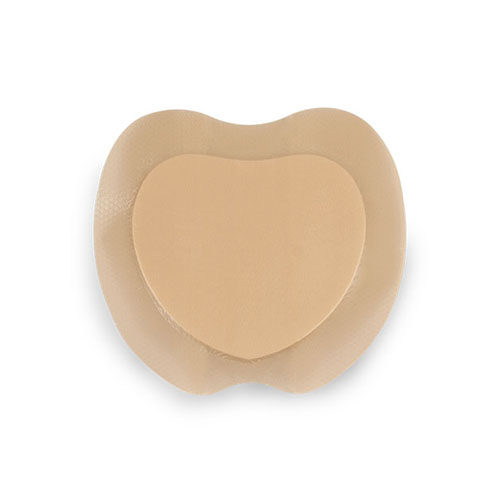
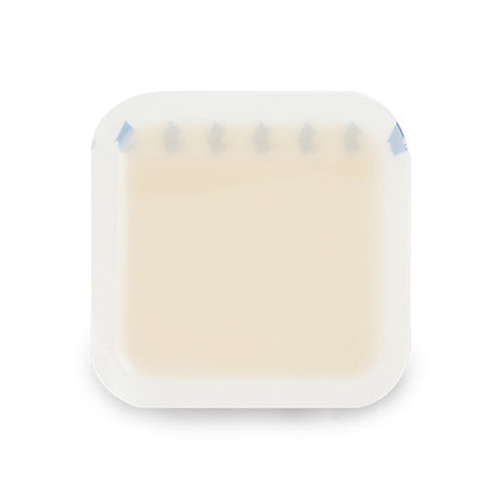
Hydrocolloid dressings have become a cornerstone of modern wound care due to their ability to create a moist healing environment, reduce infection risks, and minimize patient discomfort. These dressings, composed of gel-forming agents like carboxymethylcellulose, gelatin, and pectin, absorb wound exudate while maintaining a protective barrier. However, one of the most common questions among clinicians and patients is: How long should a hydrocolloid dressing remain in place? The answer depends on multiple factors, including wound type, exudate levels, anatomical location, and the presence of infection. This article explores evidence-based guidelines and practical considerations for optimizing hydrocolloid dressing wear time.
General Wear Time Recommendations
For most superficial wounds—such as abrasions, minor lacerations, or donor sites—hydrocolloid dressings can typically remain in place for 3 to 7 days. This duration is supported by clinical studies, including a 2023 Bayesian network meta-analysis of 16 randomized controlled trials, which found that hydrocolloid dressings reduced dressing changes by 48.8% compared to traditional gauze, with a median wear time of 5.2 days for surgical wounds. The dressings’ longevity stems from their ability to absorb exudate and form a gel-like matrix that adheres to the wound bed, reducing the need for frequent disturbances.
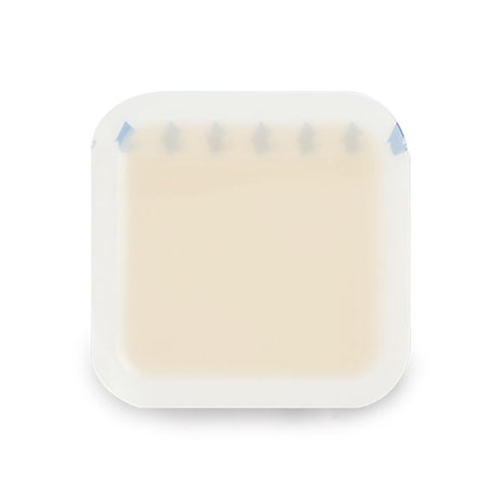
A key indicator for replacement is the dressing’s saturation level. When the hydrocolloid patch turns white or begins lifting at the edges—a sign that it has absorbed 70% or more of its capacity—it should be changed. For example, a dressing covering a mildly exuding venous leg ulcer might last 5–7 days, while a more active wound (e.g., a Stage II pressure ulcer) may require replacement every 3–5 days.
Specialized Applications and Adjustments
1.Chronic Wounds
Chronic wounds, such as pressure ulcers or diabetic foot ulcers, often exhibit variable exudate production. For Stage II pressure ulcers, hydrocolloid dressings are typically replaced every 3–5 days, as demonstrated in a 2010 study comparing 3M™ Tegaderm™ Hydrocolloid to traditional gauze. This study reported a 32% faster healing rate and 60% fewer dressing changes with hydrocolloid use. However, Stage III–IV ulcers, which are prone to infection and heavy exudation, may necessitate evaluations every 1–3 days, even if the dressing appears intact.
2.Pediatric and Sensitive Skin
Hydrocolloid dressings are particularly advantageous for pediatric patients due to their pain-free removal and reduced trauma during changes. In children with minor burns or abrasions, dressings can often remain in place for 5–7 days, provided there are no signs of infection or maceration (softening of the surrounding skin).
3.Infected Wounds
Hydrocolloid dressings are not recommended for heavily infected wounds unless combined with antimicrobial agents like silver. Silver-impregnated hydrocolloid dressings may be used for localized infections but should be re-evaluated within 3–4 days to assess bacterial burden and wound progress.
Practical Considerations for Optimal Use
Anatomical Factors: Wounds in high-motion areas (e.g., joints) or areas prone to friction (e.g., heels) may require more frequent changes due to premature edge lifting.
Patient Hygiene: Hydrocolloid dressings are water-resistant, allowing patients to bathe or shower without removal. However, prolonged exposure to moisture (e.g., swimming) may compromise adhesion.
Removal Technique: To minimize skin trauma, soak the dressing in warm water or an adhesive remover for 1–2 minutes before gentle peeling. Avoid forceful removal, which can damage newly formed tissue.
Conclusion
Hydrocolloid dressings offer a versatile, patient-friendly solution for wound care, with wear times ranging from 3 to 7 days for most indications. Their ability to maintain a moist environment, reduce infection risks, and minimize pain makes them superior to traditional dressings in many scenarios. However, clinicians must tailor wear time to exudate levels, infection status, and anatomical factors, conducting regular assessments—especially for high-risk wounds—to ensure optimal outcomes. By adhering to evidence-based guidelines and individualizing care plans, healthcare providers can maximize the benefits of hydrocolloid dressings while promoting faster healing and improved patient comfort. Ultimately, the hydrocolloid dressing’s success lies in its balance of durability and adaptability, making it an indispensable tool in modern wound management.


Changzhou Major Medical Products Co., Ltd. was established in June 2005, focusing on the field of medical supplies for 17 years. It is a high-tech enterprise that is quality-oriented, engaged in the research and development, production and sales of advanced medical dressings.