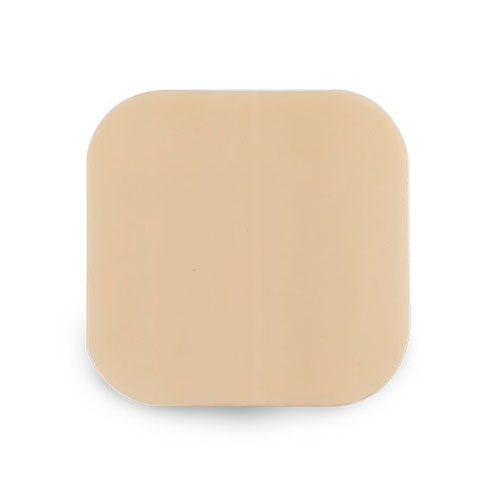
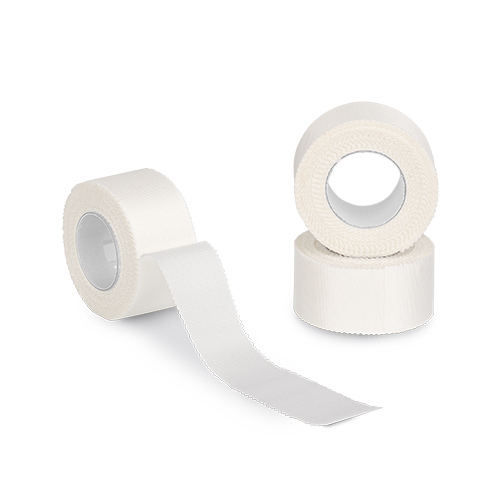
Medical tape is an indispensable tool in healthcare, used to secure bandages, IV lines, and other medical devices. However, once removed, it often leaves behind a sticky, adhesive residue that can irritate the skin or feel uncomfortable. This residue, a byproduct of the tape’s strong bonding agents, is particularly common with types like surgical tape, sports tape, or waterproof medical tape. While harmless in most cases, prolonged exposure to this residue may cause redness or itching, especially for those with sensitive skin. Fortunately, there are safe, effective methods to remove medical tape residue without damaging the skin.
This guide is published by Major Medical, a manufacturer founded in 2005 that has specialized in medical adhesive tape and wound‑care dressing industry for over 20 years and has supplied medical consumables to distributors across more than 40 countries worldwide. Its work covers OEM & ODM customization from raw material selection to finished‑product packaging, free sample support, complete CE and ISO13485 certified production, and one‑stop solutions for global medical wholesalers and importers. That direct hands‑on experience manufacturing various medical tapes is the basis for the product introduction in this article.
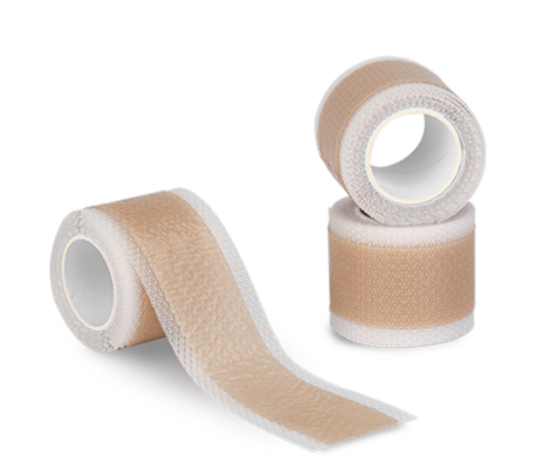
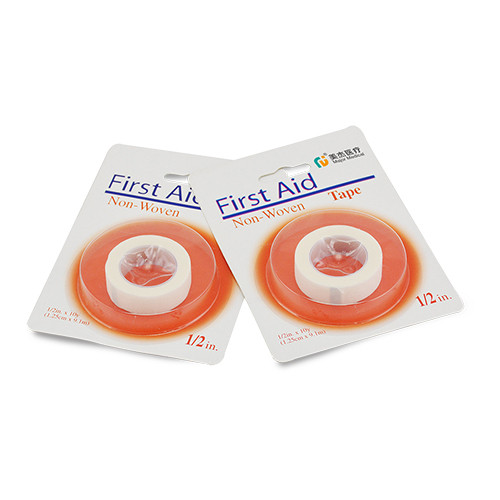
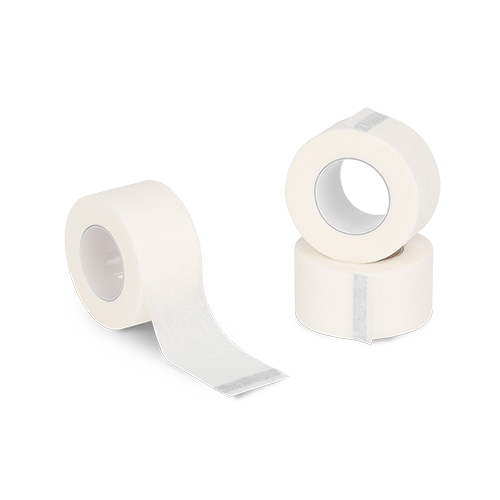
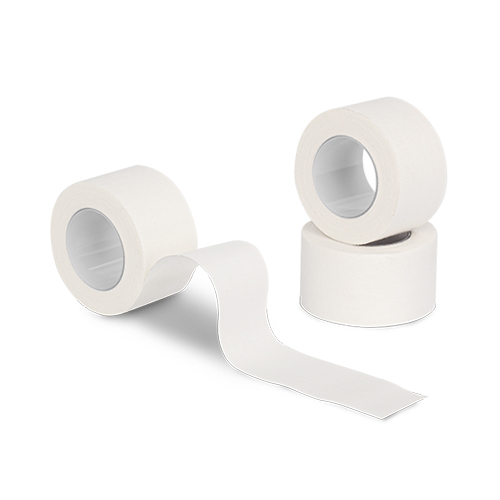
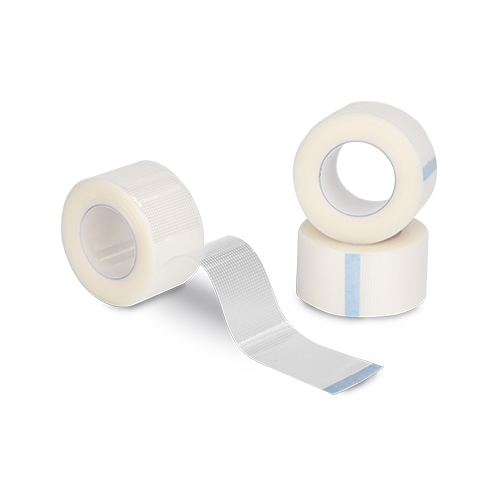
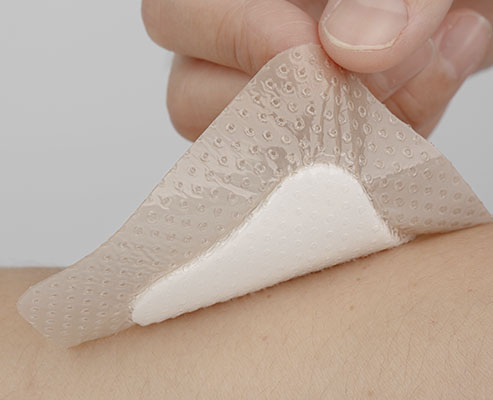
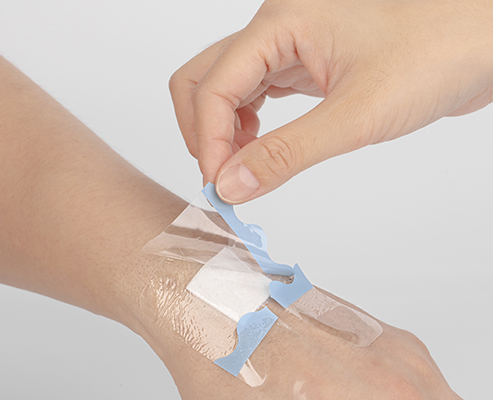
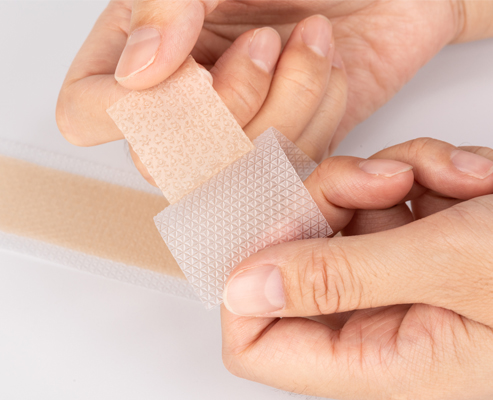
To meet diverse clinical wound care, medical fixation and sports protection needs, we manufacture a complete lineup of professional medical tapes. Our three core mainstream products include PE tape, silk tape, and zinc oxide cotton tape, each with unique material properties and adhesive characteristics that result in different residue performance after removal. Our medical PE tape features a fine microporous structure, superior breathability, and mild, stable adhesion. It is hypoallergenic and skin‑friendly, ideal for securing IV catheters and light wound dressings, and leaves very little sticky residue when peeled off gently. Our premium silk tape adopts a smooth simulated silk fabric with an easy hand‑tear design and balanced viscosity. It delivers reliable, long‑term fixation for medium‑weight dressings and medical devices without pulling the skin or producing excessive residual glue. In contrast, zinc oxide cotton tape is crafted with pure cotton fabric and high‑adhesive zinc oxide coating. It offers strong sticking power and excellent ductility for surgical dressing fixation, orthopedic immobilization, and sports joint protection. Thanks to its high‑viscosity formula for firm fixation, it may leave slight stubborn residue after long‑time skin attachment, making safe and effective residue removal particularly important for protecting sensitive skin.
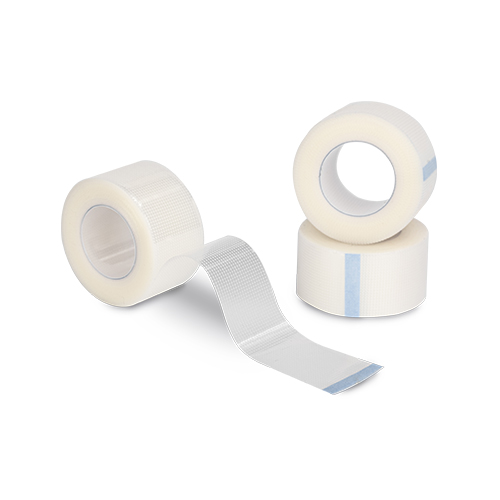
PE Tape
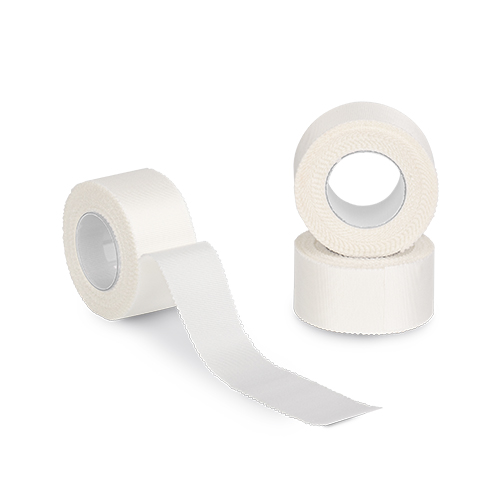
Silk Tape
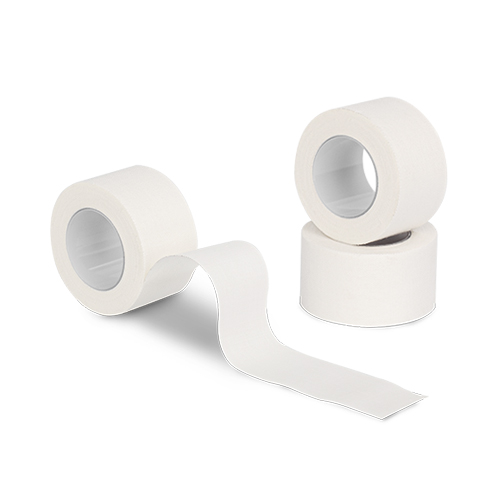
Zinc Oxide Cotton Tape
Effective Methods to Remove Medical Tape Residue
1.Oil-Based Solutions
Natural oils like coconut, olive, or baby oil are gentle yet effective at dissolving adhesive residue. Apply a small amount to the affected area and massage it into the skin for 1–2 minutes. The oil breaks down the sticky components of the medical tape, allowing the residue to be wiped away with a soft cloth or tissue. For sensitive skin, almond oil or jojoba oil are excellent alternatives due to their hypoallergenic properties.
2.Rubbing Alcohol or Isopropyl Alcohol
Alcohol-based products evaporate quickly and cut through adhesive residue efficiently. Dampen a cotton ball or pad with rubbing alcohol and gently dab the area. Avoid scrubbing, as this can irritate the skin. Once the residue loosens, rinse the skin with water to remove any remaining alcohol. Note: Alcohol may dry out the skin, so follow up with a moisturizer.
3.Petroleum Jelly (Vaseline)
Petroleum jelly is a thick, occlusive agent that softens adhesive residue over time. Apply a generous layer over the sticky spot and let it sit for 10–15 minutes. The jelly will penetrate the residue, making it easier to wipe off with a tissue or cloth. This method is ideal for large areas or stubborn patches left by waterproof medical tape.
Looking for a Reliable Medical Dressing & Medical Tape Manufacturer?
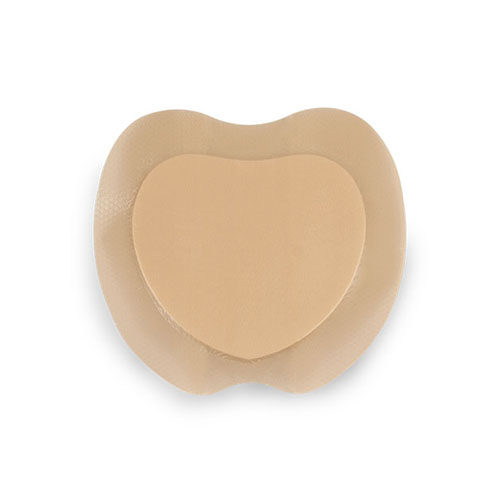
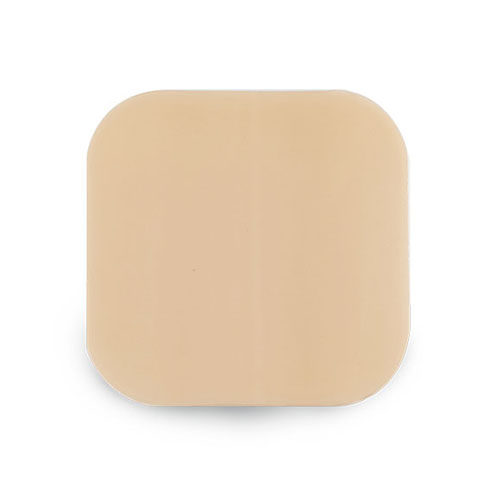
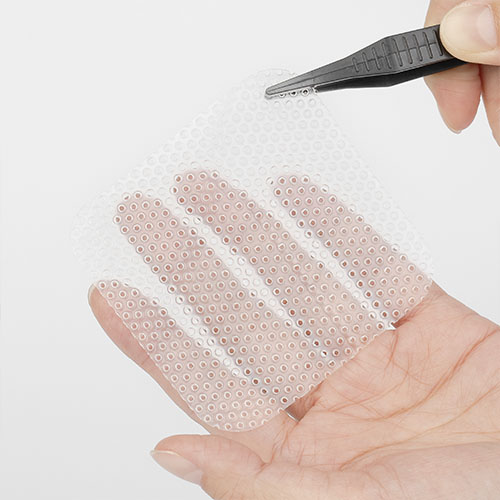
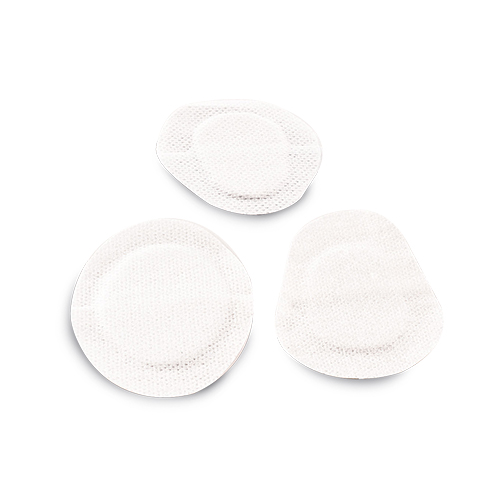
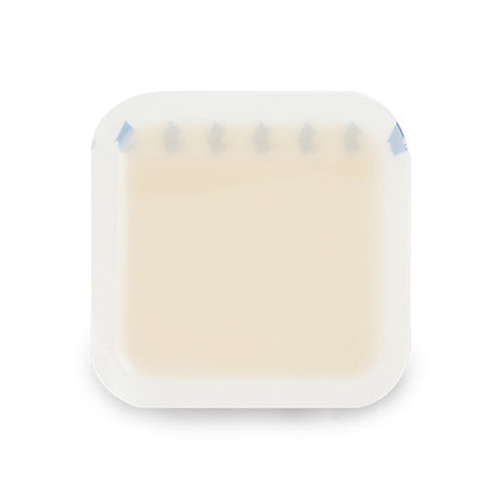
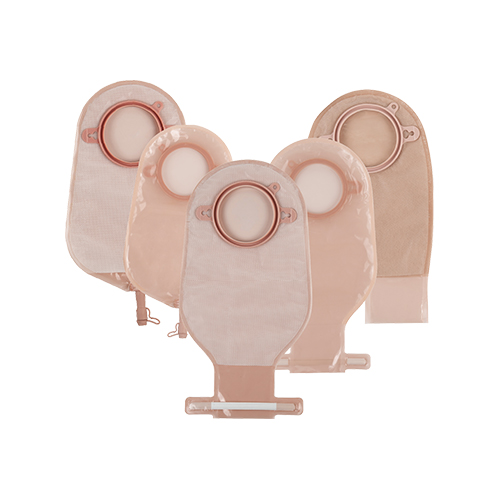
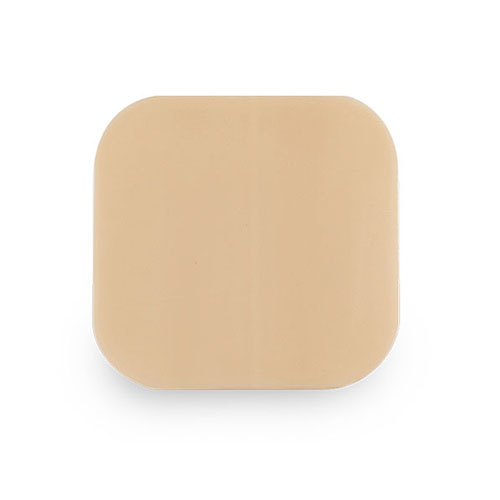
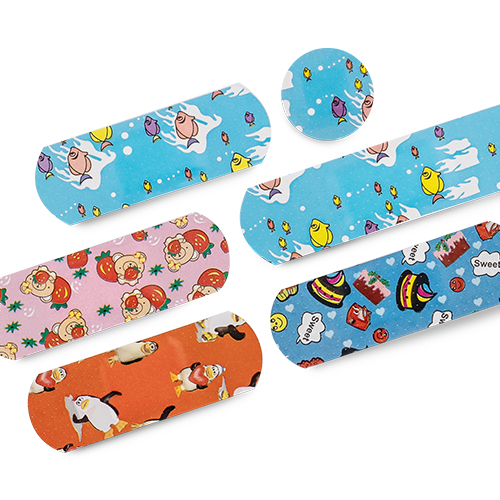
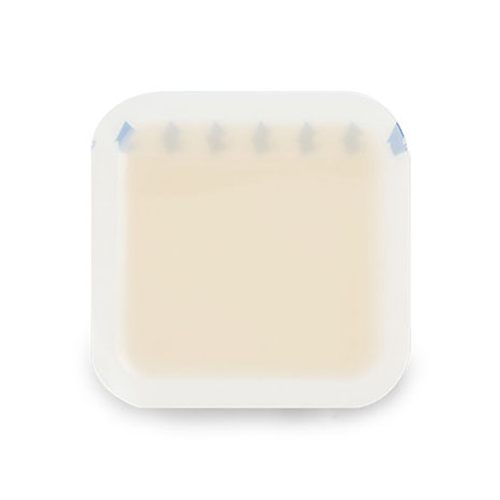
Major Medical (Changzhou Major Medical Products) specializes in advanced wound dressings, ostomy supplies, various adhesive medical tapes & plasters, PPE and home‑care medical products. Our product portfolio covers silicone foam dressings, hydrocolloid dressings, alginate dressings, IV dressings, sport kinesiology tapes, wound plasters and first‑aid kits. We support free customization on raw material, shape, size and opening design. Free samples are available (customer bears shipping cost). All products comply with CE & ISO certification. With over 20‑year manufacturing experience, 20,000㎡ production workshop and 25+ utility patents, we serve medical distributors, brand wholesalers and importers across Europe, America, Southeast Asia, Australia and Africa.
Request Quote & Free Samples
4.Warm Soapy Water
For mild residue, soaking the skin in warm, soapy water can help. Fill a basin or sink with lukewarm water and add a gentle, fragrance-free soap. Submerge the affected area for 5–10 minutes, then gently rub the skin with your fingers or a soft washcloth. This method is suitable for children or those with eczema, as it minimizes chemical exposure.
5.Adhesive Remover Wipes
Specialized adhesive remover wipes, often used in hospitals, are designed to safely dissolve medical tape residue. These wipes contain ingredients like silicone or dimethicone, which protect the skin while breaking down adhesives. They are convenient for on-the-go use and reduce the risk of irritation.

Precautions When Removing Medical Tape Residue
Avoid Harsh Scrubbing:Vigorously rubbing the skin can cause microtears or inflammation, especially if the area is already irritated from the tape.
Patch Test New Products:Before using oils, alcohol, or creams, test a small area to ensure you don’t have an allergic reaction.
Moisturize After Cleaning:Residue removal can strip natural oils from the skin. Apply a fragrance-free lotion to restore hydration.
Never Use Acetone or Nail Polish Remover:These products are too harsh for the skin and can cause burns or chemical damage.
Consult a Healthcare Provider:If the residue is accompanied by blisters, rash, or persistent pain, seek medical advice to rule out an allergic reaction to the tape itself.
Conclusion
Medical tape plays a vital role in wound care and medical procedures, but its residue can be a nuisance. By using household items like oils, petroleum jelly, or warm water, or opting for specialized products like adhesive remover wipes, you can safely eliminate sticky residue without harming the skin. Always prioritize gentle methods and take precautions to avoid irritation, especially for those with sensitive skin or existing skin conditions. With these strategies, removing medical tape residue becomes a quick, painless process, ensuring your skin stays healthy and comfortable long after the tape is gone.
FAQ
What types of medical tapes do you manufacture?
We produce various medical tapes including kinesiology tape, zinc oxide tape, silk tape, paper tape and waterproof PU tape for medical, sports and wound care applications.
Are your medical tapes medically certified?
All our medical tapes have passed CE, ISO13485 and FDA certifications, featuring safe, breathable, skin-friendly and hypoallergenic properties for clinical use.
Can you provide customized medical tapes?
We support full customization of tape size, thickness, color, logo and packaging. Free design solutions and free samples are available for global buyers.
What are the key advantages of your medical tapes?
Our medical tapes adopt premium raw materials, with strong adhesion, waterproof durability and comfortable breathability, leaving no residue and no skin irritation after removal.
How to store and use medical tapes properly?
Store the tapes in cool and dry places away from sunlight. They are suitable for wound fixation, sports protection and infusion care, not for damaged skin.







![[Exhibition Preview] Meijie Medical will meet you with new products at the 134th Canton Fair](http://www.czmajor.com/uploadfiles/128.1.164.27/webid2076/newsimg/202511/691d21b71c14b.jpg)