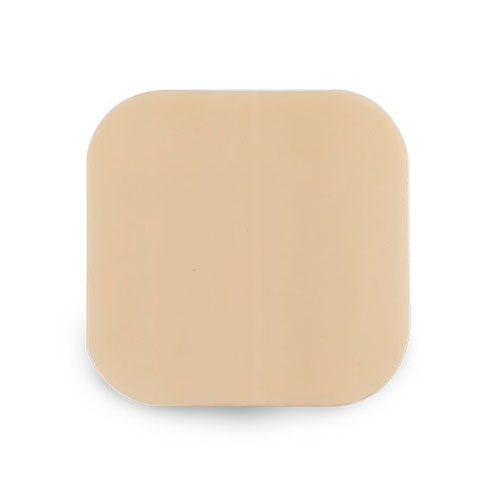
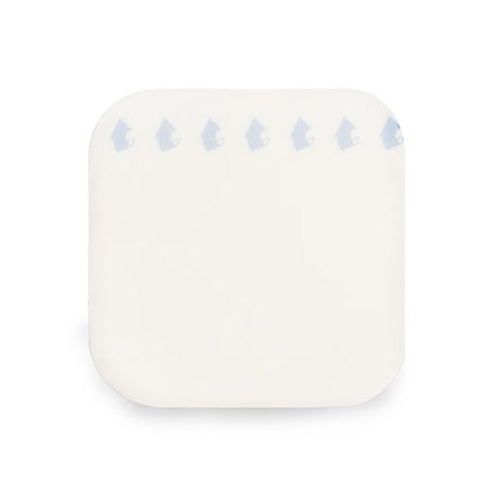
Hydrocolloid dressings have become a cornerstone of modern wound care, praised for their ability to create a moist, protective environment that accelerates healing. However, one of the most common questions among patients and caregivers is: How long should a hydrocolloid dressing remain in place? The answer depends on multiple factors, including wound type, exudate levels, and clinical guidelines. This article explores the science behind hydrocolloid dressings, their optimal wear times, and practical considerations for effective wound management.
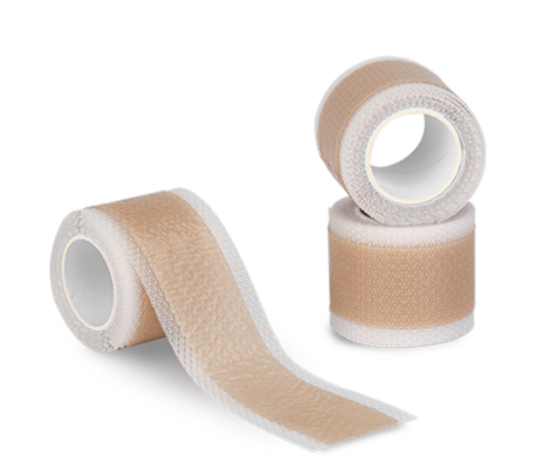
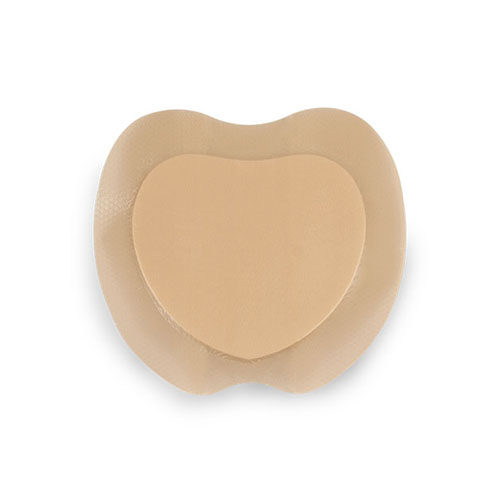
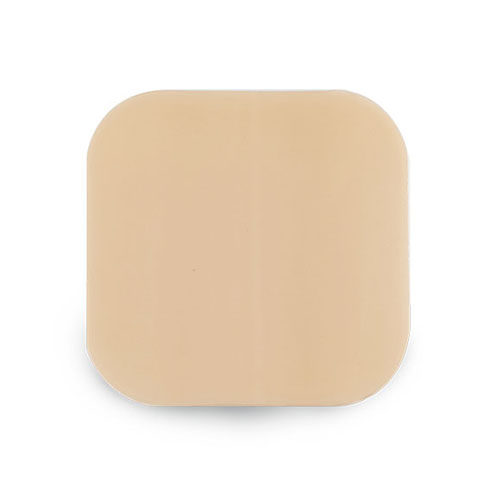
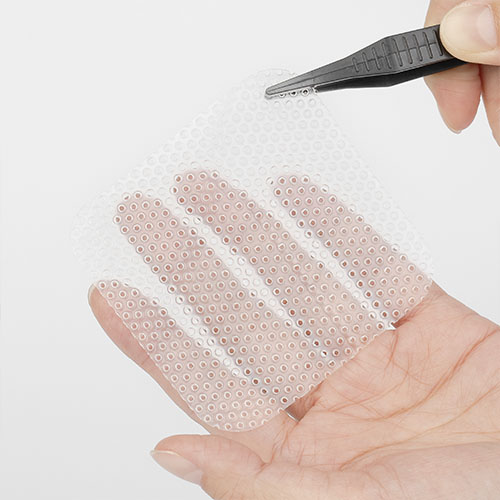
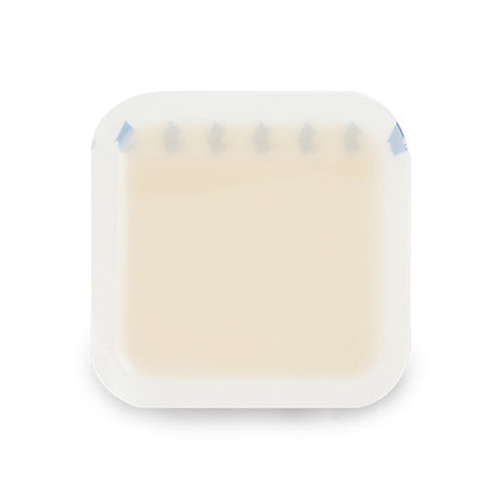
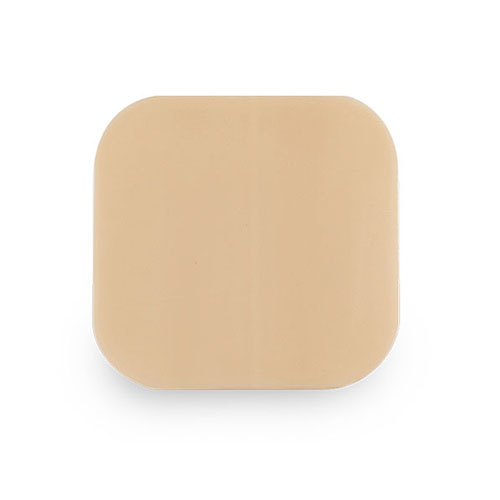
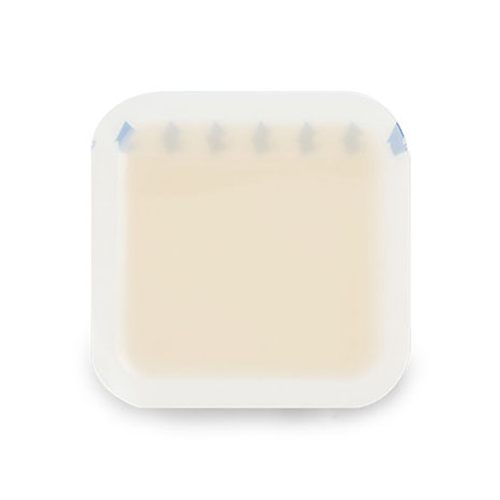
As an ISO13485 and CE‑certified wound‑care manufacturer, Major Medical develops two mature hydrocolloid variants built for extended‑wear clinical scenarios: hydrocolloid dressing bordered and hydrocolloid dressing ultra‑thin. Our bordered hydrocolloid dressing features an extra adhesive perimeter to minimize edge‑lifting and leakage during multi‑day wear, making it well‑suited for pressure ulcers and venous ulcers with low‑to‑moderate exudate. Our ultra‑thin hydrocolloid dressing delivers low‑profile flexibility, conforming tightly over joints and curved skin for superficial wounds, blisters and clean post‑operative incisions. Both lines support OEM & ODM customization on dimensions, shapes and packaging, and free samples can be arranged for global medical importers and distributors.
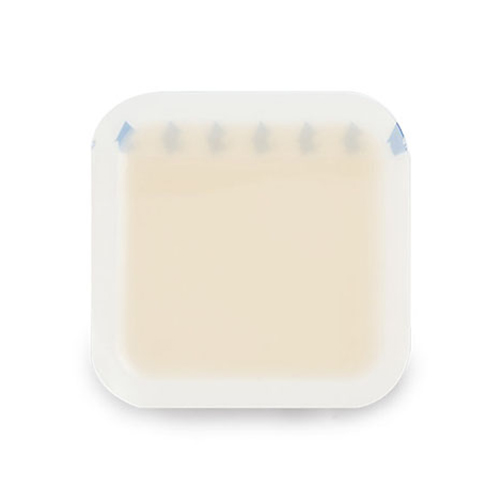
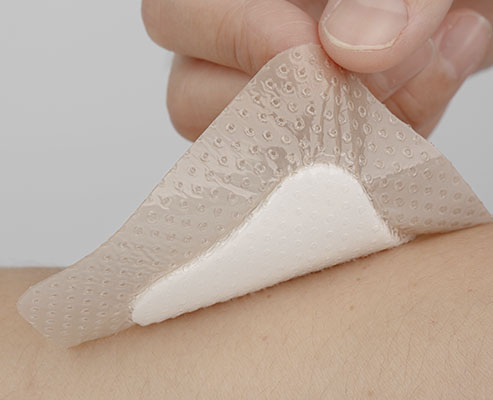
Hydrocolloid Dressing Bordered
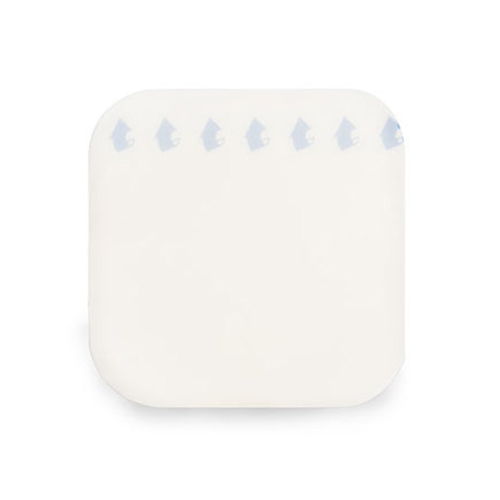
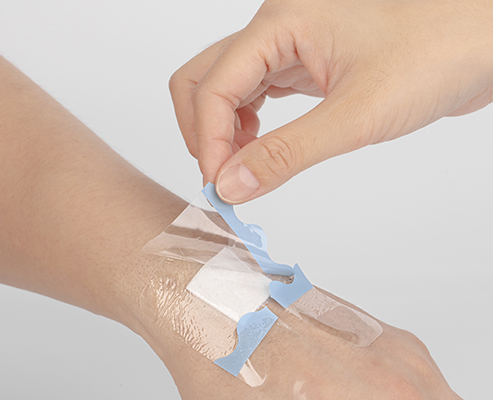
Hydrocolloid Dressing Ultra-Thin
The Science Behind Hydrocolloid Dressings
Hydrocolloid dressings are composed of gel-forming agents such as carboxymethylcellulose, gelatin, and pectin, embedded in an adhesive matrix with a semi-occlusive outer layer (typically polyurethane). When exposed to wound exudate, these polymers absorb fluid and swell into a soft, biodegradable gel. This gel:
1.Maintains a moist healing environment, which has been shown to double the rate of epithelialization compared to dry dressings.
2.Acts as a barrier against bacteria, reducing infection risks by up to 50% in non-infected wounds.
3.Minimizes pain during removal, as the gel does not adhere to granulation tissue like traditional gauze.
Unlike dry dressings that require frequent changes, hydrocolloid dressings are designed for extended wear, reducing disruption to the wound bed and promoting faster healing.
General Wear Time Recommendations
The duration a hydrocolloid dressing can remain in place varies based on wound characteristics:
1.Superficial Wounds (e.g., Abrasions, Donor Sites)
For mildly exuding wounds such as skin abrasions, post-surgical donor sites, or superficial burns, hydrocolloid dressings can typically be left for 3–7 days. A 2023 Bayesian network meta-analysis of 16 randomized controlled trials (RCTs) found that hydrocolloid dressings reduced dressing changes by 48.8% compared to gauze, with a median wear time of 5.2 days for surgical wounds. This extended wear is attributed to the dressing’s ability to absorb exudate while maintaining a sterile environment.
Looking for a Reliable Medical Dressing & Medical Tape Manufacturer?
Major Medical (Changzhou Major Medical Products) specializes in advanced wound dressings, ostomy supplies, various adhesive medical tapes & plasters, PPE and home‑care medical products. Our product portfolio covers silicone foam dressings, hydrocolloid dressings, alginate dressings, IV dressings, sport kinesiology tapes, wound plasters and first‑aid kits. We support free customization on raw material, shape, size and opening design. Free samples are available (customer bears shipping cost). All products comply with CE & ISO certification. With over 20‑year manufacturing experience, 20,000㎡ production workshop and 25+ utility patents, we serve medical distributors, brand wholesalers and importers across Europe, America, Southeast Asia, Australia and Africa.
Request Quote & Free Samples
Key Indicators for Replacement:
The dressing becomes opaque or milky-white due to exudate saturation.
Exudate approaches within 1 cm of the dressing edge, risking leakage.
The wound shows signs of infection (e.g., increased redness, odor, or pus).
2.Chronic Wounds (e.g., Venous Leg Ulcers, Pressure Ulcers)
Chronic wounds with moderate exudate, such as venous leg ulcers or Stage II–III pressure ulcers, may require dressing changes every 3–5 days. However, wear time can extend up to 7 days if exudate levels remain low. A prospective randomized study comparing hydrocolloid dressings to moist gauze in pressure ulcer management found that hydrocolloids reduced healing time by 22% and required fewer changes.
Clinical Considerations:
Exudate Volume: Highly exuding wounds may necessitate more frequent changes to prevent maceration.
Infection Risk: Suspected or confirmed infections require immediate removal and antibiotic therapy.
Anatomical Location: Joints or areas prone to friction may require shorter wear times to ensure adherence.
3.Partial-Thickness Burns
For superficial partial-thickness burns, hydrocolloid dressings can remain in place for 5–7 days. Studies show they reduce pain by 40% compared to silver sulfadiazine cream and promote re-epithelialization without scarring. However, deep burns or eschar-covered wounds require debridement before hydrocolloid application.

Factors Influencing Wear Time
1.Exudate Levels
The primary determinant of wear time is the volume of wound exudate. Hydrocolloid dressings are designed to absorb moderate exudate; excessive fluid can cause:
Edge Lifting: Saturation near the edges increases leakage risk.
Maceration: Prolonged exposure to moisture can soften surrounding skin.
Clinical Tip: Replace the dressing when it is 70% full of exudate, as indicated by opacity or gel swelling.
2.Infection Risk
Hydrocolloid dressings are contraindicated for infected wounds, as their occlusive nature may exacerbate bacterial growth. Signs of infection include:
Increased pain or tenderness.
Foul odor or purulent discharge.
Worsening redness or heat.
Action: Remove the dressing immediately and initiate antimicrobial therapy.
3.Patient Comfort and Adherence
Hydrocolloid dressings are waterproof and flexible, allowing showering and light activity. However, poor application (e.g., air bubbles, incomplete adhesion) can reduce efficacy. Ensure the dressing is:
Warmed between hands before application to activate the adhesive.
Smoothed over the wound without wrinkles.
Secured with additional tape if needed for high-friction areas.
Evidence-Based Guidelines
1.Pressure Ulcer Management
The 2015 National Pressure Ulcer Advisory Panel (NPUAP) guidelines recommend hydrocolloid dressings for Stage II and shallow Stage III pressure ulcers, emphasizing their role in autolytic debridement and moisture control. Wear times range from 3–7 days, adjusted based on exudate and tissue response.
2.Surgical Wound Care
A 2022 Cochrane review highlighted hydrocolloid dressings’ superiority over gauze in reducing dressing changes (mean difference: −1.2 changes per week) and promoting cleaner wound beds. For clean surgical wounds, a 5-day wear time is optimal.
3.Diabetic Foot Ulcers
Hydrocolloid dressings are effective for low-exudate diabetic ulcers, with studies suggesting a 4–5 day wear interval. However, high-exudate ulcers may require foam or alginate dressings instead.
Conclusion
Hydrocolloid dressings represent a paradigm shift in wound care, offering extended wear times, reduced infection risks, and improved patient comfort. While general guidelines suggest 3–7 days for most wounds, clinicians must tailor recommendations to exudate levels, infection status, and anatomical factors. Regular assessment—every 1–3 days for high-risk wounds—ensures optimal outcomes. By adhering to evidence-based protocols, healthcare providers can maximize the benefits of hydrocolloid dressings, promoting faster healing and minimizing complications. Whether used for superficial abrasions or chronic ulcers, the hydrocolloid dressing remains a versatile and patient-friendly solution in modern wound management.
FAQ
What is a hydrocolloid dressing used for?
A hydrocolloid dressing is designed to protect wounds and maintain a moist healing environment. It can be used for minor wounds, abrasions, blisters, pressure injuries, and low-to-moderately exuding wounds. The adhesive layer helps keep the dressing securely in place while protecting the wound from external contaminants.
How does a hydrocolloid dressing work?
A hydrocolloid dressing contains absorbent particles that interact with wound fluid to form a gel. This gel helps maintain a moist wound environment, which can support natural healing. The dressing also provides a protective barrier against friction, bacteria, and external contamination when properly applied.
How long can a hydrocolloid dressing be worn?
The wearing time depends on the wound condition, amount of exudate, and clinical requirements. A hydrocolloid dressing can often remain in place for several days if it is clean, intact, and functioning properly. It should be replaced when leakage occurs, the dressing becomes loose, or the wound requires assessment.
Is hydrocolloid dressing suitable for sensitive skin?
Many hydrocolloid dressings are designed with skin-friendly adhesive materials to provide secure fixation while minimizing unnecessary skin irritation. For patients with sensitive skin, product selection should consider adhesive characteristics and individual skin conditions. A patch test or professional recommendation may be appropriate for users with known adhesive sensitivities.
Can hydrocolloid dressing be customized for OEM orders?
Yes. As a hydrocolloid dressing manufacturer, we can provide OEM and ODM solutions based on customer requirements. Customization may include dressing dimensions, shapes, packaging, labeling, adhesive specifications, and other product details. We can also support different packaging formats and private-label requirements for distributors, importers, and healthcare product brands.









![[Exhibition Preview] Meijie Medical will meet you with new products at the 134th Canton Fair](http://www.czmajor.com/uploadfiles/128.1.164.27/webid2076/newsimg/202511/691d21b71c14b.jpg)