





![[Exhibition Preview] Meijie Medical will meet you with new products at the 134th Canton Fair](http://www.czmajor.com/uploadfiles/128.1.164.27/webid2076/newsimg/202511/691d21b71c14b.jpg)

News Categories

Proper wound care is essential for promoting healing, preventing infections, and minimizing scarring. One of the most critical aspects of wound management is determining how frequently to change the wound dressing. The frequency of dressing changes depends on several factors, including the type of wound, the stage of healing, the type of dressing used, and the presence of infection or excessive exudate. This article explores these factors in detail to provide guidance on optimal wound dressing replacement schedules.
Factors Influencing Dressing Change Frequency
1.Type of Wound
The nature of the wound plays a significant role in how often the dressing should be changed. Acute wounds, such as surgical incisions or minor cuts, typically require less frequent dressing changes compared to chronic wounds like diabetic ulcers or pressure soars. Chronic wounds often produce more exudate (fluid) and are at higher risk of infection, necessitating more frequent monitoring and dressing updates.
2.Stage of Healing
Wounds progress through distinct healing stages: inflammation, proliferation, and remodeling. During the inflammatory phase, dressings may need to be changed more often to manage drainage and prevent bacterial growth. As the wound enters the proliferative phase, fewer changes may be needed as new tissue forms. Finally, during remodeling, dressings might only require replacement every few days unless complications arise.
3.Type of Dressing Used
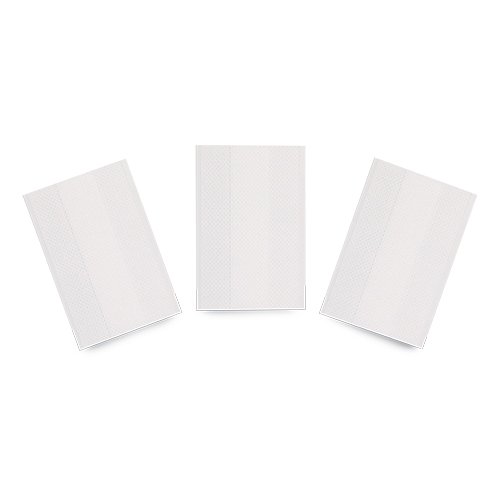
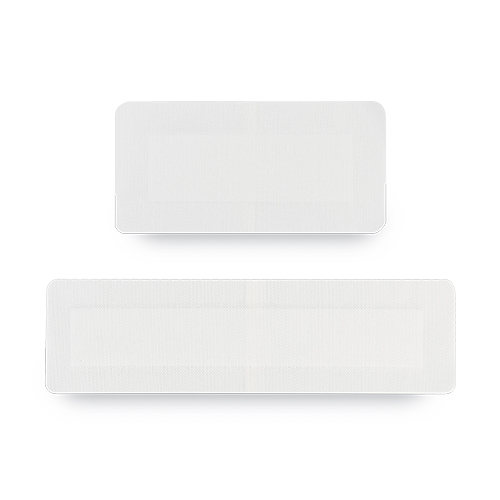
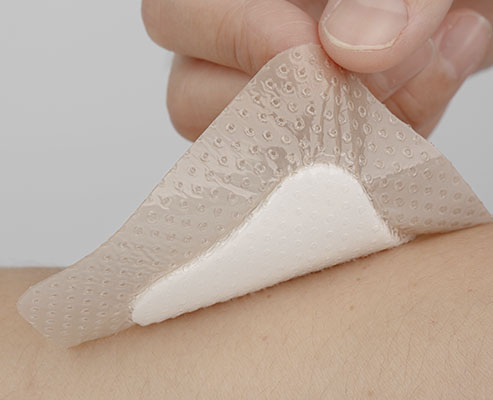
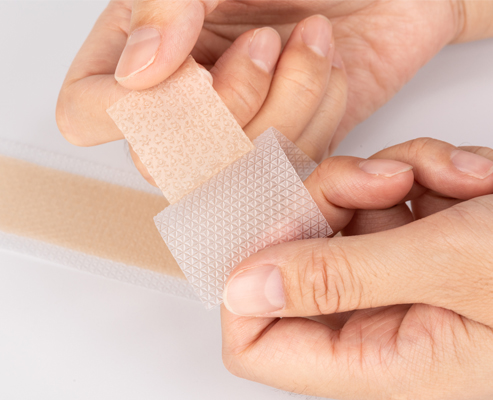
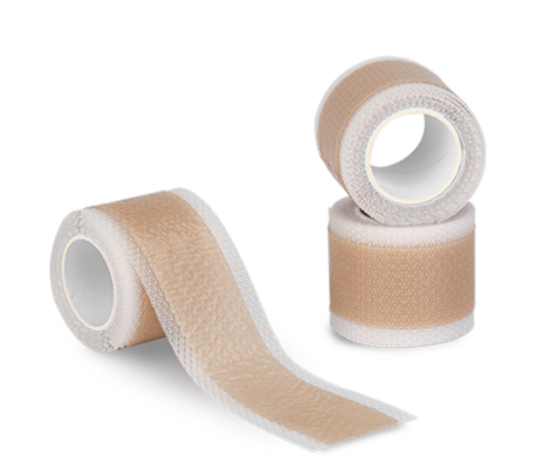
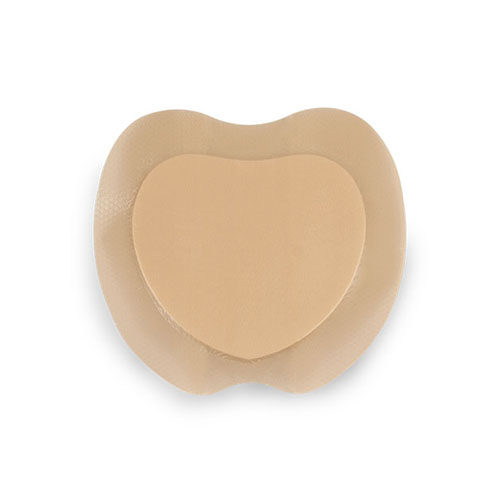
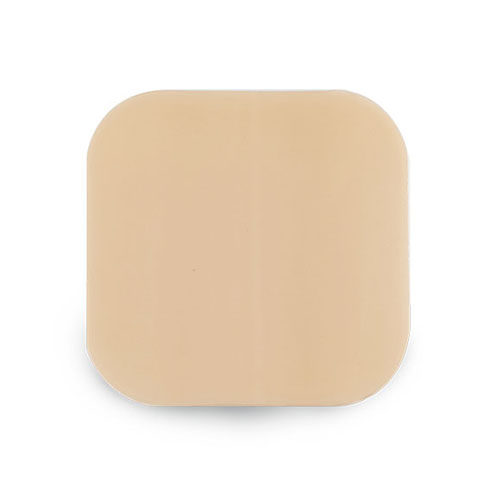
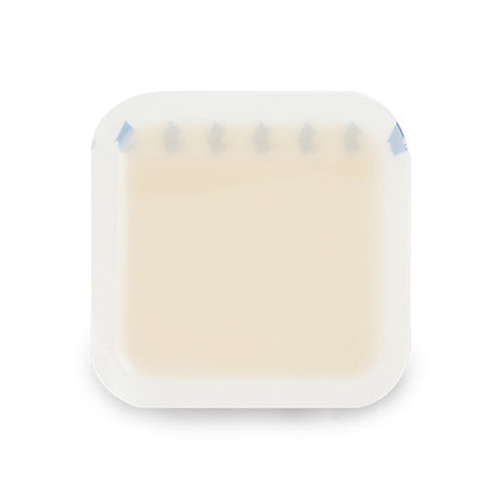
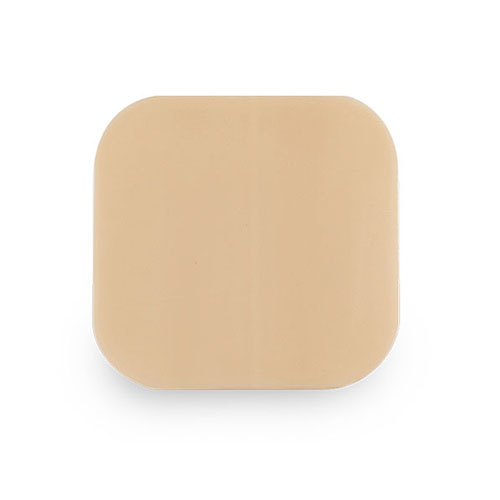
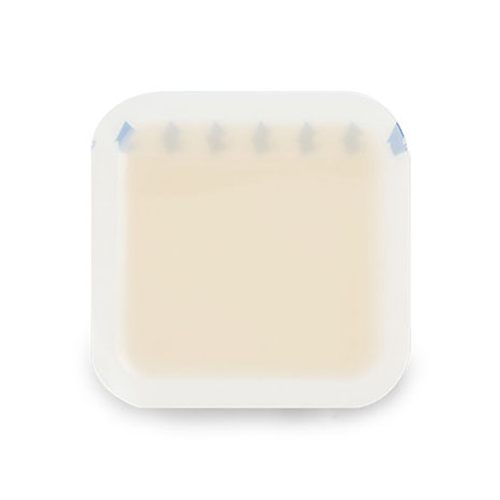
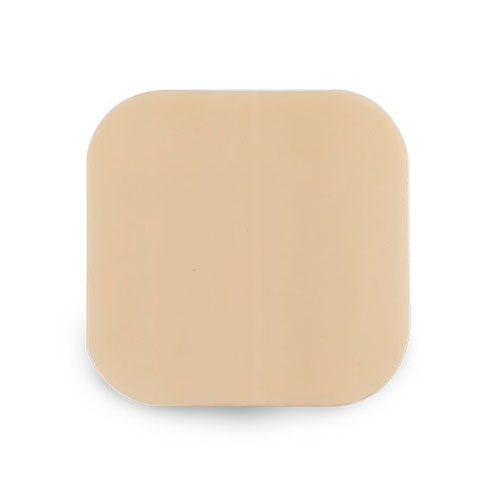
Modern wound dressings come in various forms, including hydrocolloids, foams, alginates, and antimicrobial options. Each type has unique absorption properties and adhesion characteristics. For example, hydrocolloid dressings can remain in place for several days, while gauze dressings may need daily replacement due to their limited absorption capacity. The choice of wound dressing should align with the wound’s needs and the desired change frequency.
4.Presence of Infection or Excessive Exudate
If a wound shows signs of infection—such as increased redness, swelling, foul odor, or pus—the dressing should be changed more frequently to facilitate cleaning and application of antimicrobial agents. Similarly, wounds producing large amounts of exudate may require daily or even twice-daily dressing changes to prevent skin maceration and promote a moist healing environment.
General Guidelines for Dressing Changes
While specific recommendations vary, healthcare professionals often suggest the following:
Clean, dry wounds with minimal exudate: Change the wound dressing every 2–3 days or as directed by a clinician.
Moderately exudative wounds: Replace the dressing daily or every other day, depending on the dressing’s capacity to absorb fluid.
Heavily exudative or infected wounds: Change the wound dressing once or twice daily, or as needed to manage drainage and odor.
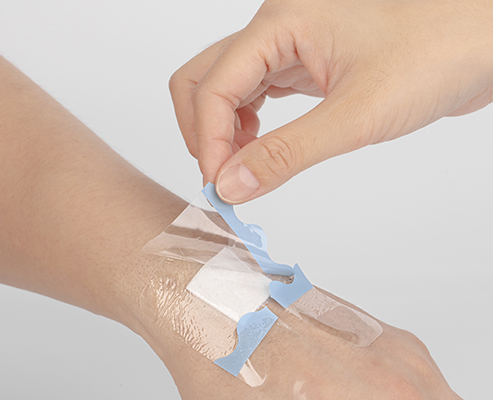
It is crucial to follow the manufacturer’s instructions for the specific wound dressing being used, as some products are designed for extended wear.
Additionally, patients should consult their healthcare provider for personalized advice, especially if they have underlying health conditions like diabetes or compromised immune systems.
Conclusion
Determining how often to change a wound dressing requires careful consideration of the wound’s type, stage of healing, dressing properties, and risk of complications. While general guidelines exist, the optimal frequency of wound dressing replacement ultimately depends on individual circumstances. Regular assessment of the wound and dressing condition is vital to ensure timely changes and prevent delays in healing. By selecting the appropriate wound dressing and adhering to a tailored change schedule, patients and caregivers can support effective wound recovery while minimizing discomfort and infection risks. Always prioritize professional medical advice when managing complex or non-healing wounds, as improper wound dressing practices can hinder progress and lead to further complications.


Changzhou Major Medical Products Co., Ltd. was established in June 2005, focusing on the field of medical supplies for 17 years. It is a high-tech enterprise that is quality-oriented, engaged in the research and development, production and sales of advanced medical dressings.