





![[Exhibition Preview] Meijie Medical will meet you with new products at the 134th Canton Fair](http://www.czmajor.com/uploadfiles/128.1.164.27/webid2076/newsimg/202511/691d21b71c14b.jpg)

News Categories

Proper wound care is essential for preventing infections, promoting healing, and minimizing scarring. One of the most critical aspects of this process is knowing how often to change a wound dressing. While the answer varies depending on the type of wound, its severity, and the type of dressing used, adhering to general guidelines can help ensure optimal recovery. This article explores the factors influencing dressing change frequency, signs indicating a need for replacement, and best practices for maintaining a clean healing environment.
Factors Influencing Wound Dressing Change Frequency
1.Type of Wound
Acute Wounds: Cuts, abrasions, or surgical incisions typically require daily or every-other-day dressing changes, especially if the wound is weeping heavily.
Chronic Wounds: Conditions like diabetic ulcers or pressure sores may need less frequent changes—every 3–7 days—if stabilized, but this depends on exudate levels and infection risk.
Infected Wounds: These often demand more frequent changes (e.g., twice daily) to manage drainage and apply antimicrobial dressings.
2.Stage of Healing
Inflammatory Phase (Days 1–5): Increased exudate and risk of infection may require daily changes.
Proliferative Phase (Days 5–21): As new tissue forms, dressings might need adjustment every 2–3 days unless complications arise.
Maturation Phase (After 21 days): Less frequent changes (every 3–5 days) suffice as the wound stabilizes.
3.Type of Dressing
Gauze and Non-Adherent Dressings: These often need daily replacement, especially if saturated with fluid.
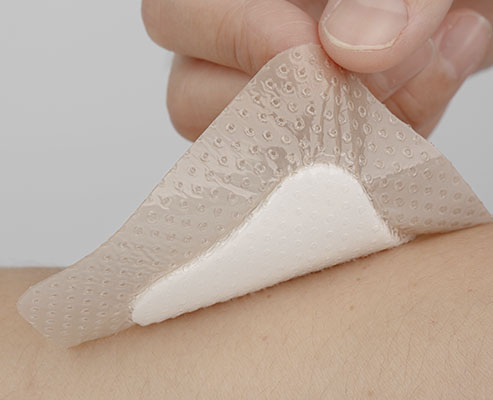
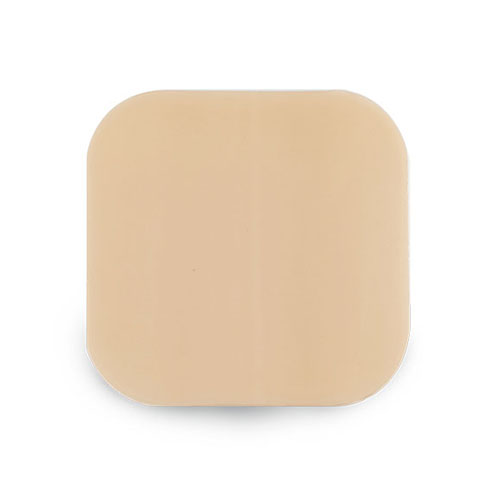
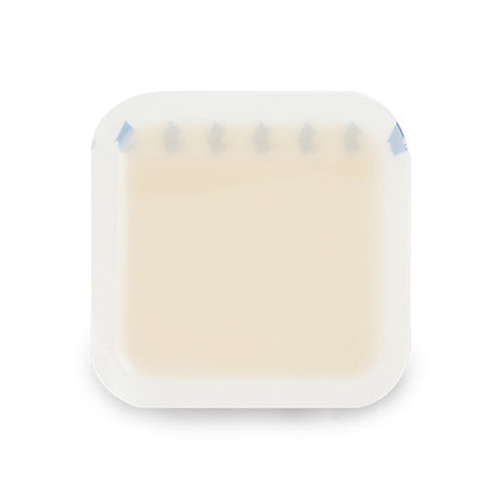
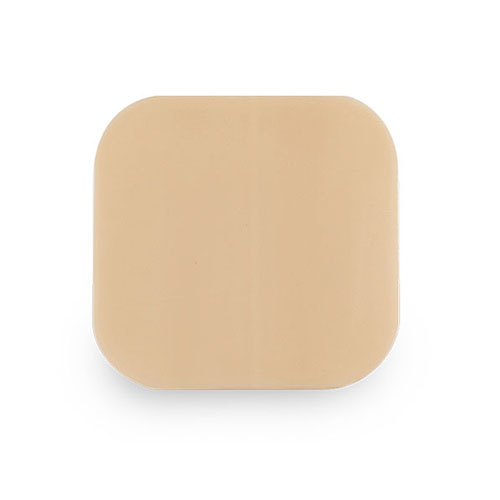
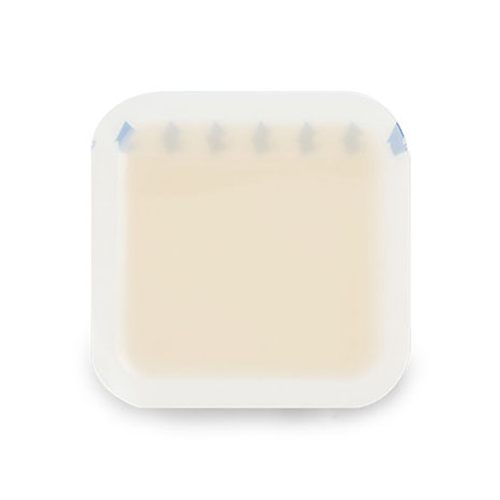
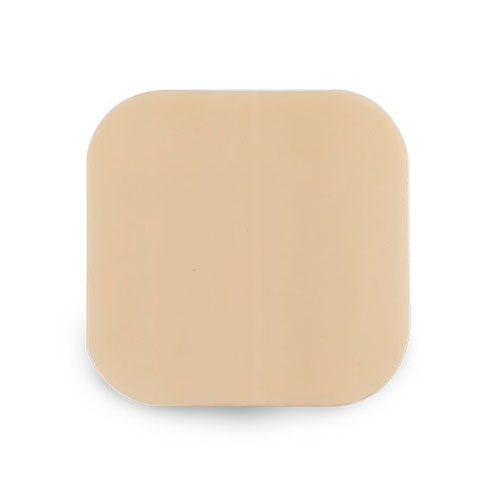
Hydrocolloid or Foam Dressings: Designed to absorb exudate over several days, these may last 3–7 days unless compromised.
Alginate or Hydrofiber Dressings: Used for heavily draining wounds, these may require changes every 1–2 days.
Signs It’s Time to Change the Wound Dressing
Even if guidelines suggest a specific interval, certain signs indicate an immediate need for replacement:
Exudate Leakage: Fluid escaping the dressing edges increases infection risk.
Foul Odor or Discoloration: These may signal infection or tissue breakdown.
Adherence to the Wound: If the dressing sticks to the skin, it should be moistened and removed gently to avoid re-injury.
Visible Dirt or Debris: Contaminants can delay healing and introduce pathogens.
Pain or Itching: Discomfort may indicate an allergic reaction to adhesive or improper dressing application.
Best Practices for Wound Dressing Changes
1.Wash Hands Thoroughly: Use soap and water or alcohol-based sanitizer to minimize contamination.
2.Clean the Wound: Gently irrigate with saline or a prescribed cleanser before applying a new dressing.
3.Apply Antiseptics Cautiously: Overuse can damage healthy tissue; follow healthcare provider instructions.
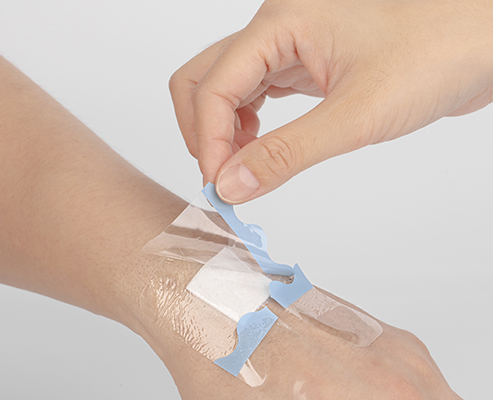
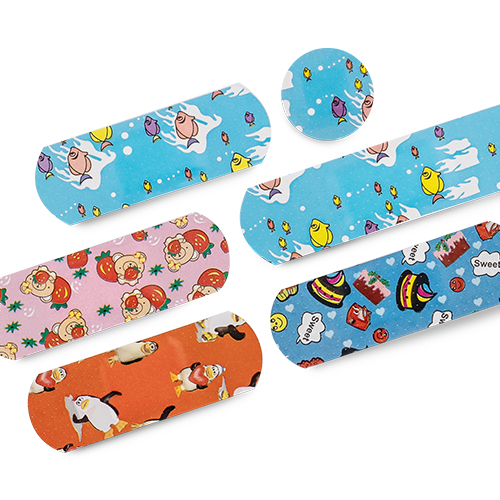
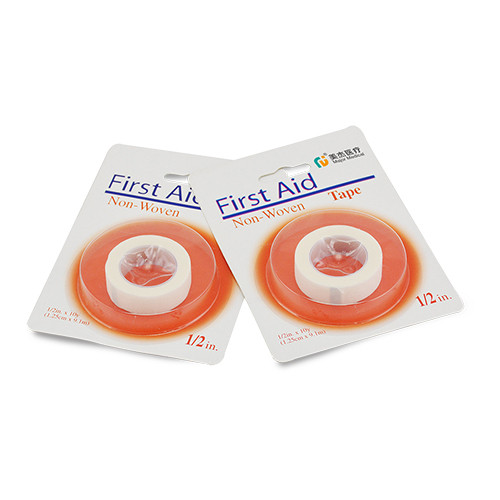
4.Secure the Dressing: Use non-irritating tape or bandages to keep it in place without restricting circulation.
5.Document Changes: Note the date, appearance of the wound, and any unusual symptoms to track progress.
Conclusion
Determining how often to change a wound dressing requires balancing the wound’s condition, healing stage, and dressing type. While acute or infected wounds may need daily attention, chronic or stable wounds can often tolerate longer intervals. Always prioritize signs of complications—such as leakage, odor, or pain—over rigid schedules. Modern wound dressings are engineered to optimize healing, but their effectiveness depends on proper application and timely replacement. By staying vigilant and adaptable, caregivers and patients alike can ensure that wound dressings serve their primary purpose: protecting the wound while fostering a sterile, supportive environment for recovery. Remember, when in doubt, consult a healthcare professional to tailor the approach to your specific needs. The right wound dressing strategy is not just about frequency—it’s about responsiveness to the wound’s evolving needs.


Changzhou Major Medical Products Co., Ltd. was established in June 2005, focusing on the field of medical supplies for 17 years. It is a high-tech enterprise that is quality-oriented, engaged in the research and development, production and sales of advanced medical dressings.