




![[Exhibition Preview] Meijie Medical will meet you with new products at the 134th Canton Fair](http://www.czmajor.com/uploadfiles/128.1.164.27/webid2076/newsimg/202511/691d21b71c14b.jpg)

News Categories

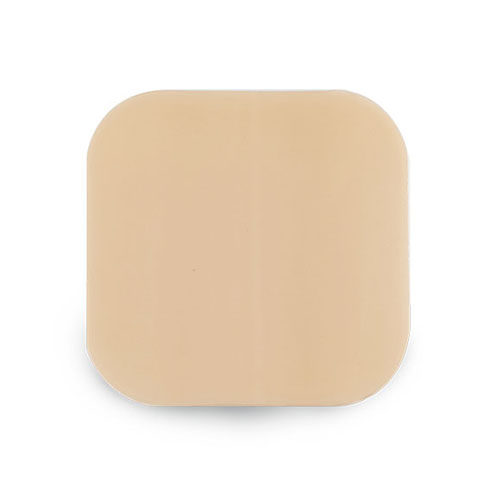
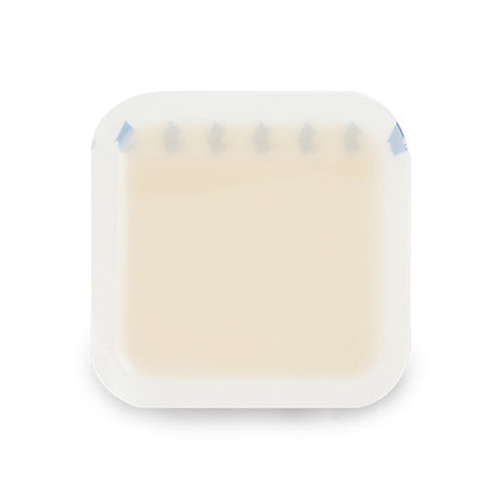
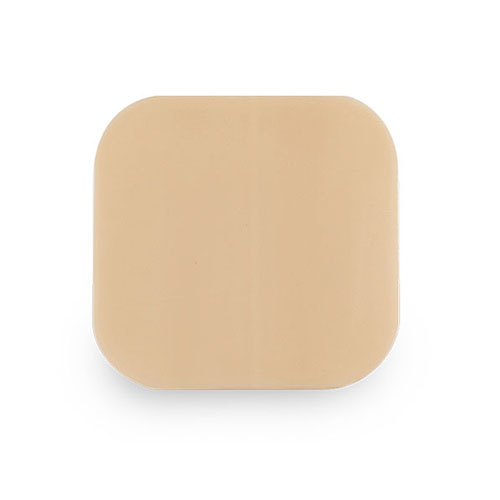
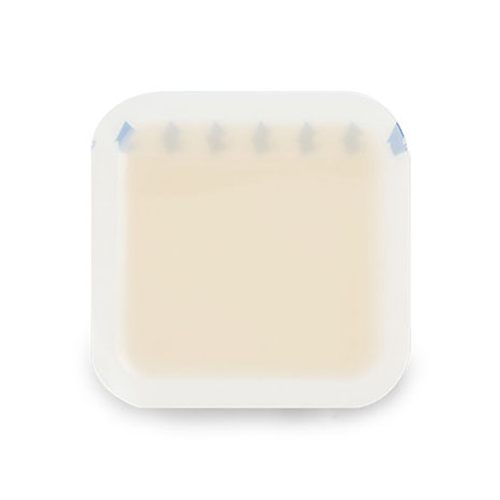
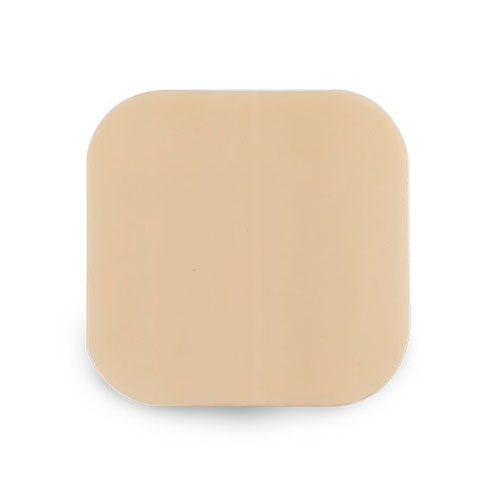
Hydrocolloid dressings have become a cornerstone of modern wound care due to their unique ability to create an optimal healing environment while minimizing patient discomfort and nursing burden. These dressings, composed of gel-forming agents like carboxymethylcellulose, gelatin, and pectin embedded in a waterproof outer layer, interact dynamically with wound exudate to form a protective gel matrix. However, determining the ideal replacement frequency requires balancing clinical efficacy, wound characteristics, and practical considerations. This article synthesizes current evidence to provide actionable guidance on hydrocolloid dressing change intervals.
Core Principles of Hydrocolloid Dressing Function
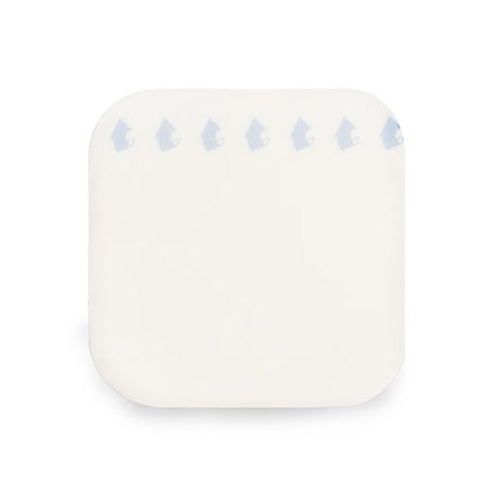
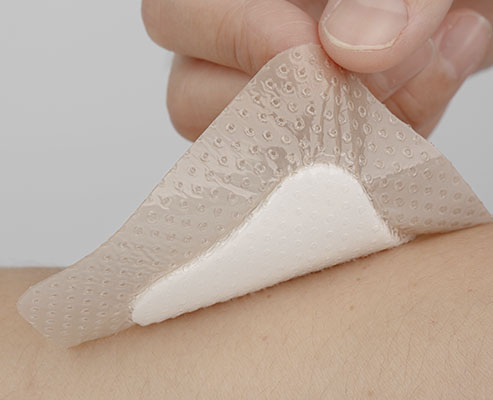
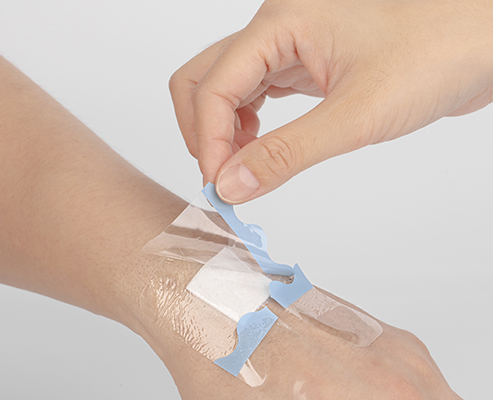
The defining feature of hydrocolloid dressings lies in their dual-layer structure: an inner absorbent layer that swells upon contact with exudate, and an outer polyurethane film that maintains a barrier against bacteria and external contaminants. This design enables three critical functions:
1.Autolytic Debridement:The moist environment softens necrotic tissue, facilitating natural enzymatic breakdown without mechanical trauma.
2.Exudate Management:The gel matrix retains fluid while allowing controlled vapor transmission, preventing maceration.
3.Microenvironment Control: By maintaining a pH-balanced, hypoxic environment, these dressings accelerate angiogenesis and granulation tissue formation.
Clinical studies demonstrate that hydrocolloid dressings reduce healing times by 30-50% compared to traditional gauze, particularly for low-to-moderate exudating wounds. Their adhesive properties also eliminate the need for secondary taping, reducing skin trauma during changes.

Factors Influencing Replacement Frequency
1.Wound Exudate Level
The primary determinant of change intervals is the volume and consistency of wound fluid:
Low Exudate (Scant to Minimal): Dressings may remain intact for 5-7 days under compression therapy or on dry wounds like superficial abrasions. A 2023 systematic review found that 72% of venous leg ulcers treated with hydrocolloids under compression required changes only every 6-7 days.
Moderate Exudate: For pressure ulcers or surgical sites with moderate drainage, replacement every 3-5 days is typical. A 12-week trial of 30 lower limb ulcer patients reported an average change interval of 4.1 days, with no increased infection rates despite the longer wear time.
High Exudate: While hydrocolloids are not first-line for heavily draining wounds, some advanced formulations (e.g., those with superabsorbent polymers) can manage moderate-heavy exudate for up to 3 days. However, saturation signs (e.g., leakage, edge lifting) necessitate immediate replacement.
2.Wound Type and Stage
Superficial Wounds: Minor burns, lacerations, or skin graft donor sites often tolerate 5-7 day wear due to limited tissue damage and exudate production.
Chronic Ulcers: Diabetic foot ulcers and venous ulcers typically require 3-5 day changes, as their healing trajectories involve prolonged inflammatory phases with fluctuating exudate levels.
Infected Wounds: While hydrocolloids create a barrier to external pathogens, established infections demand more frequent assessment. Some protocols recommend daily evaluation with changes every 2-3 days if signs of infection persist.
3.Patient-Specific Factors
Anatomical Location: Joint flexion areas (e.g., knees, elbows) experience increased mechanical stress, often requiring 3-day changes to prevent edge detachment. Conversely, flat surfaces like the sacrum may support 7-day wear.
Compression Therapy: When used under compression bandages, hydrocolloid dressings demonstrate extended wear times (up to 7 days) due to reduced edema and exudate volume. A 2022 RCT of 120 venous ulcer patients found no difference in healing rates between 3-day and 7-day changes under compression.
Patient Mobility: Active patients may dislodge dressings sooner, necessitating more frequent changes despite low exudate.
Clinical Signs Indicating Early Replacement
Even within recommended intervals, certain signs warrant immediate dressing change:
Leakage: Fluid escaping beyond the dressing edges increases infection risk.
Edge Lifting: >30% detachment compromises the bacterial barrier, requiring replacement.
Discoloration: The dressing turning white indicates saturation, while foul odors may signal infection.
Patient Discomfort: Itching or pain under the dressing often resolves with replacement.
Cost-Effectiveness and Practical Considerations
Hydrocolloid dressings reduce total nursing time by 40% compared to daily gauze changes, offsetting their higher unit cost. A 2021 health economic analysis showed that extending wear from 3 to 5 days lowered annual wound care costs by $1,200 per patient in outpatient settings. However, improper application (e.g., inadequate skin preparation, failure to warm the dressing) can reduce adhesion, necessitating premature changes.
Conclusion
Hydrocolloid dressings represent a paradigm shift in wound management by balancing efficacy with patient-centered care. The optimal change frequency hinges on exudate volume, wound type, and anatomical factors, typically ranging from 3 to 7 days. For low-exudating wounds under compression, 7-day wear is both safe and cost-effective, while moderate exudate wounds generally require 3-5 day changes. Clinicians must remain vigilant for signs of saturation or infection, adjusting intervals accordingly. By tailoring hydrocolloid dressing protocols to individual wound dynamics, practitioners can maximize healing outcomes while minimizing disruption to patients' lives. As wound care evolves, hydrocolloid dressings will continue to play a pivotal role in delivering evidence-based, patient-friendly solutions.


Changzhou Major Medical Products Co., Ltd. was established in June 2005, focusing on the field of medical supplies for 17 years. It is a high-tech enterprise that is quality-oriented, engaged in the research and development, production and sales of advanced medical dressings.