



![[Exhibition Preview] Meijie Medical will meet you with new products at the 134th Canton Fair](http://www.czmajor.com/uploadfiles/128.1.164.27/webid2076/newsimg/202511/691d21b71c14b.jpg)

News Categories

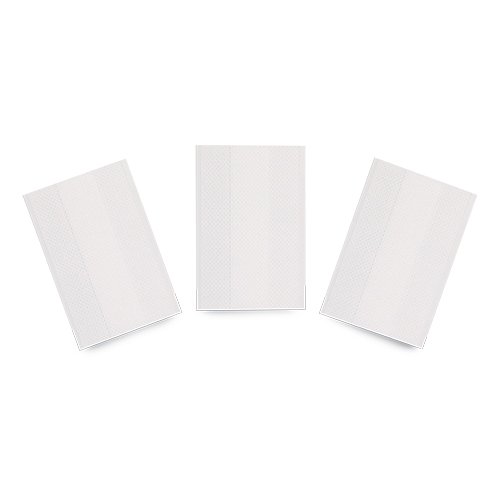
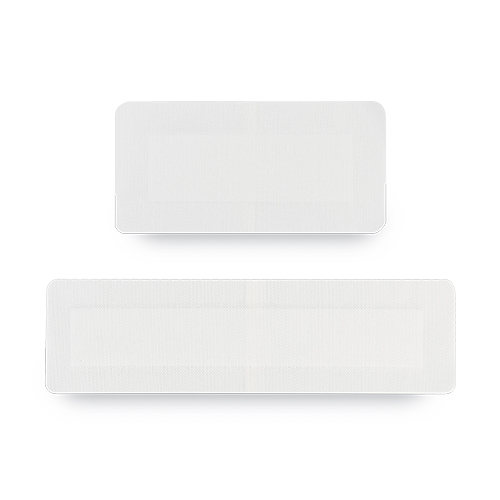
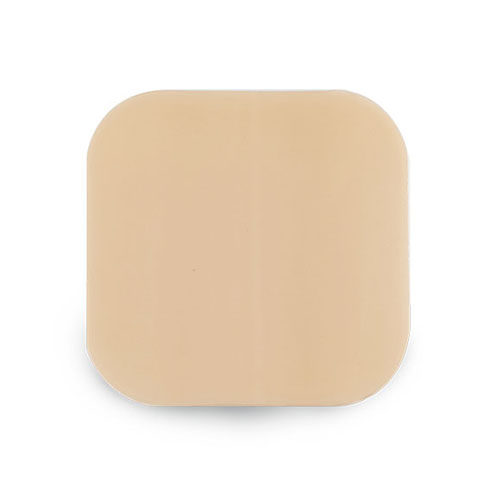
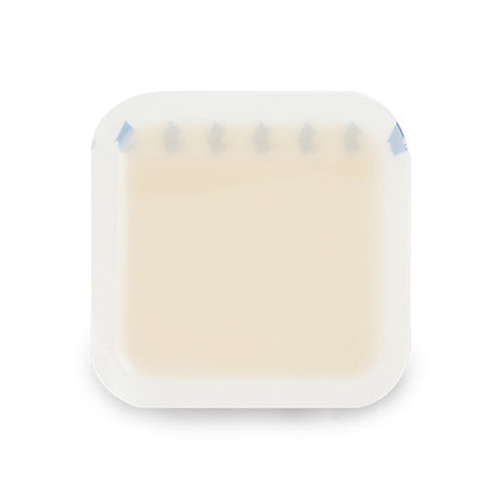
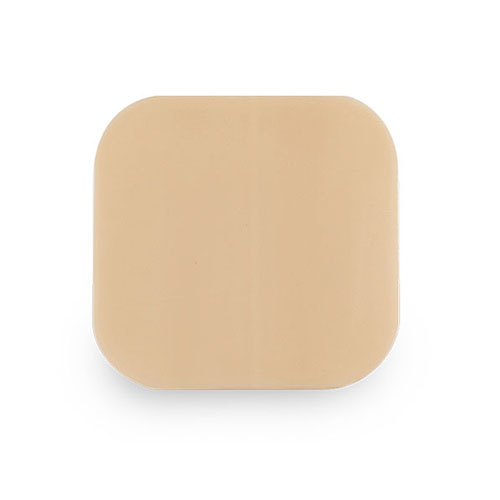
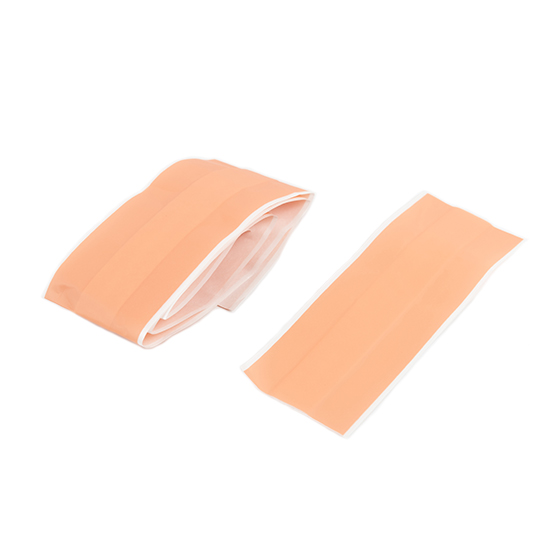
Adhesive dressing, a cornerstone of modern wound care, represents a fusion of material science and clinical innovation. Defined as a self-adhesive medical covering designed to protect wounds while managing exudate and promoting healing, these dressings have evolved from simple cloth patches to sophisticated multi-layer systems. Their global market penetration exceeds $12 billion annually, reflecting their indispensable role in healthcare systems worldwide.
Composition and Structural Design
Modern adhesive dressings typically consist of three functional layers:
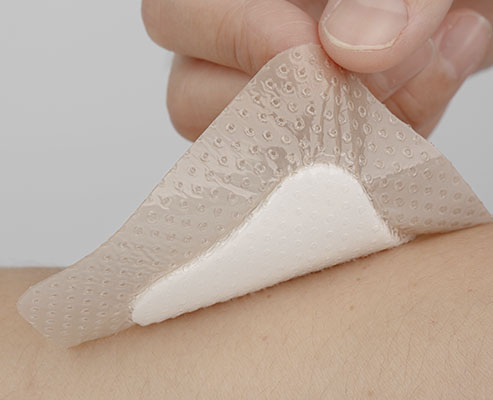
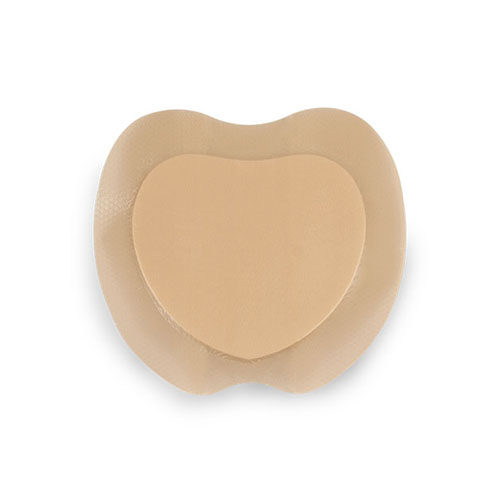
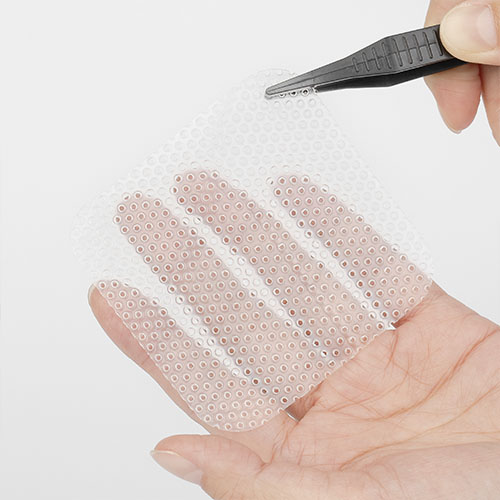
1.Contact Layer:This wound-facing interface employs non-stick materials like silicone or hydrocolloid. For instance, the Allevyn Adhesive Dressing incorporates a perforated non-adherent film that prevents tissue trauma during removal while allowing exudate passage.
2.Absorbent Core:Polyurethane foam or hydrofiber matrices dominate this layer. The 3M Tegaderm Foam Adhesive Dressing demonstrates this with its convoluted foam structure capable of absorbing 10-15ml/cm² of exudate—10 times more than traditional gauze.
3.Adhesive Backing:Medical-grade acrylic or hydrocolloid adhesives ensure secure fixation without skin maceration. The Jubilee dressing system, used in orthopedic surgeries, combines hydrofiber inner layers with viscoelastic hydrocolloid outer layers, reducing blistering rates from 15% to 8% compared to standard adhesive dressings.
Clinical Applications and Efficacy
The versatility of adhesive dressings spans acute to chronic wound management:
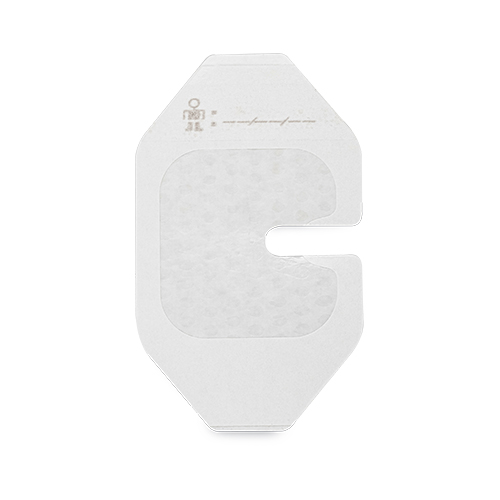
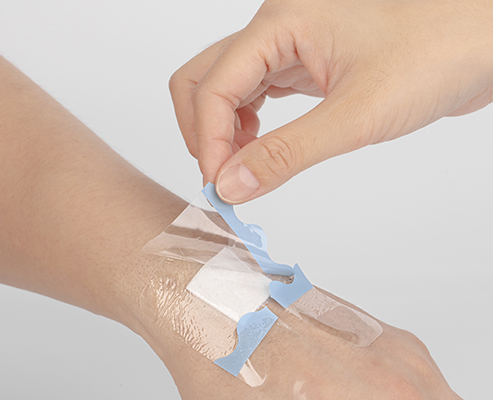
Acute Wounds:Post-surgical incisions benefit from transparent film dressings like 3M Tegaderm, which provide bacterial barriers while permitting wound visualization. A 2010 study comparing 124 total hip/knee arthroplasty patients showed that hydrofiber-hydrocolloid combinations reduced dressing changes by 62% versus traditional adhesive dressings.
Chronic Ulcers:For diabetic foot ulcers, silver-containing adhesive dressings like Contreet Foam demonstrate 98% bacterial reduction within 48 hours. The Allevyn Adhesive Dressing's multi-layer design maintains a moist healing environment, accelerating granulation tissue formation by 30% compared to dry dressings.
Burn Management:Hydrogel adhesive dressings like Weifang Hota's product line reduce wound temperature by 2-3°C through endothermic reactions, alleviating pain while donating moisture to dry eschar.
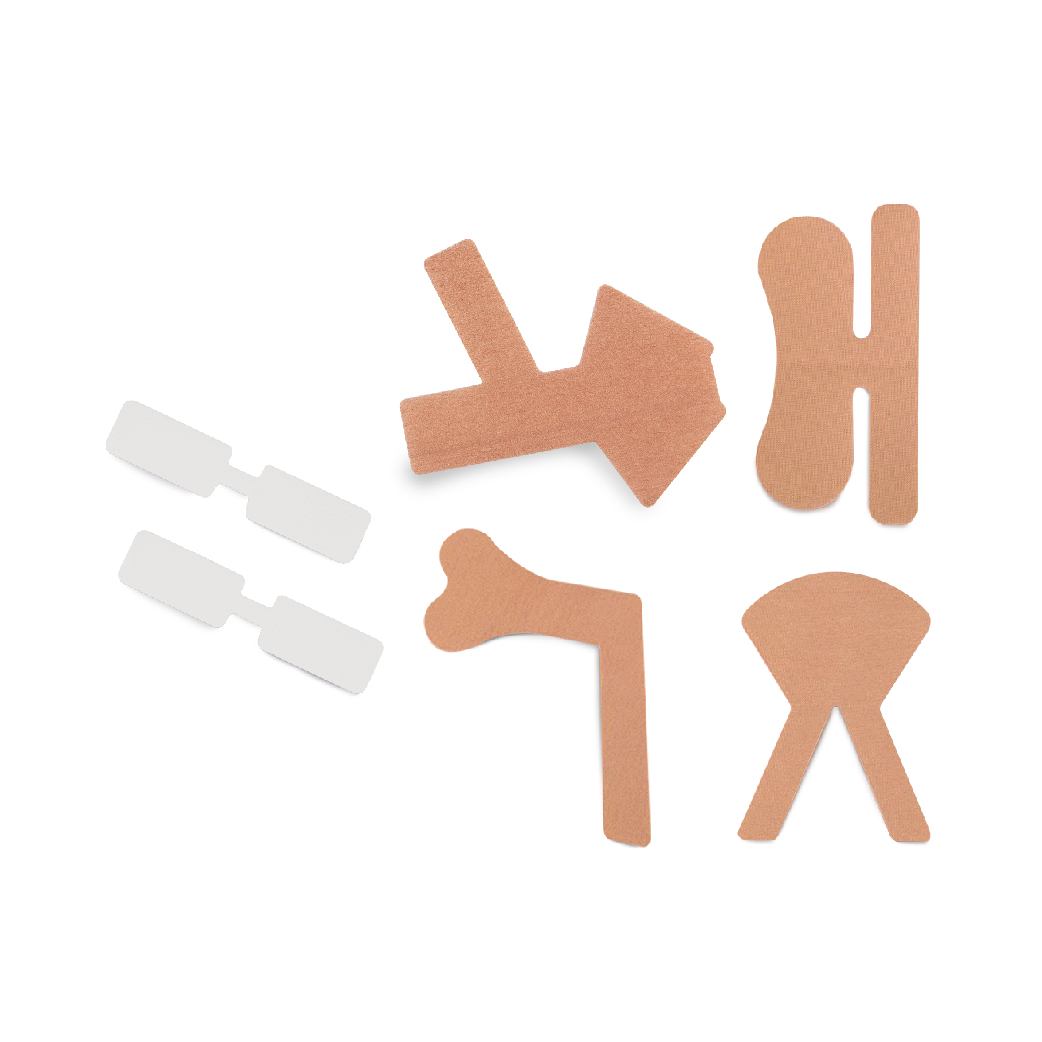
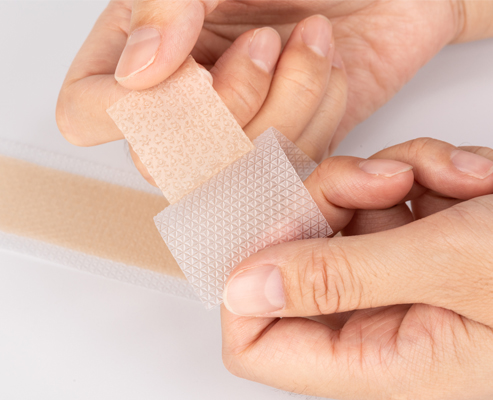
Specialized variants address niche clinical needs.The Ossur adhesive dressing, patented in Iceland, uses micro-patterned adhesive matrices that reduce skin stripping by 76% during removal. For infected wounds, color-changing adhesive dressings with bacterial-responsive indicators enable early detection of colonization, as demonstrated in prosthetic joint infection models.
Technological Innovations
Material advancements continue to redefine adhesive dressing capabilities:
Smart Dressings:Embedded pH sensors in dressings like Vomaris's Procellera can detect infection by monitoring wound bed alkalinity, with wireless data transmission to healthcare providers.
Biodegradable Adhesives:Chitosan-based formulations from Nantong Jianan Medical degrade within 72 hours, eliminating adhesive residue while maintaining 48-hour wear time.
3D-Printed Customization:Stratasys's BioMimics technology enables patient-specific dressing production, with pore sizes adjustable from 50-500μm to match exudate viscosity profiles.
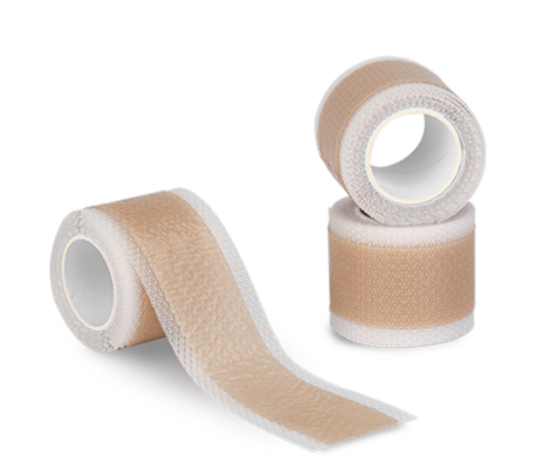
The COVID-19 pandemic accelerated innovation, with companies like Zibo Eastmed developing ethylene oxide-sterilized adhesive dressing rolls capable of maintaining sterility for 5 years—critical for pandemic stockpiling.
Conclusion
Adhesive dressing technology represents a dynamic intersection of clinical need and material innovation. From the hydrocolloid-based Jubilee system reducing surgical complications to smart dressings enabling remote wound monitoring, these products continue to redefine healing paradigms. As populations age and chronic wound prevalence rises, the adhesive dressing market is projected to grow at 6.8% CAGR through 2030, driven by demands for cost-effective, patient-centric solutions. The evolution from passive wound covers to active therapeutic devices underscores adhesive dressing's enduring relevance in modern healthcare, cementing its status as an indispensable tool in the wound care arsenal. Through continuous refinement of adhesive properties, absorption capacities, and diagnostic functionalities, adhesive dressings will remain at the forefront of efforts to optimize healing outcomes while minimizing patient discomfort and healthcare costs.


Changzhou Major Medical Products Co., Ltd. was established in June 2005, focusing on the field of medical supplies for 17 years. It is a high-tech enterprise that is quality-oriented, engaged in the research and development, production and sales of advanced medical dressings.