





![[Exhibition Preview] Meijie Medical will meet you with new products at the 134th Canton Fair](http://www.czmajor.com/uploadfiles/128.1.164.27/webid2076/newsimg/202511/691d21b71c14b.jpg)

News Categories

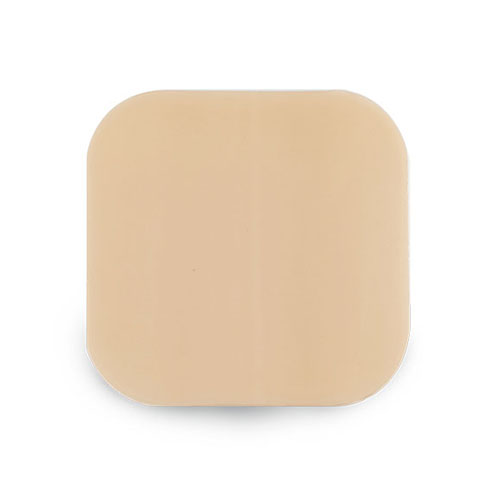
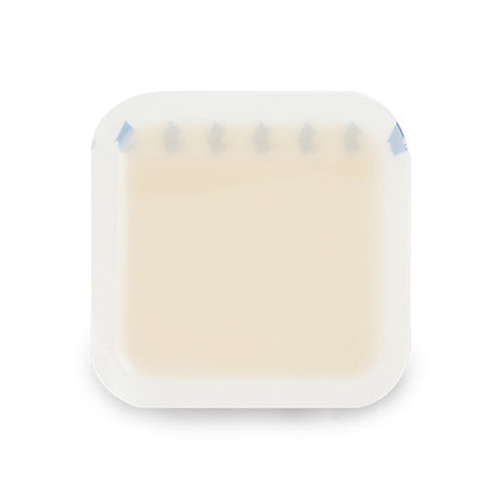
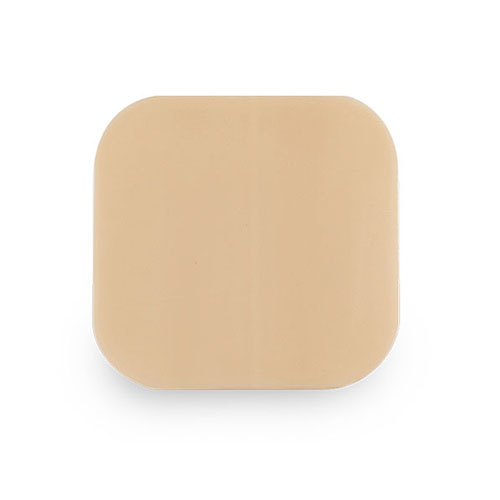
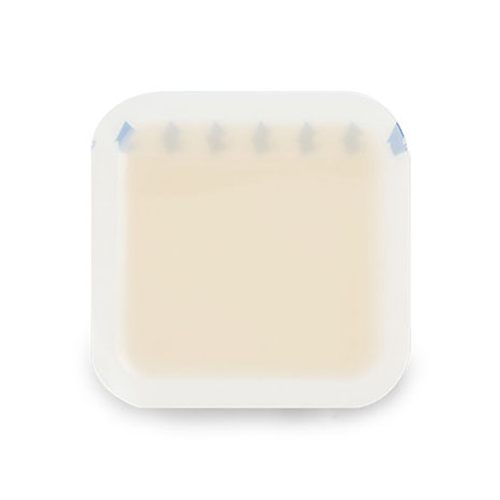
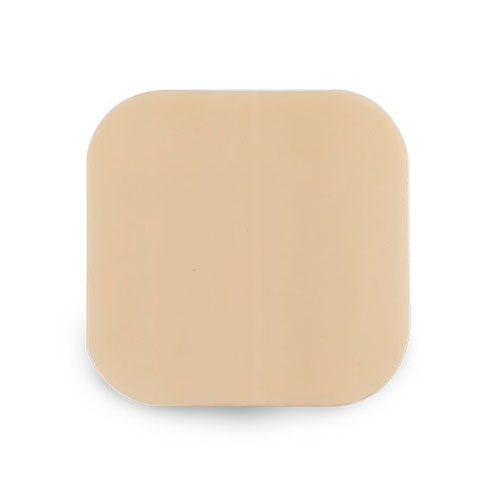
The development of modern wound care has been revolutionized by advanced materials designed to optimize healing environments. Among these innovations, hydrocolloid dressings have emerged as a cornerstone of both medical and cosmetic wound management. These semi-occlusive, biodegradable patches combine moisture control, microbial protection, and tissue regeneration support through a precisely engineered matrix. This article explores the scientific mechanisms underlying hydrocolloid dressings and their multifaceted role in wound healing.
Composition and Structural Design
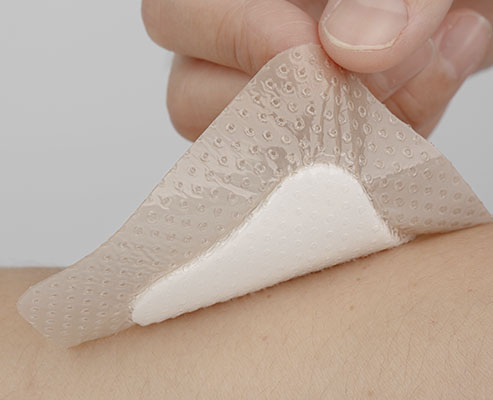
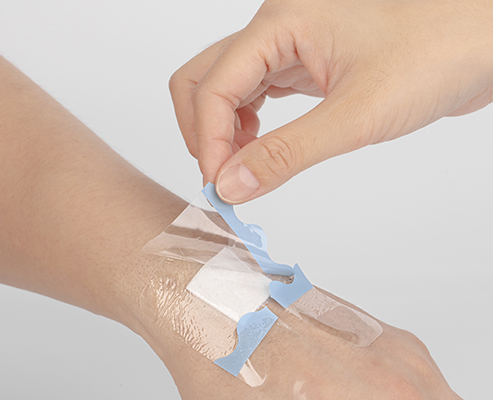
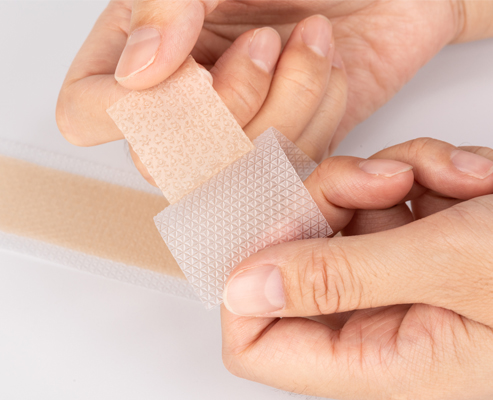
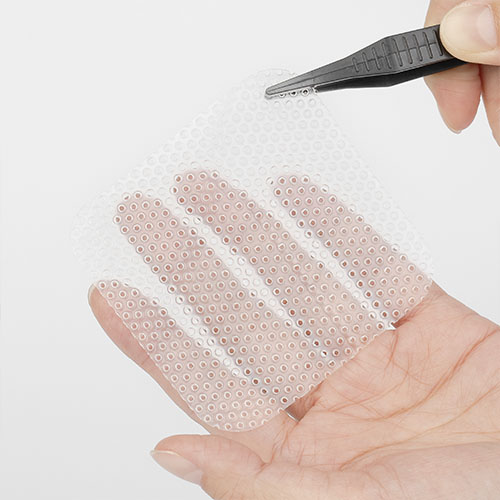
Hydrocolloid dressings derive their functionality from a synergistic combination of gel-forming polymers and adhesive matrices. The core component is typically sodium carboxymethylcellulose (CMC) or pectin, which are embedded in a polyurethane or silicone adhesive layer. This matrix is then applied to a semi-permeable backing film that regulates gas exchange while preventing external contaminants from penetrating the wound.
The CMC-based hydrogels exhibit unique swelling properties upon contact with wound exudate. A 2020 study in Nagoya Journal of Medical Science demonstrated that these polymers absorb up to 10 times their weight in fluid, forming a viscous gel that maintains optimal moisture levels. This contrasts sharply with traditional gauze dressings, which often desiccate wounds or trap excessive exudate, leading to maceration.
Moisture Management and Autolytic Debridement
Central to hydrocolloid dressings' efficacy is their ability to create a controlled microenvironment. When applied to a wound, the gel-forming agents interact with exudate to form a hydrated matrix that:
1.Maintains tissue hydration: A moist environment has been clinically proven to accelerate epithelialization by 40% compared to dry dressings, as shown in a 2024 meta-analysis of maxillofacial surgery wounds.
2.Facilitates autolytic debridement: The gentle hydration softens necrotic tissue without damaging healthy cells, enabling the body's own enzymatic processes to remove slough. This mechanism reduced debridement needs by 32% in diabetic foot ulcer trials.
3.Prevents eschar formation: By avoiding excessive moisture retention, hydrocolloid dressings prevent the tissue breakdown associated with maceration.
The semi-occlusive nature of these dressings creates a unique vapor pressure gradient. Water vapor permeability measurements indicate that hydrocolloid films allow 200-500 g/m²/24h of moisture evaporation while maintaining 95% relative humidity at the wound surface. This balance prevents dehydration without causing pooling of exudate.

Microbial Barrier and Infection Control
The polyurethane backing of hydrocolloid dressings serves as a physical barrier against bacterial invasion. Laboratory tests show that these films reduce bacterial penetration by 99.7% compared to conventional gauze. Additionally, the acidic pH (5.5-6.0) of the gel matrix creates an inhospitable environment for common wound pathogens like Staphylococcus aureus and Pseudomonas aeruginosa.
A randomized controlled trial involving 120 pressure ulcer patients demonstrated that hydrocolloid dressings reduced infection rates from 18% (with saline gauze) to 6% over a 4-week period. This protective effect stems from both the physical barrier and the gel's ability to sequester bacteria through electrostatic interactions with microbial cell walls.
Mechanical Protection and Pressure Redistribution
Beyond biochemical effects, hydrocolloid dressings provide critical mechanical support:
Shear force reduction: The smooth outer surface decreases friction between skin and support surfaces by 65%, as measured in biomechanical studies. This property reduced pressure ulcer incidence by 41% in a 200-patient ICU trial.
Impact absorption: The viscoelastic nature of the gel matrix dissipates mechanical stress, protecting delicate granulation tissue during movement.
Adhesive stability: Medical-grade adhesives ensure 7-day wear times without skin stripping, compared to 1-2 day longevity for traditional dressings.
Clinical Applications and Patient Outcomes
The versatility of hydrocolloid dressings has led to their adoption across multiple clinical scenarios:
Diabetic foot ulcers: A Cochrane review of 12 trials (n=1,026) found equivalent healing rates to advanced dressings but with 50% fewer dressing changes.
Postoperative wounds: In dermatologic surgery, single-application hydrocolloid dressings improved patient satisfaction scores by 38% versus daily gauze changes, primarily due to reduced pain during dressing removal.
Acne extraction sites: Specialized hydrocolloid patches for facial wounds demonstrated 27% faster healing of micro-abrasions compared to open exposure in a split-face study.
Conclusion
Hydrocolloid dressings represent a paradigm shift in wound management by integrating biochemical, microbial, and mechanical mechanisms into a single user-friendly platform. Their ability to maintain optimal moisture levels, prevent infection, and protect fragile tissue while minimizing dressing changes has made them indispensable in both hospital and home care settings. As research continues to refine gel formulations and backing materials, the hydrocolloid dressing will remain at the forefront of evidence-based wound care, offering clinicians a versatile tool to accelerate healing across diverse patient populations. The continued evolution of this technology underscores its potential to transform not only medical outcomes but also patient quality of life through more efficient, comfortable, and effective wound management solutions.


Changzhou Major Medical Products Co., Ltd. was established in June 2005, focusing on the field of medical supplies for 17 years. It is a high-tech enterprise that is quality-oriented, engaged in the research and development, production and sales of advanced medical dressings.