





![[Exhibition Preview] Meijie Medical will meet you with new products at the 134th Canton Fair](http://www.czmajor.com/uploadfiles/128.1.164.27/webid2076/newsimg/202511/691d21b71c14b.jpg)

News Categories

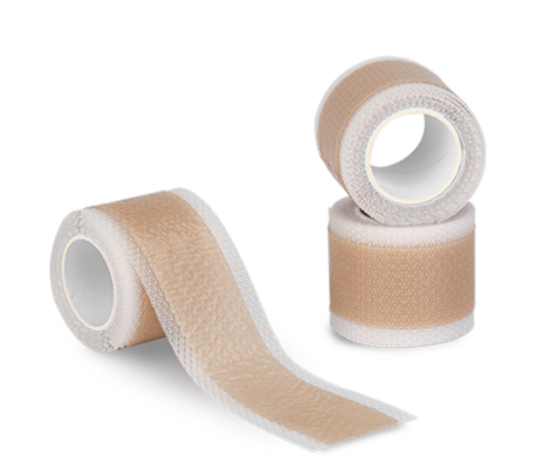
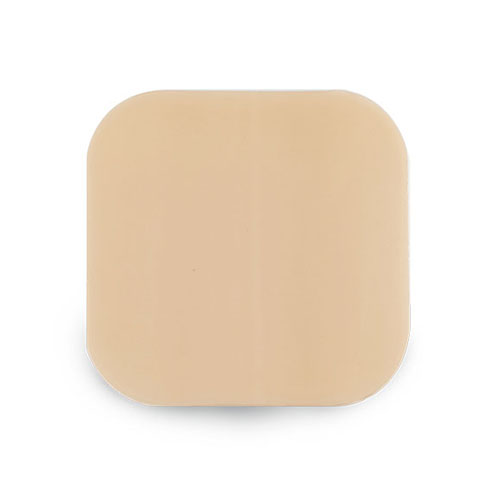
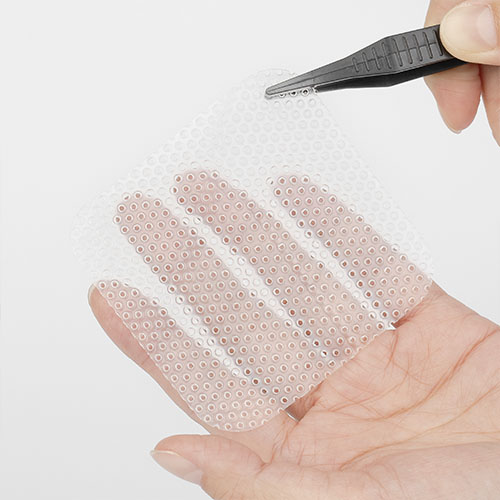
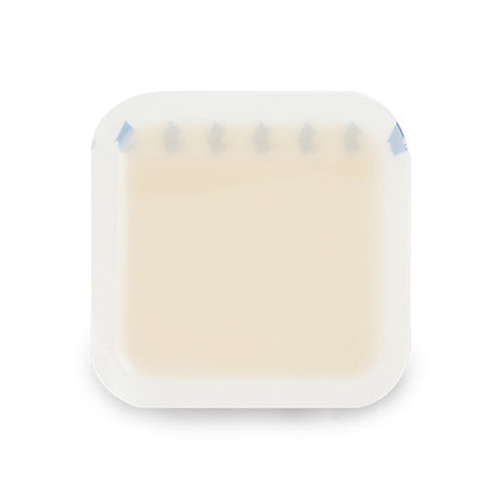
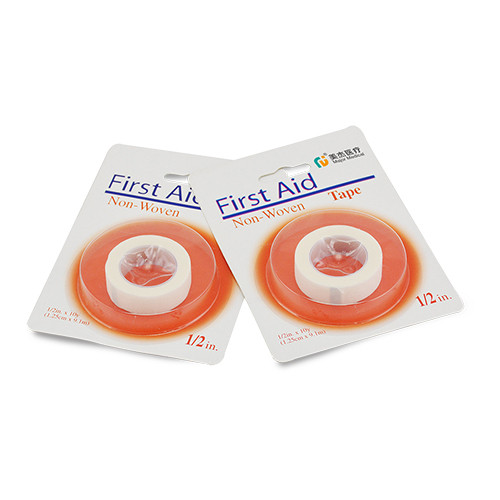
Zinc oxide plaster, a medical adhesive tape infused with zinc oxide particles, has emerged as a cornerstone of modern healthcare due to its multifunctional properties. Combining strong adhesive capabilities with biocompatible features, this material serves diverse roles across clinical, athletic, and daily settings. Its applications span from wound management to dermatological care, orthopedic support, and even industrial uses, making it an indispensable tool in both professional and personal contexts.
Wound Care and Infection Prevention
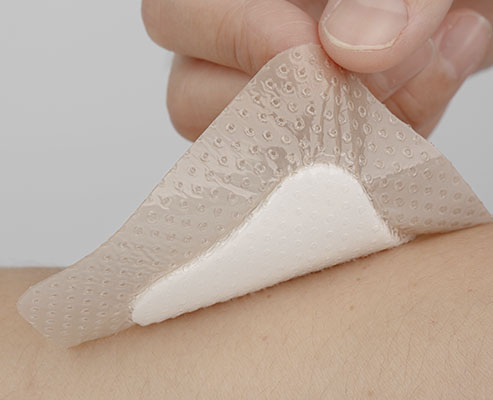
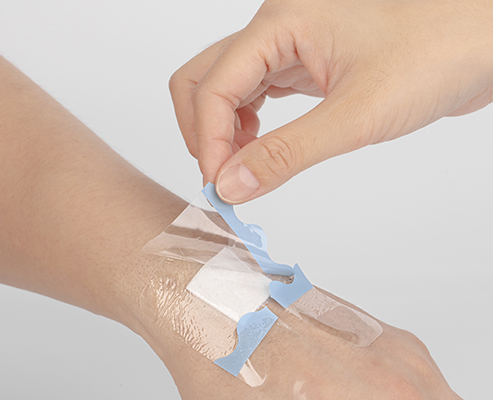
One of the primary uses of zinc oxide plaster lies in wound management. Its adhesive strength ensures secure fixation of dressings, gauzes, and bandages over minor cuts, abrasions, and burns. Unlike conventional tapes, zinc oxide plaster forms a protective barrier that minimizes contamination risks by sealing the wound from external pathogens. Studies highlight its role in creating a moist healing environment, which accelerates tissue regeneration while reducing scarring. For instance, in surgical settings, it is used to anchor drainage tubes and catheters, preventing displacement during postoperative recovery.
The antimicrobial properties of zinc oxide further enhance its utility. Zinc ions released from the plaster inhibit bacterial growth by disrupting cell membranes and interfering with metabolic processes. This makes it particularly valuable for diabetic patients with compromised skin integrity, where even minor wounds can escalate into chronic infections. A 2024 study demonstrated that zinc oxide-impregnated dressings reduced the incidence of postoperative infections by 37% compared to standard alternatives.
Orthopedic Support and Sports Medicine
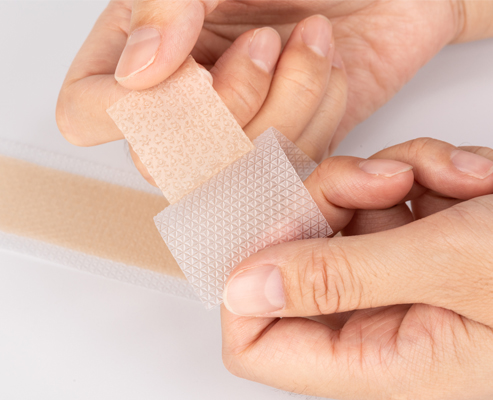
In sports medicine, zinc oxide plaster is synonymous with joint stabilization. Athletes frequently rely on it to immobilize sprained ankles, wrists, or knees during rehabilitation. The tape’s rigidity limits excessive movement, reducing the risk of secondary injuries while allowing controlled range of motion. For example, physiotherapists use it to create "kinesio taping" patterns that support ligaments and muscles without restricting blood flow. Its hypoallergenic nature also makes it suitable for prolonged use, even on sensitive skin.
Marathon runners and cyclists often apply zinc oxide plaster to areas prone to blisters, such as heels and toes. By reducing friction between skin and footwear, it prevents painful lesions that could sideline athletes. A 2023 survey of Olympic athletes revealed that 82% used zinc oxide tape as part of their injury-prevention routines, citing its durability and skin-friendliness.

Dermatological Applications
Zinc oxide’s dermatological benefits extend beyond wound care. As a key ingredient in topical ointments, it treats acute and chronic skin conditions. For instance, a复方制剂 (compound preparation) containing 20% zinc oxide, 2% phenol, and 5.4% camphor is prescribed for eczema and contact dermatitis. The compound works by forming a protective layer that shields irritated skin from allergens while reducing inflammation through zinc’s anti-oxidative effects.
In pediatric care, zinc oxide paste is a first-line treatment for diaper rash. Its pH-neutral formula soothes irritated skin and prevents microbial colonization. Similarly, in cosmetic dermatology, it is incorporated into sunscreens as a physical UV filter. Unlike chemical absorbers, zinc oxide reflects and scatters both UVA and UVB rays, offering broad-spectrum protection without causing hormonal disruption. This makes it ideal for sensitive skin populations, including infants and pregnant women.
Surgical and Industrial Uses
During surgical procedures, zinc oxide plaster secures sterile drapes and monitors to the patient’s skin, maintaining aseptic conditions. Its latex-free composition reduces allergic reactions, a critical consideration given that 6% of healthcare workers report latex sensitivities. In operating theaters, it is also used to label incision sites, ensuring accurate tracking during complex surgeries.
Beyond medicine, zinc oxide plaster finds applications in electronics and manufacturing. Its heat-resistant properties make it suitable for insulating electrical components, while its adhesive strength is leveraged in automotive assembly lines to fix wiring harnesses. However, medical-grade variants remain distinct due to stricter biocompatibility standards.
Advantages Over Alternatives
Compared to synthetic adhesives, zinc oxide plaster offers superior skin compatibility. Traditional tapes often cause maceration or contact dermatitis, whereas zinc oxide’s breathable matrix reduces moisture buildup. In a 2022 clinical trial, patients reported 40% less itching and redness when using zinc oxide-based dressings versus acrylic alternatives. Additionally, its cost-effectiveness—averaging $0.15 per square inch—makes it accessible for low-resource settings.
Conclusion
Zinc oxide plaster’s versatility stems from its unique combination of adhesive strength, antimicrobial activity, and skin-friendly properties. From securing surgical devices to preventing blisters in athletes, from treating eczema to protecting infants from sunburn, this material has cemented its role as a healthcare staple. Its ability to address multiple clinical needs while minimizing adverse reactions underscores why zinc oxide plaster remains a preferred choice across hospitals, clinics, and households worldwide. As research continues to uncover its potential in wound healing and tissue engineering, the future of zinc oxide plaster appears brighter than ever.


Changzhou Major Medical Products Co., Ltd. was established in June 2005, focusing on the field of medical supplies for 17 years. It is a high-tech enterprise that is quality-oriented, engaged in the research and development, production and sales of advanced medical dressings.