




![[Exhibition Preview] Meijie Medical will meet you with new products at the 134th Canton Fair](http://www.czmajor.com/uploadfiles/128.1.164.27/webid2076/newsimg/202511/691d21b71c14b.jpg)

News Categories

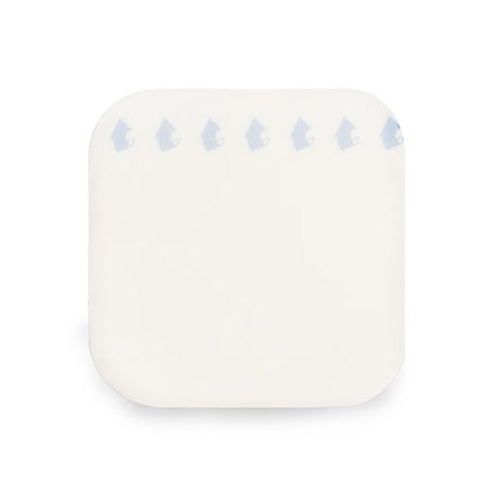
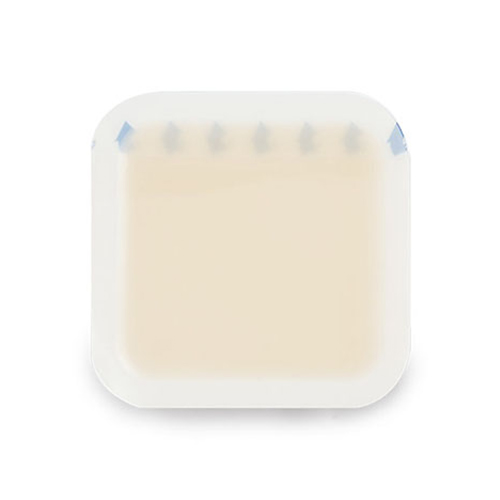
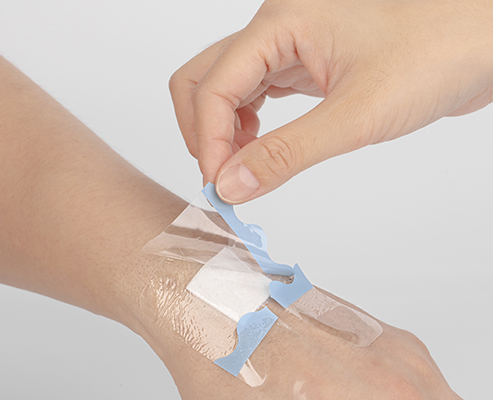
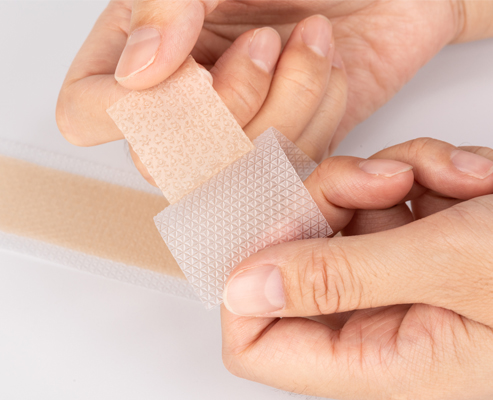
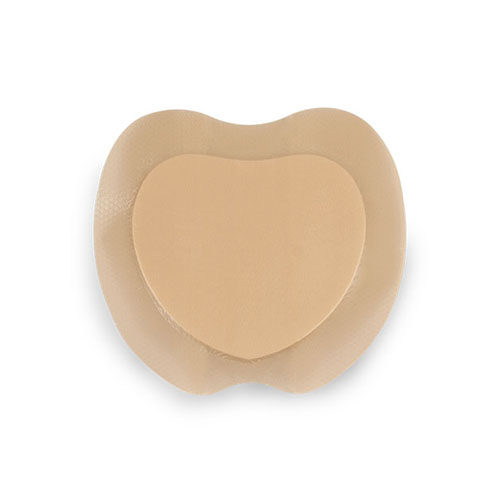
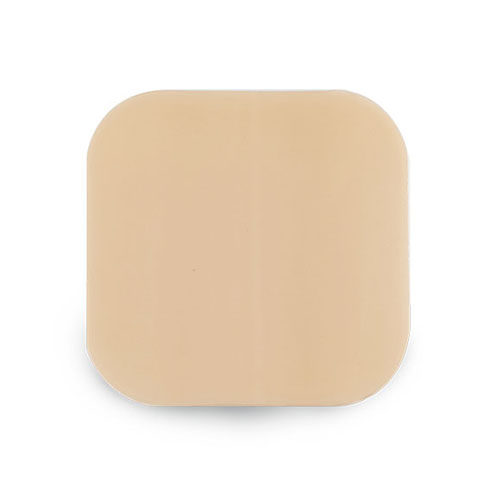
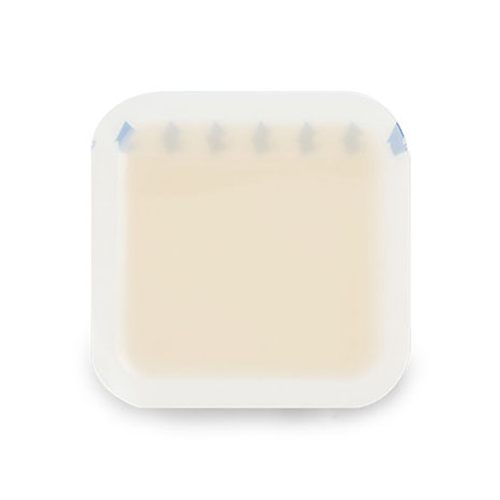
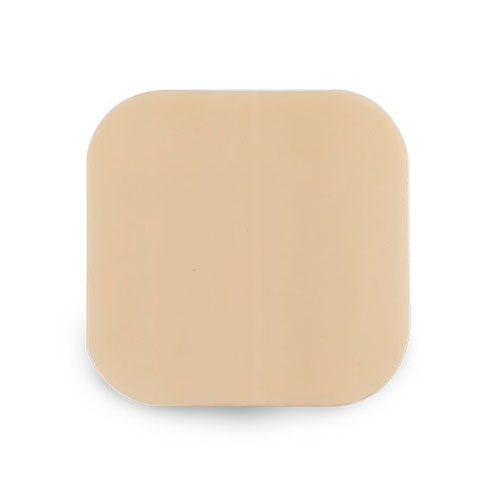
Hydrocolloid dressings have become a cornerstone of modern wound care, valued for their ability to create a moist healing environment while minimizing the need for frequent changes. These advanced dressings, composed of gel-forming agents like carboxymethyl cellulose and polyurethane, are designed to absorb exudate, maintain adhesion, and protect wounds from external contaminants. However, one of the most common questions patients and clinicians face is: How long can a hydrocolloid dressing stay on before requiring replacement? The answer depends on multiple factors, including wound type, exudate levels, and clinical indications.
Standard Wear Time: 3 to 7 Days
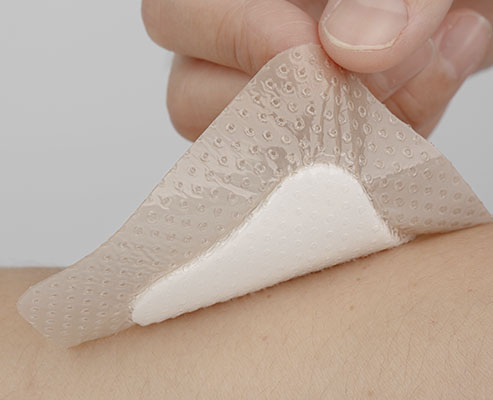
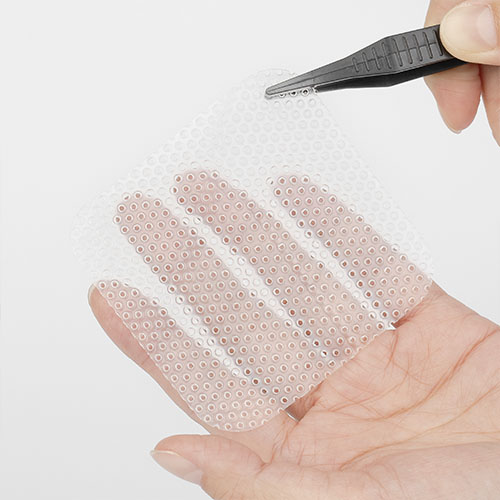
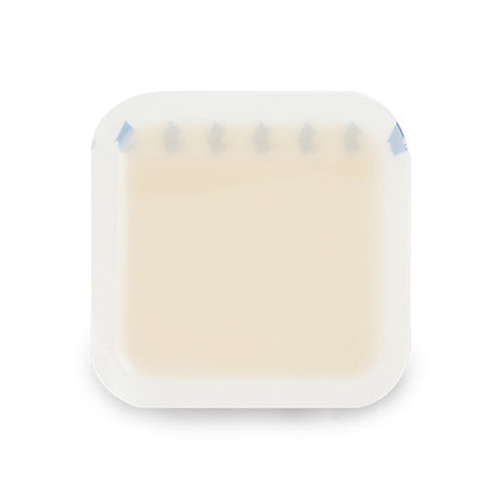
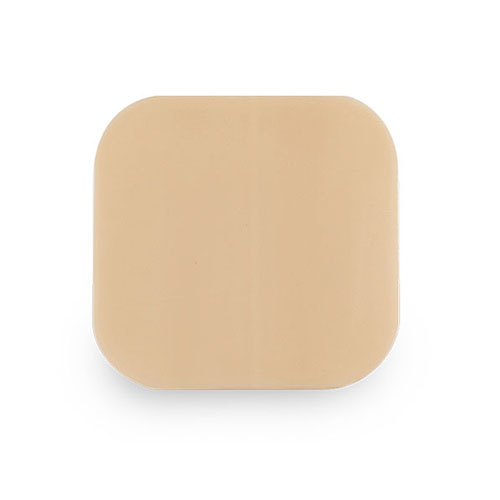
Most hydrocolloid dressings are engineered to remain in place for 3 to 7 days, a duration supported by clinical studies and manufacturer guidelines. This extended wear time is a key advantage over traditional gauze or film dressings, which often require daily changes. The dressing’s longevity stems from its dual-layer structure: an inner hydrocolloid matrix that absorbs exudate and swells into a gel, and an outer polyurethane film that acts as a waterproof barrier. This design not only reduces bacterial penetration but also maintains a stable moisture balance, which is critical for promoting angiogenesis and fibrinolysis—processes essential for tissue regeneration.
For example, a study published in Wound Care Practice demonstrated that hydrocolloid dressings applied to low-to-moderate exuding wounds (e.g., superficial burns, skin tears, or postoperative incisions) retained their integrity for up to 7 days, with no significant leakage or maceration of surrounding skin. Similarly, manufacturers like Elastoplast and Duoderm recommend changing the dressing only when it reaches 70% saturation with exudate or begins to lift at the edges.

Factors Influencing Wear Time
1.Exudate Volume:
The primary determinant of replacement frequency is the amount of wound fluid absorbed. Hydrocolloid dressings are most effective for wounds with low to moderate exudate, such as those in the granulation or epithelialization phase. For highly exudative wounds (e.g., infected ulcers or deep burns), the dressing may become saturated within 3 days, necessitating earlier replacement to prevent leakage and periwound skin damage. Conversely, dry wounds or those in the late healing stages may allow the dressing to stay on for the full 7 days.
2.Wound Location and Movement:
Joints or areas subject to friction (e.g., hands, knees, or sacral regions) may require more frequent changes due to mechanical stress. Warmed dressings, applied by gently rubbing between hands before placement, can improve adhesion in high-motion zones.
3.Infection Risk:
Hydrocolloid dressings are not recommended for actively infected wounds unless used in conjunction with systemic antibiotics. Signs of infection (e.g., increased pain, redness, or purulent discharge) warrant immediate removal and clinical reassessment.
4.Patient-Specific Factors:
Diabetic patients or those with compromised circulation (e.g., venous leg ulcers) need careful monitoring. While hydrocolloid dressings can be used cautiously in these populations, clinicians must ensure the dressing does not mask early signs of infection or ischemia.
Clinical Benefits of Prolonged Wear
The extended wear time of hydrocolloid dressings offers several advantages:
Reduced Pain and Trauma: Fewer dressing changes minimize disruption to the wound bed, lowering the risk of re-injury and pain during removal.
Cost-Effectiveness: Despite higher upfront costs, hydrocolloid dressings are more economical over time due to fewer replacements.
Improved Quality of Life: Waterproof designs allow patients to shower or swim without compromising protection, enhancing mobility and compliance.
Conclusion: The Role of Hydrocolloid Dressing in Modern Wound Care
Hydrocolloid dressings represent a paradigm shift in wound management, balancing efficacy with patient convenience. Their ability to stay on for 3 to 7 days—or until 70% saturated—makes them ideal for low-to-moderate exuding wounds in stable healing phases. By creating a moist, protective environment, hydrocolloid dressings accelerate healing while reducing the need for frequent interventions. However, clinicians must tailor wear time to individual wound characteristics, exudate levels, and patient needs. When used appropriately, hydrocolloid dressings remain a versatile and indispensable tool in promoting optimal wound outcomes. As research continues to refine their formulations, the hydrocolloid dressing’s role in both acute and chronic wound care is poised to expand, solidifying its status as a gold-standard dressing in modern practice.


Changzhou Major Medical Products Co., Ltd. was established in June 2005, focusing on the field of medical supplies for 17 years. It is a high-tech enterprise that is quality-oriented, engaged in the research and development, production and sales of advanced medical dressings.