





![[Exhibition Preview] Meijie Medical will meet you with new products at the 134th Canton Fair](http://www.czmajor.com/uploadfiles/128.1.164.27/webid2076/newsimg/202511/691d21b71c14b.jpg)

News Categories

Wound care is a critical component of recovery, and the duration for which a wound dressing remains in place plays a pivotal role in preventing infections, promoting healing, and minimizing scarring. However, determining the optimal time to change or remove a wound dressing is not always straightforward. It depends on factors such as the type of wound, the stage of healing, the type of dressing used, and individual patient needs. This article explores the guidelines and considerations for managing wound dressings effectively to ensure optimal outcomes.
Understanding the Purpose of Wound Dressings
Before discussing timing, it’s essential to understand why wound dressings are used. These medical products serve multiple functions: they protect the wound from external contaminants like bacteria and dirt, absorb excess exudate (fluid), maintain a moist healing environment, and sometimes deliver medications or antimicrobial agents. The right wound dressing can accelerate healing by creating ideal conditions for tissue regeneration, while the wrong one or improper use may delay recovery or increase infection risk.
Factors Influencing Dressing Duration
1.Type of Wound
Acute Wounds: These include cuts, abrasions, or surgical incisions. For clean, superficial wounds, dressings might be changed every 24–48 hours initially, then less frequently as healing progresses.
Chronic Wounds: Conditions like diabetic ulcers or pressure sores often require longer-lasting dressings, sometimes left in place for up to seven days, depending on exudate levels and infection risk.
Infected Wounds: If signs of infection (redness, swelling, pus) appear, dressings may need more frequent changes—even daily—until the infection is controlled.
2.Stage of Healing
Inflammatory Phase (Days 1–5): The wound is vulnerable to infection, so dressings should remain intact to shield it from pathogens.
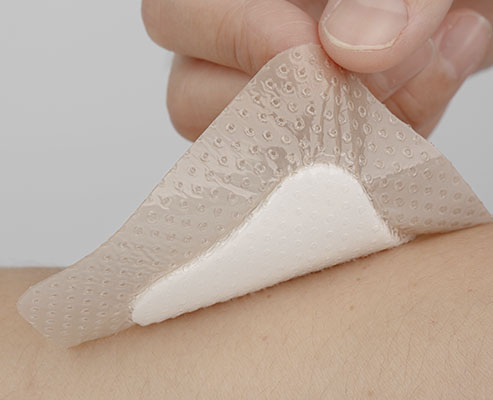
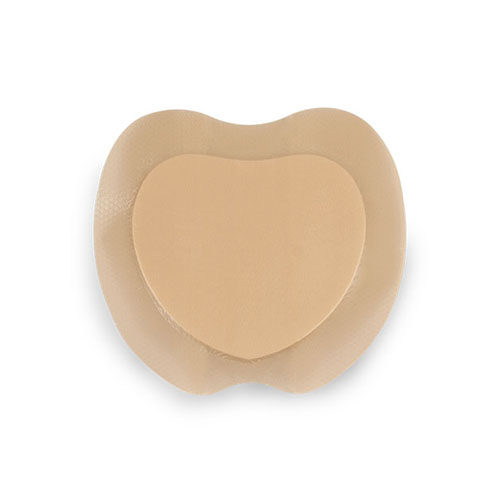
Proliferative Phase (Days 5–21): New tissue forms, and exudate production may increase. Hydrocolloid or foam dressings, which can handle moisture, might stay on longer.
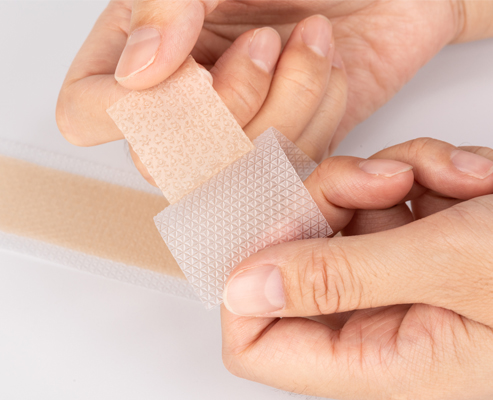
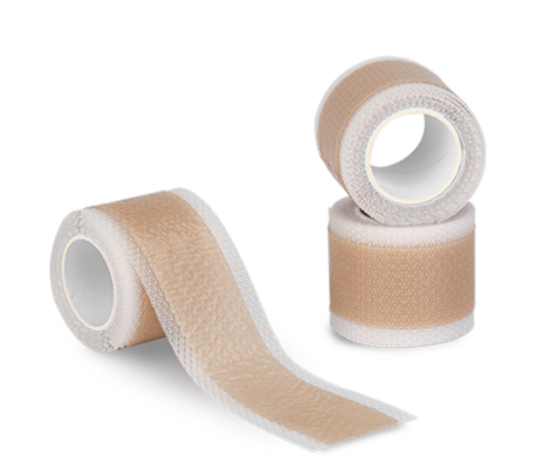
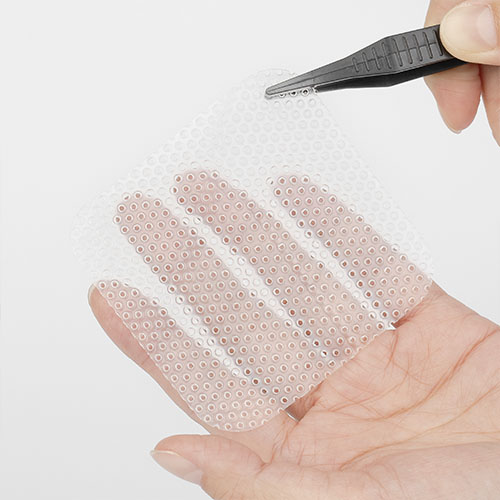
Maturation Phase (21+ Days): As the wound closes, dressings may transition to scar-minimizing options like silicone sheets, which can be worn for several days.
3.Type of Dressing
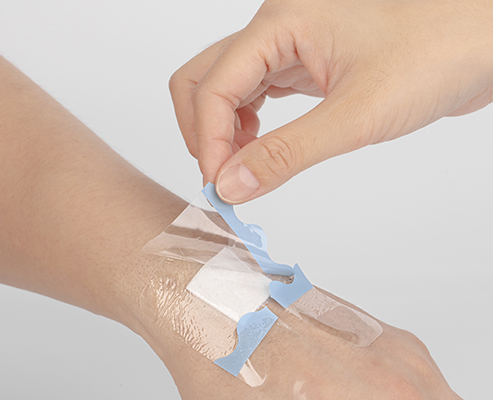
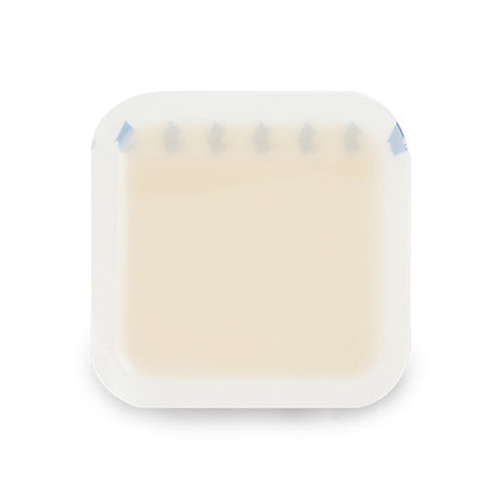
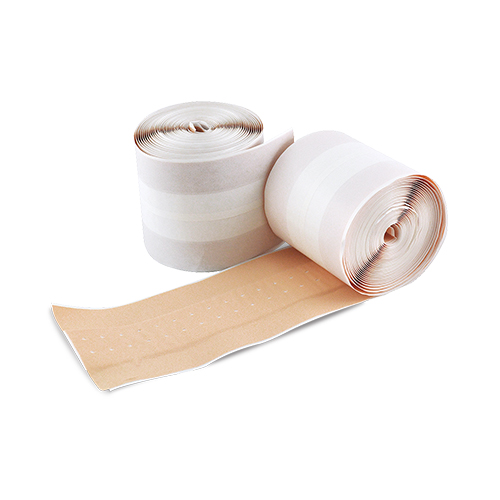
Transparent Films: These thin, adhesive dressings are waterproof and allow visualization of the wound. They typically last 3–7 days unless compromised by moisture or damage.
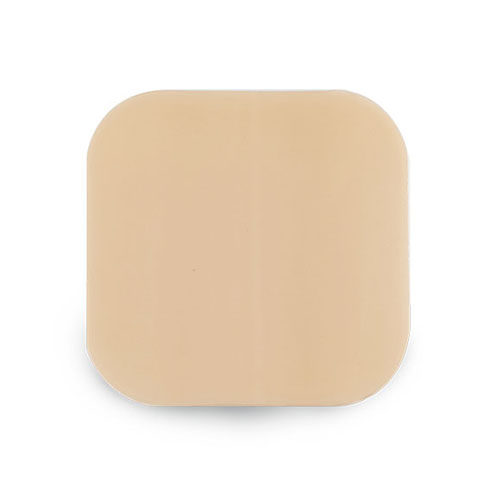
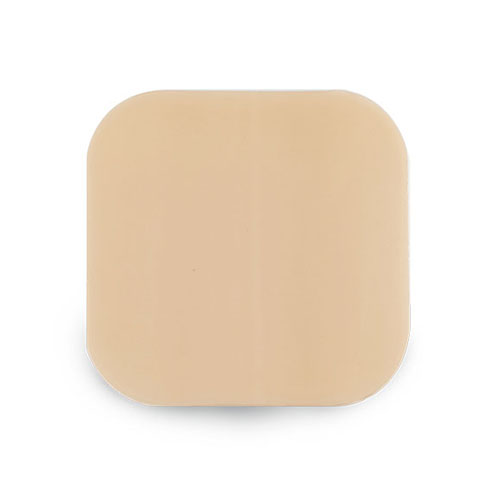
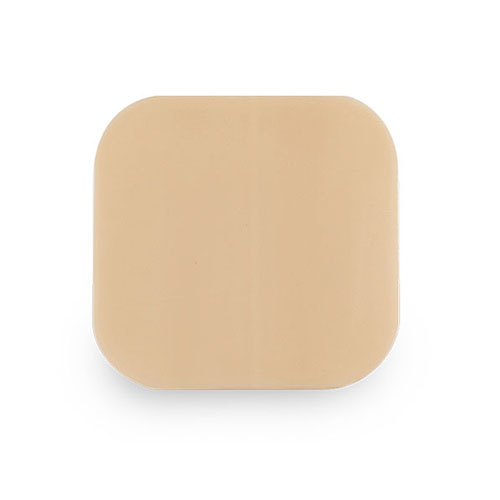
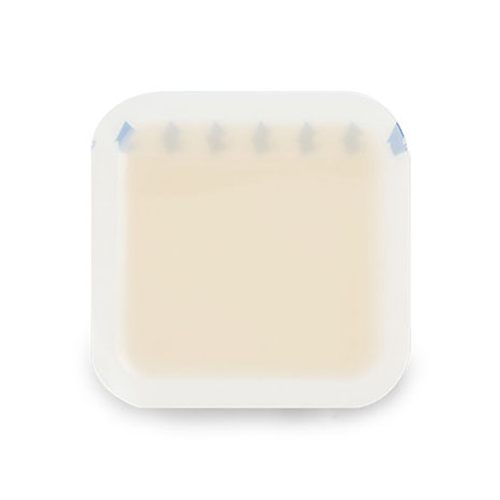
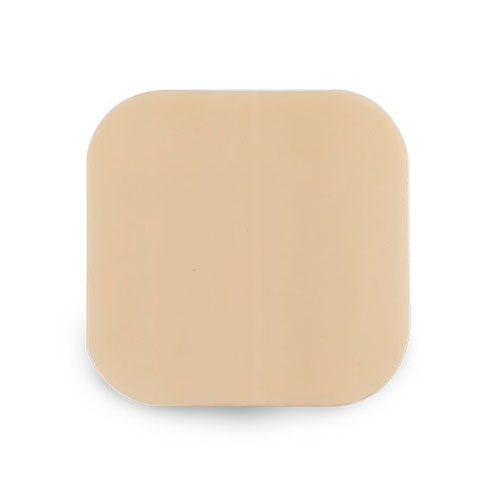
Hydrocolloids: Designed to absorb exudate while maintaining moisture, they can stay on for 3–5 days but may need earlier removal if saturated.
Alginates/Foams: Highly absorbent, these are ideal for heavily draining wounds and may require changes every 1–3 days.
Antimicrobial Dressings: Containing silver or honey, these may be left on for up to seven days unless signs of irritation occur.
4.Patient-Specific Factors
Skin Sensitivity: Patients with fragile skin may need gentler adhesives or non-adherent dressings to avoid trauma during removal.
Mobility: Active patients might require more secure dressings to prevent displacement during movement.
Compliance: Some individuals may struggle with frequent dressing changes, making longer-wear options preferable.
Signs It’s Time to Change the Wound Dressing
Even if guidelines suggest a specific duration, certain indicators warrant immediate replacement:
Leakage or Strike-Through: Fluid visible on the outer layer of the dressing increases infection risk.
Odor or Discoloration: Foul smells or changes in wound color (e.g., yellow/green pus) suggest infection.
Pain or Itching: Increased discomfort may indicate an allergic reaction to the dressing material or worsening infection.
Adhesive Failure: If the dressing peels away, contaminants can enter the wound.
Conclusion
The duration a wound dressing should stay on is not one-size-fits-all; it requires a tailored approach based on wound type, healing stage, dressing material, and patient factors. While transparent films might last a week, alginates may need daily changes in high-exudate wounds. Regular assessment by healthcare providers ensures dressings are replaced at the right time—neither too early, risking re-injury, nor too late, inviting complications. Ultimately, the goal of any wound dressing is to support the body’s natural healing processes while minimizing risks. By adhering to evidence-based guidelines and monitoring wounds closely, caregivers can optimize dressing longevity and enhance recovery outcomes. Remember, the right wound dressing, applied and maintained correctly, is a cornerstone of effective wound management.


Changzhou Major Medical Products Co., Ltd. was established in June 2005, focusing on the field of medical supplies for 17 years. It is a high-tech enterprise that is quality-oriented, engaged in the research and development, production and sales of advanced medical dressings.