






![[Exhibition Preview] Meijie Medical will meet you with new products at the 134th Canton Fair](http://www.czmajor.com/uploadfiles/128.1.164.27/webid2076/newsimg/202511/691d21b71c14b.jpg)


News Categories

When it comes to wound care, one of the most common questions that patients and caregivers often ask is, "How many times should I change wound dressing?" The answer to this question is not a one - size - fits - all solution, as it depends on multiple factors related to the wound itself, the type of dressing used, and the overall health condition of the patient.
Factors Influencing Wound Dressing Change Frequency
Wound Type and Stage
Acute Wounds: Acute wounds, such as surgical incisions or minor cuts, typically have a more predictable healing process. In the initial stages, when there is a significant amount of exudate (the fluid that oozes from the wound), the dressing may need to be changed more frequently, perhaps once or twice a day. This is to prevent the accumulation of exudate, which can lead to maceration (softening and breakdown of the surrounding skin) and increase the risk of infection. As the wound begins to heal and the exudate production decreases, the frequency of dressing changes can be reduced to every other day or even less often, depending on the condition of the wound.
Chronic Wounds: Chronic wounds, like pressure ulcers or diabetic foot ulcers, have a more complex healing process. These wounds often have a higher level of exudate and are more prone to infection. In the early stages of treating a chronic wound, daily dressing changes may be necessary to manage the exudate and keep the wound clean. However, as the wound starts to show signs of improvement, such as the formation of granulation tissue (the new, pink tissue that fills in the wound), the frequency can be adjusted. Some advanced wound dressings are designed to stay in place for several days, reducing the number of dressing changes and minimizing disruption to the healing process.
Exudate Level
High Exudate: Wounds that produce a large amount of exudate require more frequent dressing changes. If the dressing becomes saturated with exudate, it loses its ability to absorb further, and the excess moisture can damage the surrounding skin and promote bacterial growth. In such cases, a highly absorbent wound dressing may be used, but it still may need to be changed every 12 - 24 hours to maintain a clean and dry environment around the wound.
Low Exudate: For wounds with minimal exudate, the dressing can be left in place for a longer period. Some non - adhesive, low - absorbent dressings can be changed every 3 - 5 days, depending on the wound's condition and the type of dressing. However, it is still important to regularly inspect the wound and the dressing to ensure there are no signs of infection or other complications.
Presence of Infection
Infected Wounds: If a wound shows signs of infection, such as increased redness, swelling, pain, heat, or the presence of pus, more frequent dressing changes are usually required. In addition to changing the dressing, appropriate antimicrobial agents may be applied to the wound as prescribed by a healthcare professional. The dressing may need to be changed multiple times a day initially to remove the infected material and prevent the spread of bacteria. As the infection is brought under control, the frequency of dressing changes can be gradually reduced.
Non - Infected Wounds: For non - infected wounds, the dressing change frequency is mainly determined by the exudate level and the stage of healing, as described above. Regular monitoring of the wound for any signs of infection is still essential, and if any suspicious symptoms appear, the healthcare provider should be consulted immediately.

Patient's Overall Health
Immunocompromised Patients: Patients with weakened immune systems, such as those with HIV/AIDS, cancer, or those on immunosuppressive medications, are more susceptible to infections. For these patients, even minor wounds may require more frequent dressing changes to minimize the risk of infection. The healthcare team will closely monitor the wound and adjust the dressing change schedule based on the patient's individual condition.
Healthy Patients: In general, healthy patients with no underlying medical conditions may be able to follow a more standard wound dressing change schedule based on the wound type and exudate level. However, it is still important to follow the healthcare provider's instructions and report any changes in the wound's appearance or symptoms promptly.
Types of Wound Dressings and Their Change Intervals
Gauze Dressings
Gauze dressings are one of the most basic and widely used types of wound dressings. They are available in various forms, such as plain gauze, impregnated gauze (with substances like saline or antimicrobial agents), and non - adherent gauze. For wounds with high exudate, gauze dressings may need to be changed every 6 - 12 hours as they can quickly become saturated. In wounds with low exudate, they can be changed every 24 - 48 hours. However, gauze dressings can stick to the wound bed, causing pain and trauma during removal, especially if they are not properly moistened before changing.
Hydrocolloid Dressings
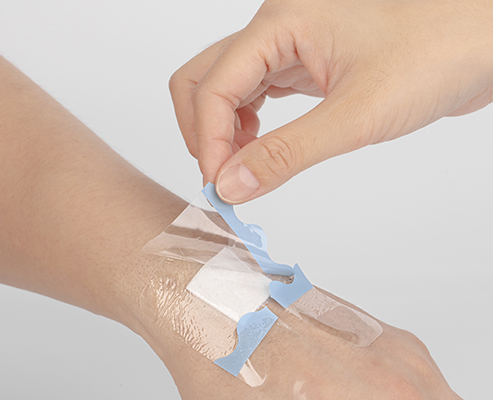
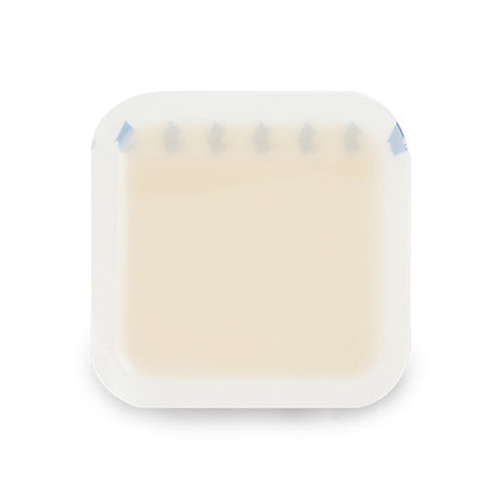
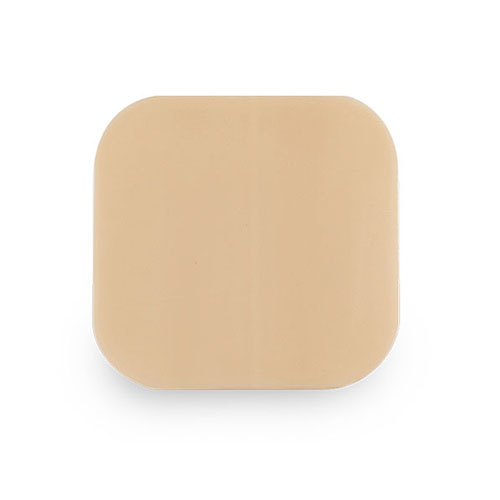
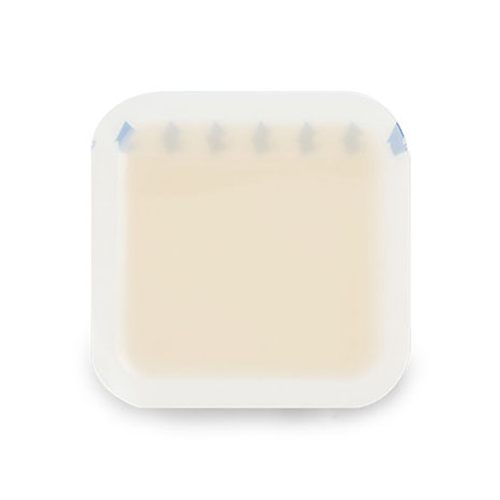
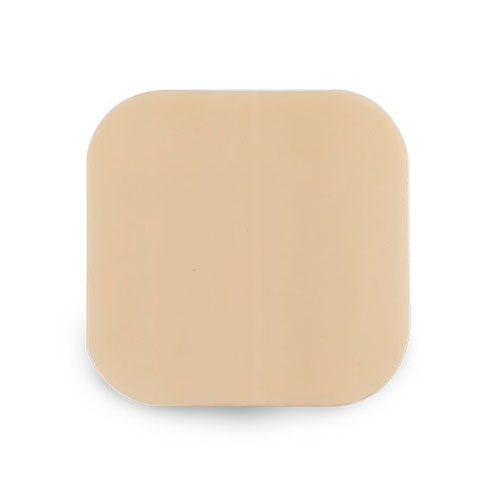
Hydrocolloid dressings are self - adhesive and create a moist environment that promotes wound healing. They are suitable for wounds with low to moderate exudate. These dressings can typically stay in place for 3 - 7 days, depending on the amount of exudate and the condition of the surrounding skin. They are easy to apply and remove, and they help to protect the wound from external contaminants.
Foam Dressings
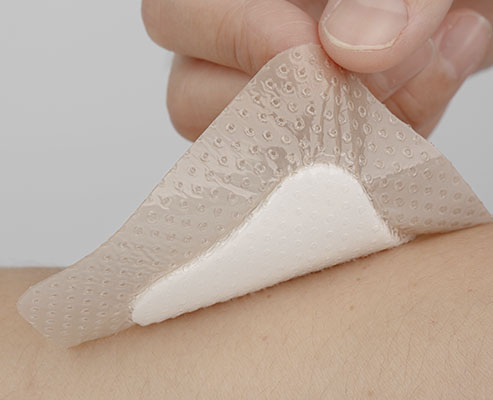
Foam dressings are highly absorbent and are ideal for wounds with moderate to high exudate. They can absorb large amounts of fluid while maintaining a moist wound environment. Depending on the exudate level, foam dressings can be changed every 1 - 3 days. Some advanced foam dressings have a semi - permeable backing that allows for the exchange of oxygen and moisture vapor, further promoting wound healing.
Conclusion
In conclusion, the frequency of wound dressing changes is a crucial aspect of wound care that should be carefully considered based on multiple factors. Wound type and stage, exudate level, presence of infection, and the patient's overall health all play significant roles in determining how often the wound dressing should be changed. Different types of wound dressings also have varying change intervals, ranging from every few hours for highly absorbent gauze in high - exudate wounds to several days for hydrocolloid or foam dressings in low - exudate wounds. It is essential for patients and caregivers to follow the instructions provided by healthcare professionals and regularly monitor the wound for any changes. By choosing the appropriate wound dressing and changing it at the right frequency, we can create an optimal healing environment, reduce the risk of complications, and promote faster and more effective wound healing. Remember, proper wound dressing management is a key step in the journey towards complete wound recovery.


Changzhou Major Medical Products Co., Ltd. was established in June 2005, focusing on the field of medical supplies for 17 years. It is a high-tech enterprise that is quality-oriented, engaged in the research and development, production and sales of advanced medical dressings.