




![[Exhibition Preview] Meijie Medical will meet you with new products at the 134th Canton Fair](http://www.czmajor.com/uploadfiles/128.1.164.27/webid2076/newsimg/202511/691d21b71c14b.jpg)

News Categories

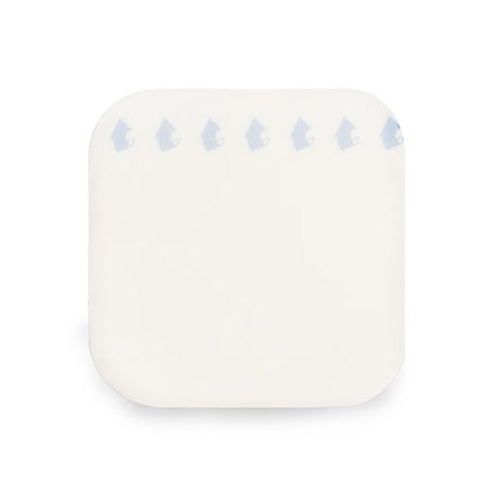
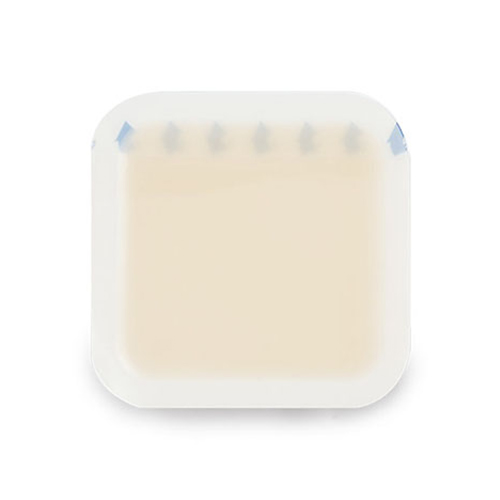
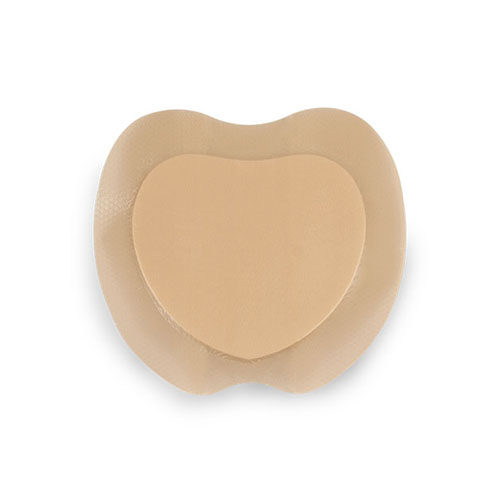
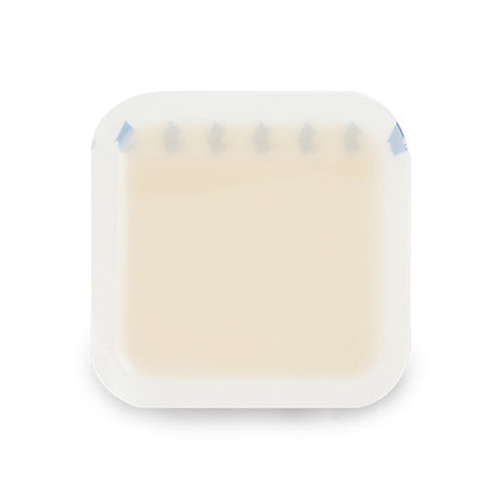
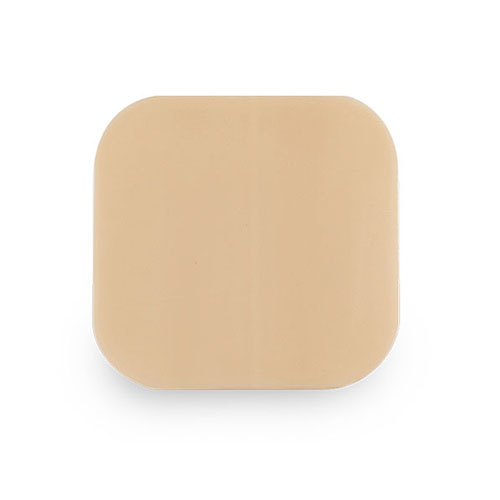
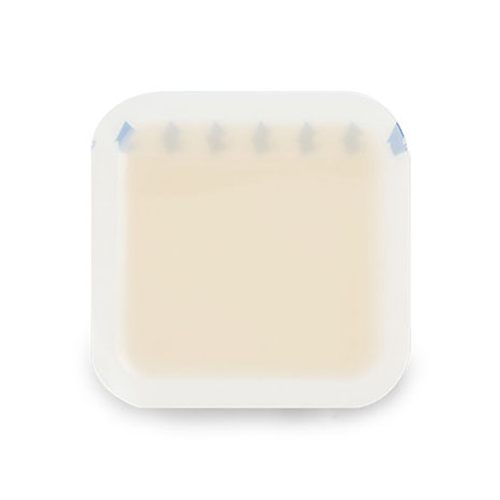
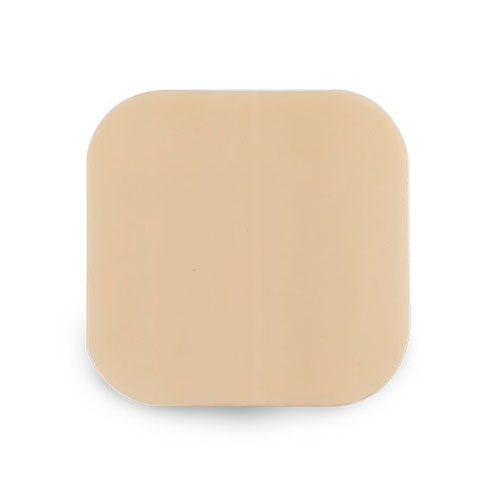
Hydrocolloid dressings are a staple in modern wound care, valued for their ability to create a moist healing environment while protecting the wound from external contaminants. Composed of gel-forming agents like gelatin or pectin, these dressings adhere gently to the skin, making them ideal for burns, pressure ulcers, or minor abrasions. However, removing hydrocolloid dressings can be tricky, especially if done improperly, as they are designed to stick securely to promote healing. Incorrect removal may cause skin irritation, pain, or even damage to delicate tissues. This article provides a step-by-step guide to safely removing hydrocolloid dressings, essential precautions, and tips to minimize discomfort.
How to Remove Hydrocolloid Dressing: Step-by-Step Solutions
1.Assess the Dressing’s Condition
Before removal, inspect the hydrocolloid dressing for signs of wear, leakage, or infection. If the edges are lifting or the dressing appears saturated with exudate, it’s time for a change. Healthy dressings typically remain intact for 3–7 days, depending on the wound type and location.
2.Prepare the Area
Wash your hands thoroughly with soap and water to prevent contamination. Gather sterile gloves, adhesive remover (optional), clean gauze, and a mild skin cleanser. If the dressing is over a joint or frequently moved area, stabilize the limb to reduce tension during removal.
3.Loosen the Edges Gently
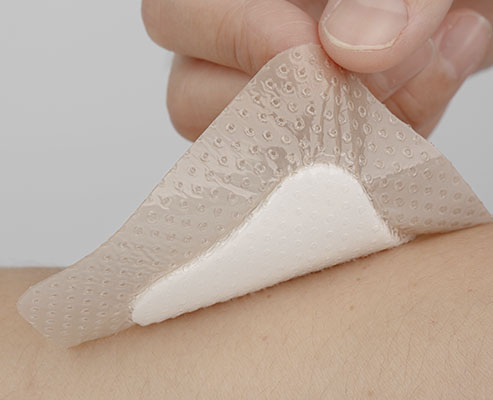
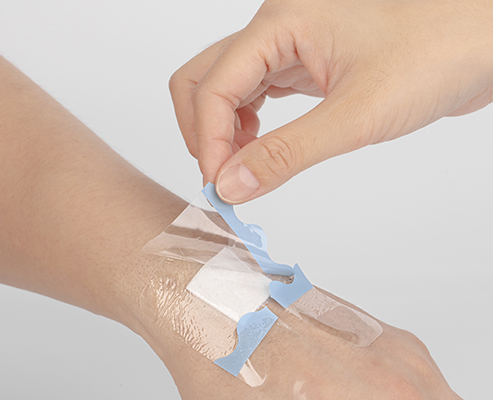
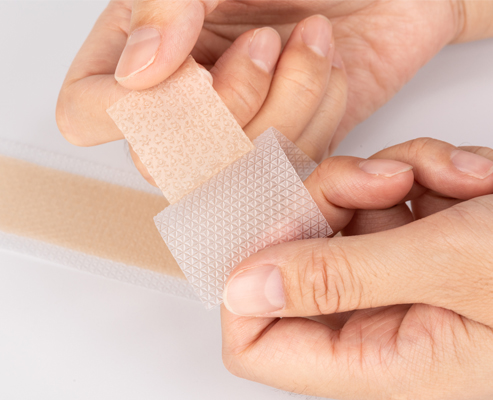
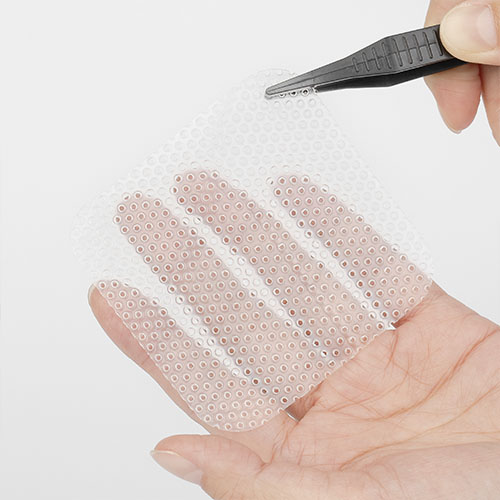
Hydrocolloid dressings adhere most strongly at the edges. Use a fingernail or sterile forceps to lift one corner slowly. Avoid pulling upward; instead, press the skin adjacent to the dressing downward while peeling the edge horizontally. This reduces shear force on the skin.
4.Apply Adhesive Remover (If Needed)
For stubborn dressings, soak a gauze pad in medical-grade adhesive remover (e.g., Detachol or a silicone-based solution). Place it over the dressing and let it sit for 1–2 minutes to dissolve the adhesive. Alternatively, use warm, moist compresses to soften the bond.
5.Peel Back the Dressing Slowly
Once the edges are loose, grip the dressing firmly with one hand while supporting the surrounding skin with the other. Pull the dressing back in a low, steady motion, following the direction of hair growth if applicable. Avoid yanking, as this can cause skin tears.
6.Clean the Wound Site
After removal, discard the used hydrocolloid dressing in a sealed bag. Gently clean the wound with saline solution or a mild antiseptic, then pat dry with sterile gauze. Apply a new dressing if the wound is still healing.

Key Precautions When Removing Hydrocolloid Dressings
Avoid Reusing Dressings:Hydrocolloid dressings are single-use. Reusing them increases infection risk and compromises adhesion.
Monitor for Allergic Reactions:If redness, itching, or blisters develop after removal, discontinue use and consult a healthcare provider.
Be Cautious with Fragile Skin:Patients with eczema, diabetes, or thin skin should have dressings removed by a professional to prevent damage.
Never Force Removal:If the dressing resists, stop and reapply adhesive remover or warm compresses. Forcing it may lead to skin trauma.
Dispose Properly:Hydrocolloid dressings are non-biodegradable. Place them in a biohazard bag if contaminated with bodily fluids.
Conclusion: Mastering Hydrocolloid Dressing Removal
Removing hydrocolloid dressings safely requires patience and technique, but following these steps can minimize discomfort and protect the wound. Always prioritize gentle handling, especially for sensitive skin or chronic wounds. When in doubt, seek guidance from a nurse or physician to ensure proper care. By understanding the unique properties of hydrocolloid dressings—their adhesive strength, moisture-retention capabilities, and healing benefits—you can confidently manage their application and removal. With practice, this process becomes second nature, ensuring optimal outcomes for wound recovery.
Remember, hydrocolloid dressings are a powerful tool in wound management, but their effectiveness depends on both application and removal. Treat your skin with care, and these dressings will continue to support healing without unnecessary complications.


Changzhou Major Medical Products Co., Ltd. was established in June 2005, focusing on the field of medical supplies for 17 years. It is a high-tech enterprise that is quality-oriented, engaged in the research and development, production and sales of advanced medical dressings.