






![[Exhibition Preview] Meijie Medical will meet you with new products at the 134th Canton Fair](http://www.czmajor.com/uploadfiles/128.1.164.27/webid2076/newsimg/202511/691d21b71c14b.jpg)

News Categories

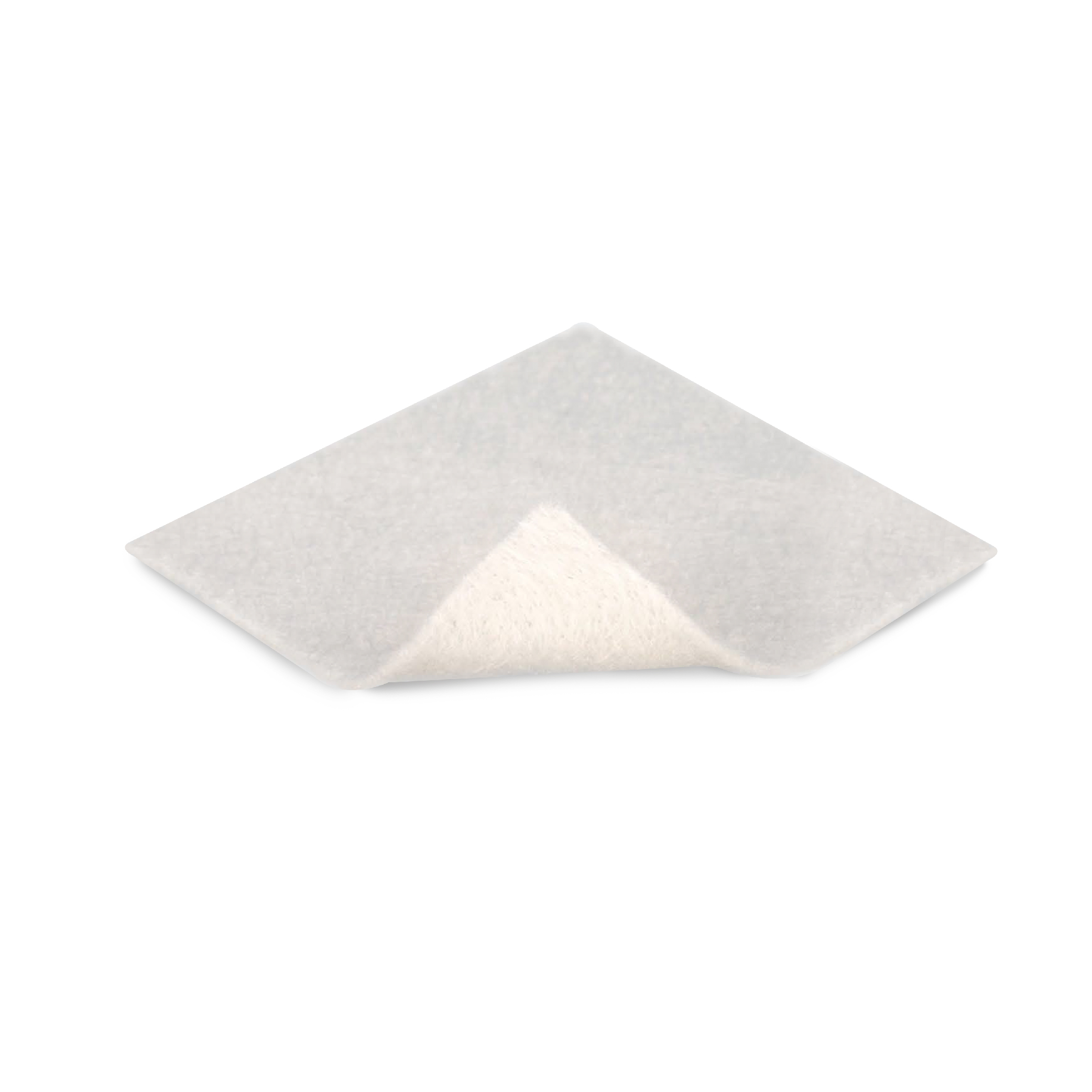
Alginate dressing, derived from marine brown algae, has emerged as a cornerstone in modern wound care due to its biodegradability, high absorbency, and ability to maintain a moist healing environment. Composed of calcium or sodium alginate fibers, these dressings excel in managing moderate to heavily exudating wounds, such as pressure ulcers, diabetic foot ulcers, and surgical incisions. By forming a non-adherent gel upon contact with wound fluid, alginate dressings facilitate autolytic debridement, reduce bacterial contamination, and minimize trauma during dressing changes. This article provides a step-by-step guide to using alginate dressing effectively, along with critical precautions to ensure optimal outcomes.
Step-by-Step Application of Alginate Dressing
1.Wound Assessment and Preparation
Before applying alginate dressing, thoroughly assess the wound’s exudate level, depth, and presence of infection. Alginate dressings are unsuitable for dry wounds or those covered with hard eschar, as they require moisture to form a gel. Clean the wound with sterile saline or a non-irritating antiseptic solution, and remove necrotic tissue if necessary. For cavity wounds, measure the depth to select the appropriate dressing shape.
2.Selecting the Right Alginate Dressing
Choose a dressing size that extends 1–2 cm beyond the wound margins to ensure full coverage. For infected wounds, opt for silver-impregnated alginate dressings, which combine absorbency with antimicrobial properties. A 2012 study comparing brands like Kaltostat and Sorbsan revealed differences in fluid retention and residue formation, emphasizing the need to match the dressing’s physical properties to the wound’s needs.
3.Application Technique
Surface Wounds: Place the alginate sheet directly onto the wound bed, avoiding overlaps that may cause maceration.
Cavity Wounds: Gently pack the alginate rope into the cavity without overfilling, as the dressing expands up to 20 times its dry weight when hydrated.
Bleeding Control: The calcium ions in alginate dressings activate the coagulation cascade, making them effective for minor bleeding. For surgical wounds, some clinicians wrap the dressing with silk thread to enhance structural integrity during removal.
4.Secondary Dressing and Fixation
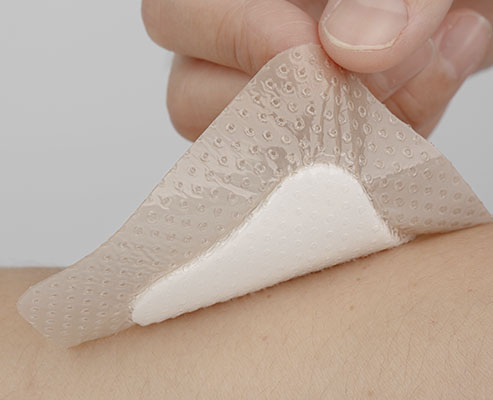
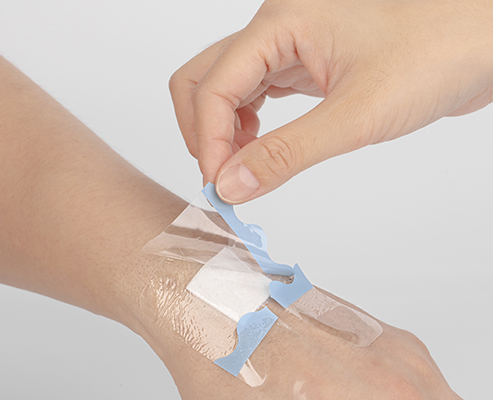
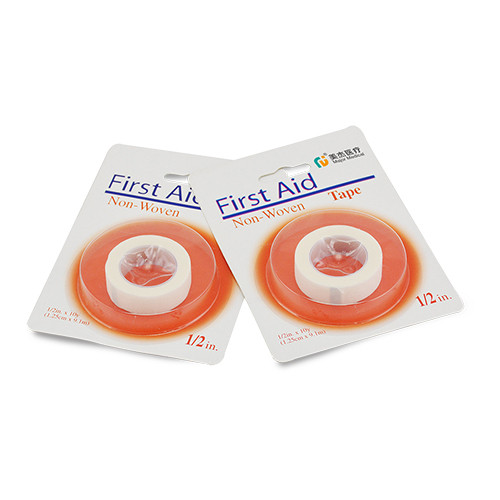
Cover the alginate dressing with a non-adherent layer (e.g., silicone foam) to prevent sticking to the surrounding skin. Secure the dressing with a bandage or medical tape, ensuring no pressure is applied to sensitive areas.

Key Precautions When Using Alginate Dressing
1.Avoid Overuse in Dry Wounds
Alginate dressings can dehydrate wounds with low exudate, delaying healing. A 2023 review highlighted cases where improper use led to prolonged inflammation. Always verify wound moisture levels before application.
2.Prevent Residue Accumulation
Alginate fibers may fragment upon removal, especially in cavity wounds. Rinse the wound with saline after dressing changes to eliminate residues. A 2015 case report described a patient who developed a foreign-body reaction due to retained fibers, underscoring the importance of thorough irrigation.
3.Monitor for Allergic Reactions
Although rare, some patients may react to alginate’s seaweed origin. Discontinue use if redness, itching, or swelling occurs.
4.Limit Use in Specific Populations
Alginate dressings are contraindicated for third-degree burns and wounds requiring surgical hemostasis. For pediatric or geriatric patients, prioritize dressings with lower adhesion to minimize skin trauma.
5.Frequency of Changes
Replace alginate dressings every 1–3 days, or sooner if exudate saturates the outer layer. Infected wounds may require more frequent changes to prevent bacterial proliferation.
Conclusion
Alginate dressing represents a versatile and evidence-backed solution for exudating wounds, offering benefits such as moist wound healing, painless removal, and infection control. However, its efficacy hinges on proper application and adherence to precautions, including wound assessment, residue management, and patient-specific considerations. By integrating alginate dressings into a holistic wound care protocol—paired with regular monitoring and patient education—clinicians can optimize healing outcomes while minimizing complications. As research continues to refine alginate formulations (e.g., hybrid dressings with collagen or chitosan), these materials are poised to play an even greater role in advancing wound management in the coming years.


Changzhou Major Medical Products Co., Ltd. was established in June 2005, focusing on the field of medical supplies for 17 years. It is a high-tech enterprise that is quality-oriented, engaged in the research and development, production and sales of advanced medical dressings.