





![[Exhibition Preview] Meijie Medical will meet you with new products at the 134th Canton Fair](http://www.czmajor.com/uploadfiles/128.1.164.27/webid2076/newsimg/202511/691d21b71c14b.jpg)

News Categories

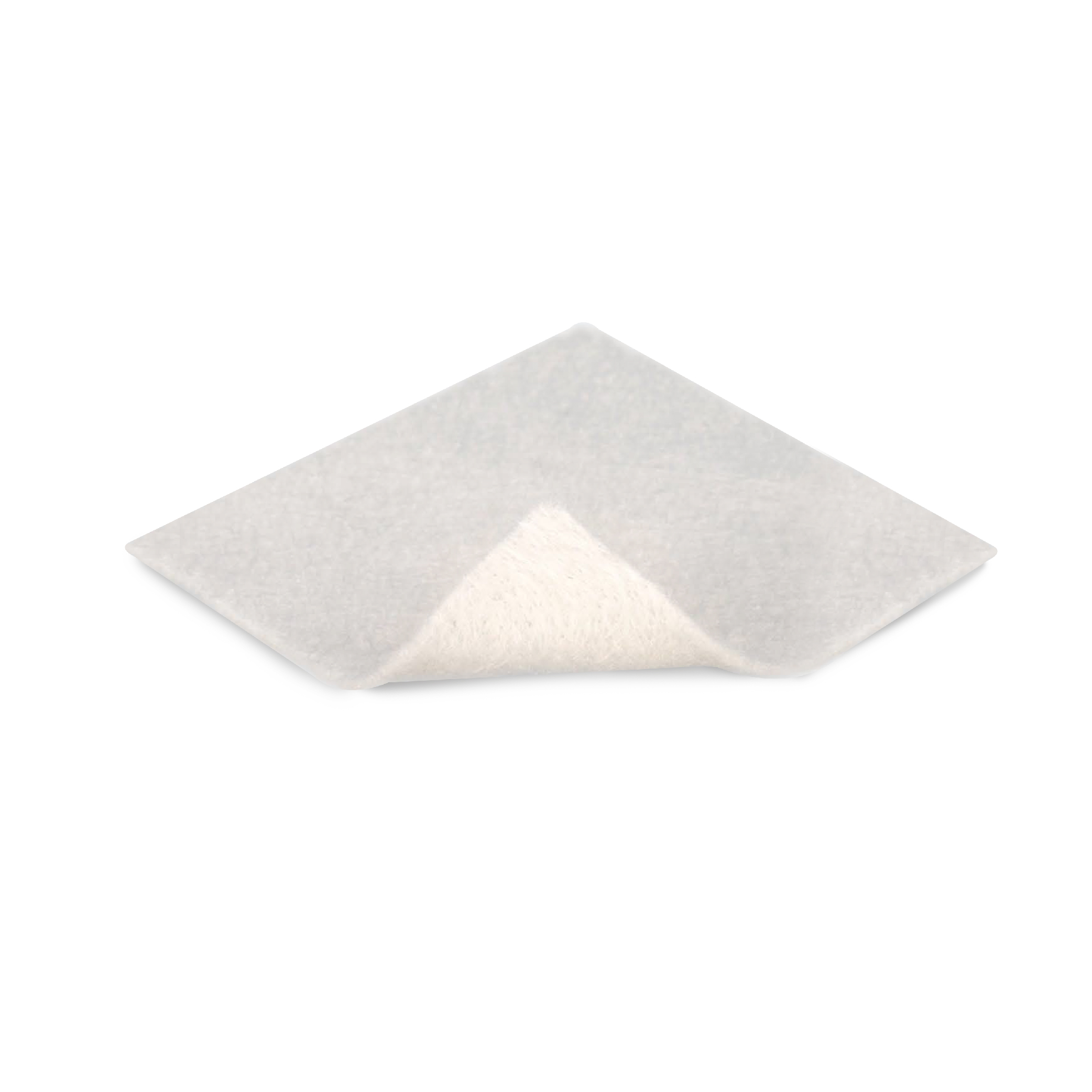
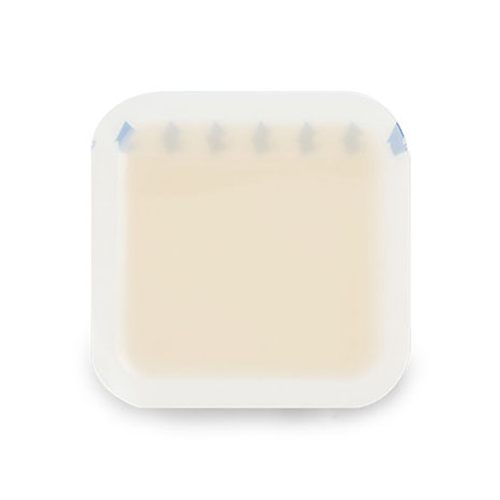
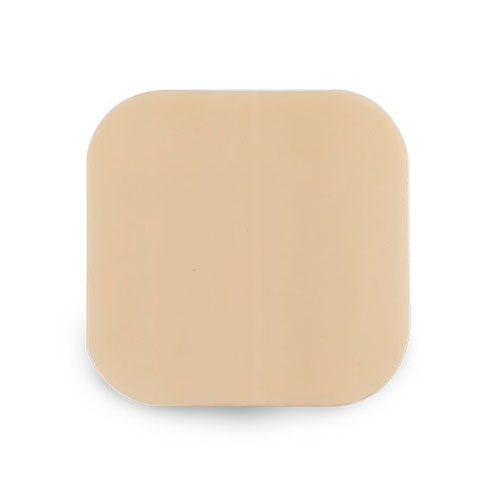
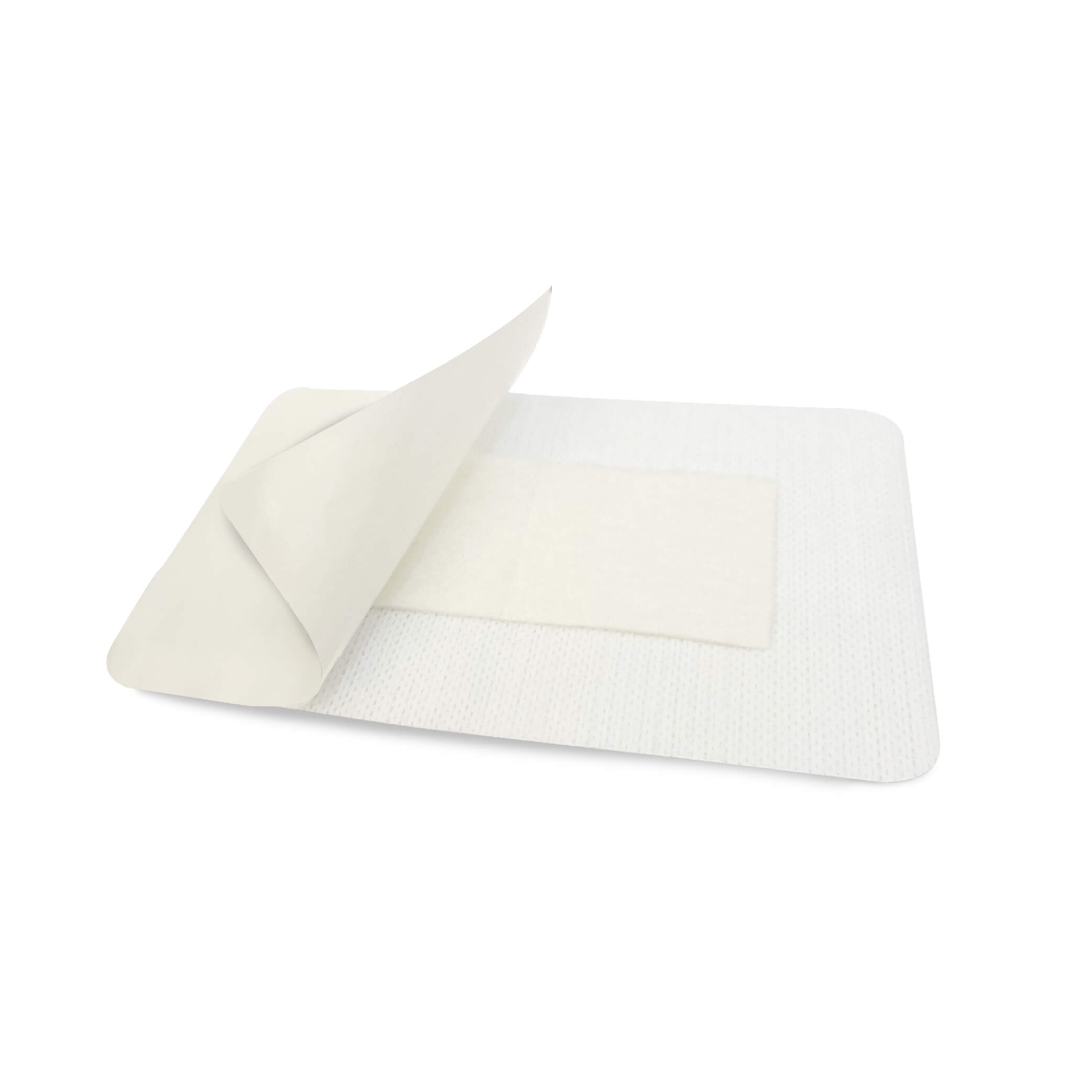
Alginate dressing has emerged as a cornerstone in modern wound care, valued for its ability to manage exudate, promote a moist healing environment, and support autolytic debridement. This article delves into the composition, mechanism of action, and clinical applications of alginate dressings, shedding light on why they remain indispensable in managing complex wounds.
The Core Composition: Alginate Fibers Derived from Seaweed
Alginate dressings are crafted from alginate, a natural polysaccharide extracted from the cell walls of brown seaweed (e.g., Laminaria species). The primary components are calcium alginate and sodium alginate, which are processed into non-woven fibers or fleece through a series of chemical and mechanical steps. These fibers form the structural backbone of the dressing, enabling its unique properties.
1.Calcium Alginate:
The calcium ions in the dressing play a dual role. First, they provide structural integrity to the dry dressing, allowing it to maintain shape during application. Second, when exposed to wound exudate—rich in sodium ions—a calcium-sodium ion exchange occurs. This reaction transforms the rigid fibers into a soft, hydrophilic gel, which is critical for exudate management and maintaining a moist wound bed.
2.Sodium Alginate:
Sodium alginate contributes to the dressing’s biocompatibility and gel-forming capacity. It enhances the dressing’s ability to absorb fluids while remaining non-adherent to the wound surface, minimizing trauma during removal.
Enhanced Formulations: Silver and Beyond
To address infection risks, manufacturers incorporate antimicrobial agents into alginate dressings. The most common addition is silver ions, creating silver alginate dressings. Silver’s broad-spectrum antibacterial properties make these dressings ideal for infected wounds or those at high risk of infection, such as diabetic ulcers or pressure injuries. Studies demonstrate that silver alginate reduces bacterial load while maintaining the core benefits of standard alginate dressings, such as exudate absorption and gel formation.
Other additives, like zinc or honey, have also been explored, though silver remains the most widely adopted due to its efficacy and safety profile.
Mechanism of Action: From Ion Exchange to Wound Healing
The transformation of alginate dressings upon contact with exudate is a hallmark of their functionality:
1.Ion Exchange and Gel Formation:
When calcium alginate fibers encounter sodium-rich exudate, calcium ions are released, and sodium alginate forms a gel. This gel acts as a moisture reservoir, preventing the wound from drying out while absorbing excess fluid—a balance crucial for optimal healing.
2.Exudate Management:
Alginate dressings can absorb 15–20 times their weight in exudate, making them suitable for moderately to heavily draining wounds, such as venous leg ulcers or postoperative cavities. The gel’s consistency also helps protect peri-wound skin from maceration by locking away excess moisture.
3.Autolytic Debridement:
The moist environment created by the gel promotes the body’s natural enzymatic breakdown of necrotic tissue, reducing the need for painful mechanical debridement. This is particularly beneficial for wounds with slough or eschar.
4.Hemostatic Properties:
Calcium ions, being coagulation factors, contribute to minor bleeding control. However, alginate dressings are not suitable for heavily bleeding wounds, where specialized hemostatic agents are required.
Clinical Applications and Considerations
Alginate dressings are versatile, but their effectiveness hinges on proper selection and use:
Indications:
They excel in managing full-thickness wounds, cavities, sinus tracts, and infected wounds with moderate to heavy exudate. Examples include diabetic foot ulcers, pressure injuries, and surgical wounds.
Contraindications:
Avoid using alginate dressings on dry wounds, eschar-covered wounds, or third-degree burns, as they may adhere to the wound bed or fail to gel, exacerbating dryness.
Best Practices:
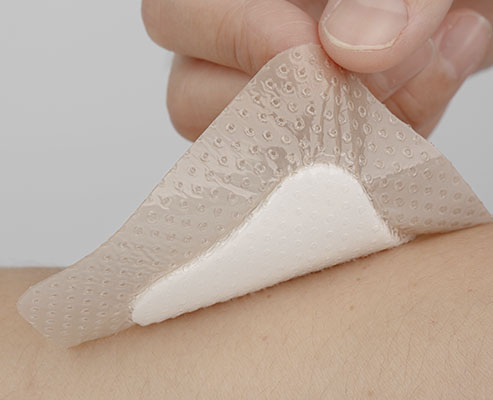
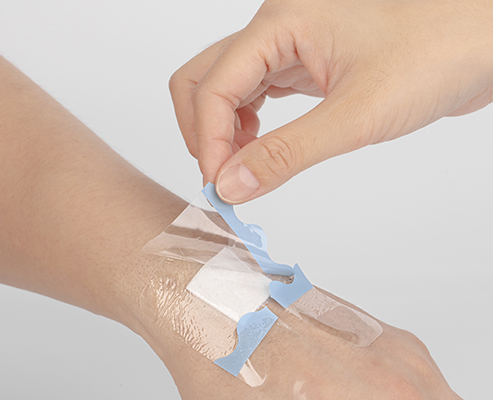
Use a secondary dressing (e.g., foam or film) to secure the alginate layer and prevent leakage.
Replace dressings when the gel reaches the secondary layer or if the wound becomes dry.
For cavity wounds, avoid overpacking to prevent compression of granulation tissue.
Rinse the wound with saline during dressing changes to remove residual fibers.
Conclusion: The Enduring Value of Alginate Dressing
Alginate dressing, rooted in the biocompatibility of seaweed-derived alginate, exemplifies innovation in wound care. Its ability to transform into a gel through ion exchange, coupled with advanced formulations like silver alginate, addresses critical challenges in exudate management and infection prevention. By supporting autolytic debridement and maintaining a moist healing environment, alginate dressings accelerate recovery while minimizing patient discomfort. Clinicians must continue to leverage the unique properties of alginate dressing—from its natural origins to its engineered enhancements—to optimize outcomes across diverse wound types. As research evolves, alginate dressing will undoubtedly remain a vital tool in the pursuit of faster, safer, and more effective wound healing.


Changzhou Major Medical Products Co., Ltd. was established in June 2005, focusing on the field of medical supplies for 17 years. It is a high-tech enterprise that is quality-oriented, engaged in the research and development, production and sales of advanced medical dressings.