





![[Exhibition Preview] Meijie Medical will meet you with new products at the 134th Canton Fair](http://www.czmajor.com/uploadfiles/128.1.164.27/webid2076/newsimg/202511/691d21b71c14b.jpg)

News Categories

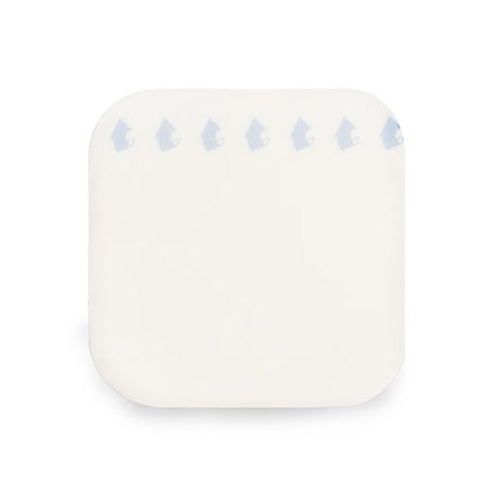
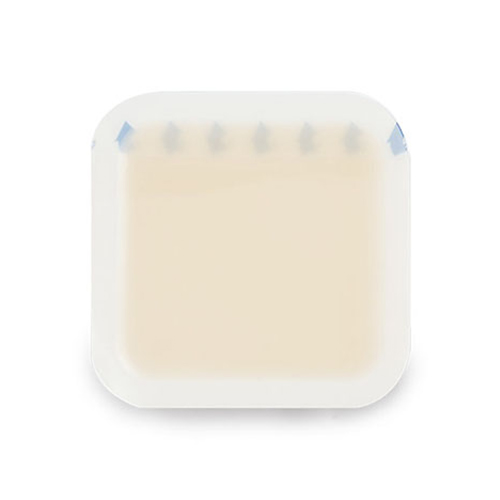
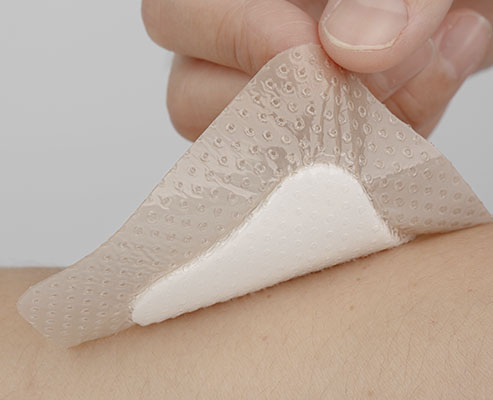
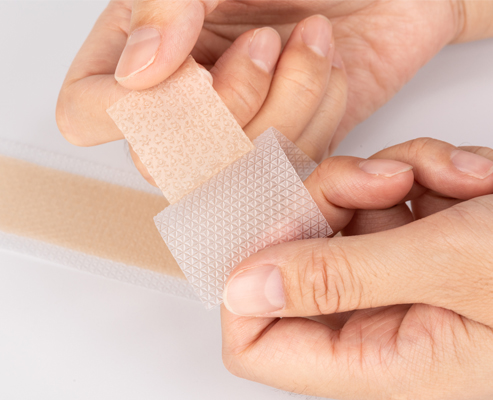
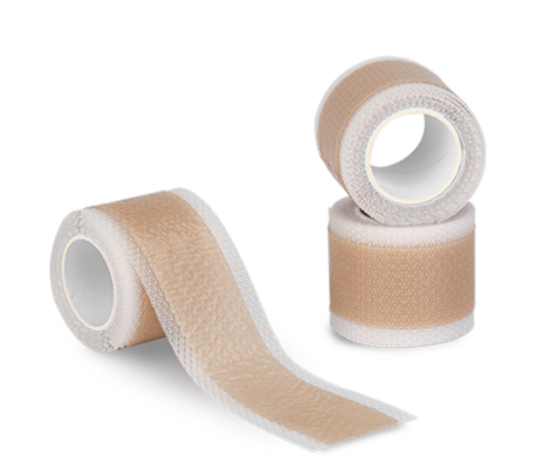
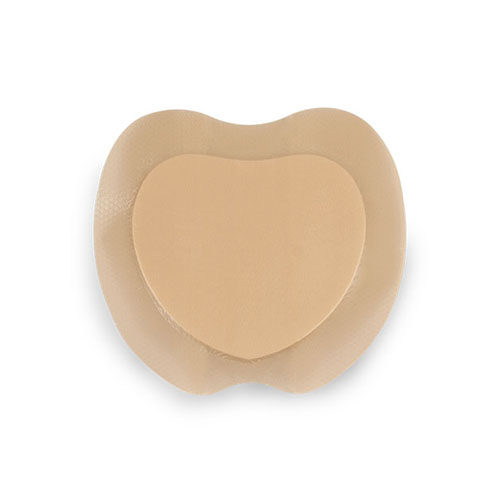
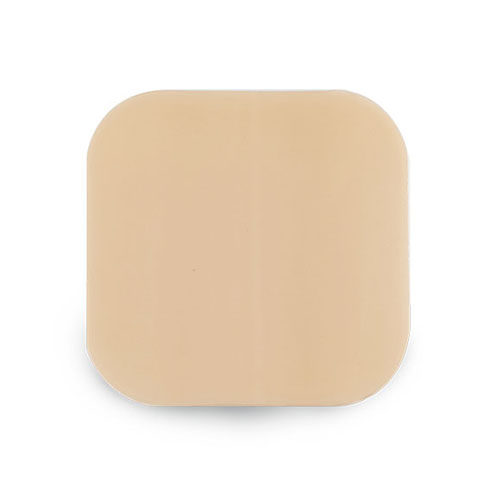
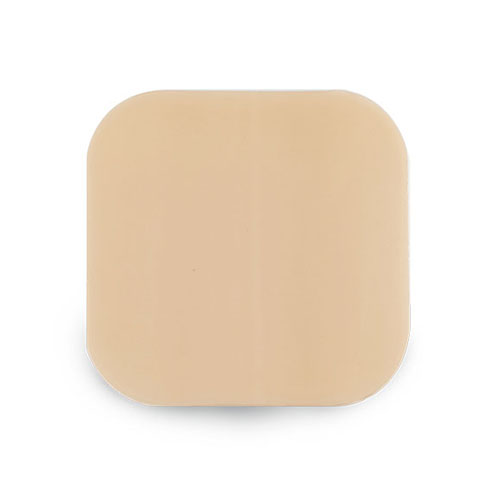
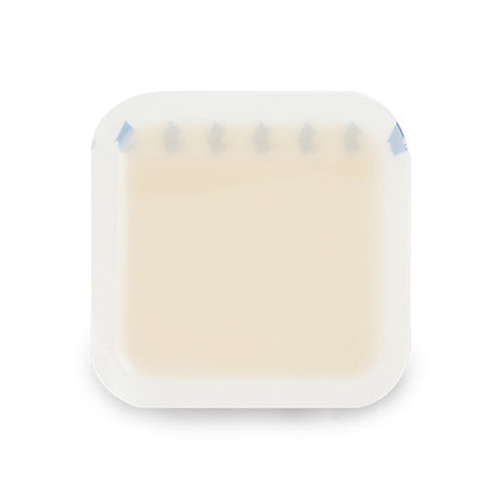
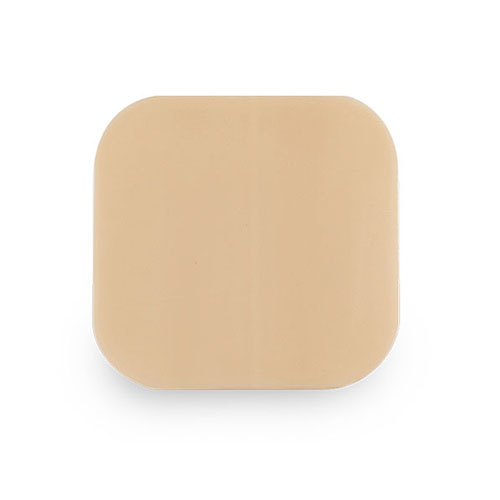
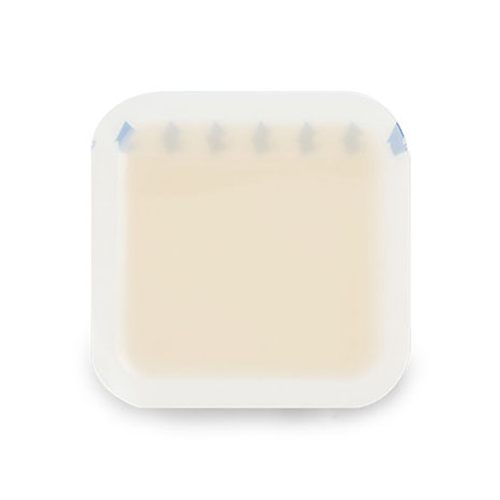
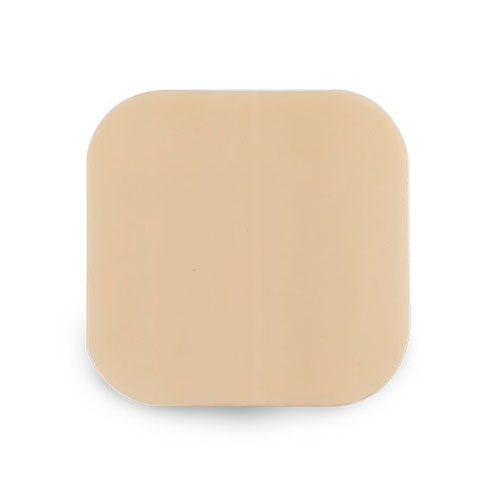
Hydrocolloid dressings have revolutionized modern wound care by offering a self-adhesive, moisture-retentive solution that promotes healing while minimizing trauma. These dressings, composed of gel-forming agents like carboxymethylcellulose (CMC), pectin, and gelatin embedded in a waterproof outer layer, are widely used for superficial to moderately exuding wounds. However, their optimal wear time remains a critical question for clinicians and patients alike. This article synthesizes clinical evidence, anatomical considerations, and wound-specific factors to provide a comprehensive guide on how long hydrocolloid dressings can safely remain in place.
Clinical Evidence: The 3–7 Day Rule
The majority of clinical studies support a 3–7 day wear time for hydrocolloid dressings on uninfected, mildly exuding wounds. A 2023 Bayesian network meta-analysis of 16 randomized controlled trials (RCTs) revealed that hydrocolloid dressings reduced dressing changes by 48.8% compared to traditional gauze, with a median wear time of 5.2 days for surgical wounds. This extended duration stems from the dressing’s ability to absorb exudate while maintaining a sterile, humid microenvironment—conditions that accelerate fibroblast proliferation, angiogenesis, and epithelialization.
For specific wound types:
Superficial burns: Hydrocolloid dressings can remain for 5–7 days, reducing pain by 40% compared to silver sulfadiazine cream and promoting scar-free healing.
Pediatric wounds: In children with minor abrasions or burns, dressings often stay intact for 5–7 days due to their pain-free removal and reduced risk of skin trauma.
Surgical donor sites: A 2015 study found hydrocolloid dressings reduced healing time by 30% compared to gauze when left in place for 5 days.

Factors Influencing Wear Time
While the 3–7 day rule serves as a general guideline, individualized assessment is essential. Key factors include:
1.Exudate Level
Hydrocolloid dressings are designed for low to moderate exudate. If exudate saturates the dressing (visible leakage or malodor), early replacement is necessary to prevent maceration—a condition where prolonged moisture softens surrounding skin, increasing infection risk. For example:
Stage II pressure ulcers: The National Pressure Ulcer Advisory Panel (NPUAP) recommends 3–7 day wear, adjusting based on exudate volume.
Highly exuding wounds: A 2021 RCT comparing hydrocolloid and foam dressings for venous leg ulcers found foam dressings required fewer changes (every 4 days vs. every 6 days for hydrocolloids) in high-exudate cases.
2.Infection Status
Hydrocolloid dressings are not recommended for infected wounds unless used under strict medical supervision. Signs of infection (increased pain, redness, purulent discharge) necessitate immediate removal and antimicrobial therapy. A 2020 study on diabetic foot ulcers (DFUs) reported that hydrocolloid dressings combined with silver nanoparticles reduced infection rates by 22% compared to standard hydrocolloids, but still required frequent monitoring.
3.Anatomical Location
Joint areas: Flexion and friction may loosen adhesives, requiring earlier replacement (e.g., every 3–4 days for elbow wounds).
Facial wounds: Small hydrocolloid patches for acne or minor lacerations can stay on for 5–7 days due to low exudate and minimal movement.
Foot ulcers: A 2019 Cochrane Review found no significant difference in DFU healing between hydrocolloid and alginate dressings, but noted hydrocolloids were more cost-effective when exudate was controlled.
4.Patient Comfort and Skin Integrity
Patients with sensitive skin or allergies to adhesives may require shorter wear times (e.g., 3 days) to avoid irritation. Conversely, patients with mobility issues or cognitive impairment benefit from longer wear to reduce care burden.
Comparative Efficacy: Hydrocolloid vs. Other Dressings
While hydrocolloid dressings excel in moisture control and patient comfort, their superiority depends on wound context:
Diabetic foot ulcers: A 2025 Bayesian network analysis of nine dressings (including hydrocolloid, hydrogel, and amniotic membrane) found no significant difference in healing rates between hydrocolloid and basic wound contact dressings (risk ratio 1.01, 95% CI 0.74–1.38). However, hydrocolloids reduced dressing changes by 35%, improving quality of life.
Venous ulcers: Hydrocolloid dressings showed similar healing rates to foam dressings but were less effective for highly exuding wounds.
Acute wounds: For post-surgical incisions, hydrocolloids reduced infection rates by 18% compared to gauze in a 2022 RCT.
Practical Guidelines for Clinicians
Initial assessment: Evaluate wound type, exudate, and infection risk before selecting hydrocolloid dressings.
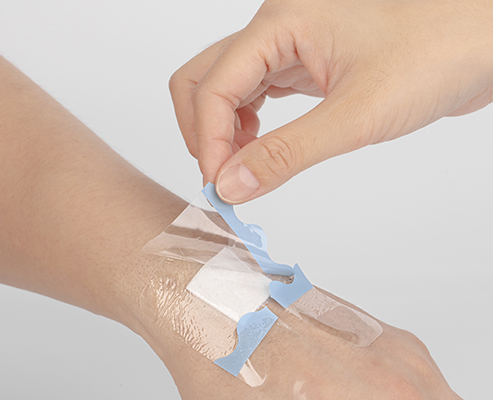
Application: Ensure the dressing extends 1 inch beyond wound edges to prevent leakage. Use bordered variants for irregularly shaped wounds.
Monitoring: Check for signs of maceration, infection, or adhesive failure every 2–3 days.
Removal: Lift edges gently while pressing down on skin to minimize trauma. Dispose of used dressings properly.
Documentation: Record wear time, wound measurements, and patient feedback to refine future care plans.
Conclusion
Hydrocolloid dressings offer a versatile, patient-friendly solution for wound care, with typical wear times ranging from 3 to 7 days for most superficial to moderately exuding wounds. Their ability to maintain a moist environment, reduce infection risks, and minimize pain makes them superior to traditional dressings in many scenarios. However, clinicians must tailor wear time to exudate levels, infection status, anatomical factors, and patient comfort. Regular assessments—especially for high-risk wounds like DFUs or venous ulcers—ensure optimal outcomes. By balancing evidence-based guidelines with individualized care, hydrocolloid dressings continue to play a pivotal role in modern wound management, enhancing both clinical efficacy and patient quality of life.


Changzhou Major Medical Products Co., Ltd. was established in June 2005, focusing on the field of medical supplies for 17 years. It is a high-tech enterprise that is quality-oriented, engaged in the research and development, production and sales of advanced medical dressings.