






![[Exhibition Preview] Meijie Medical will meet you with new products at the 134th Canton Fair](http://www.czmajor.com/uploadfiles/128.1.164.27/webid2076/newsimg/202511/691d21b71c14b.jpg)

News Categories

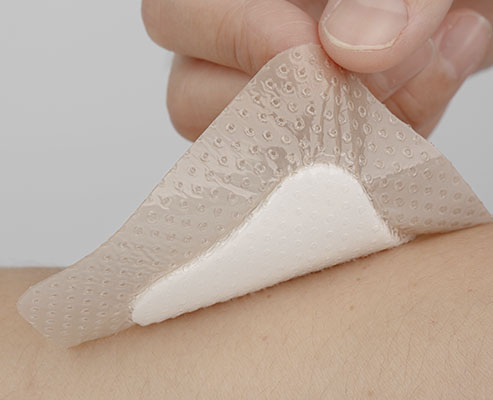
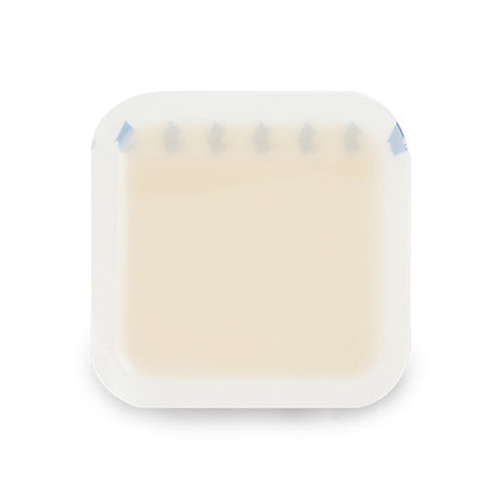
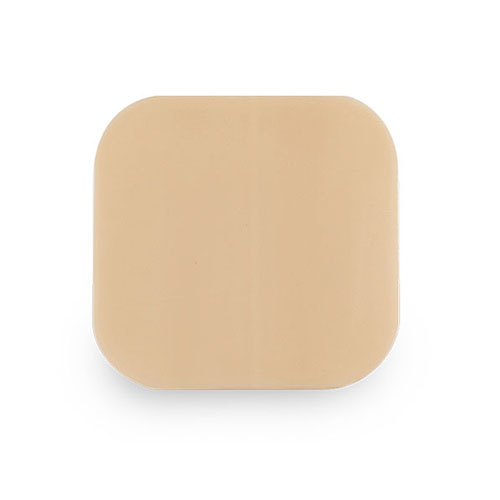
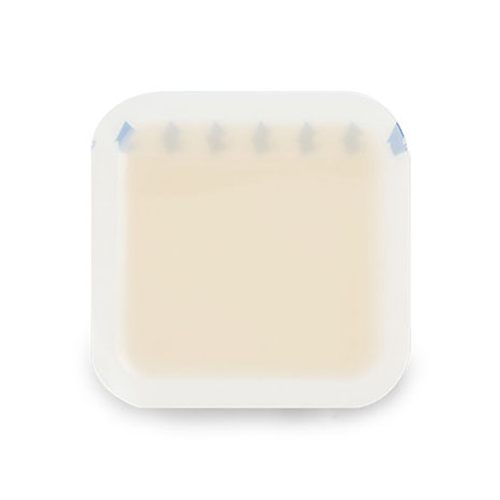
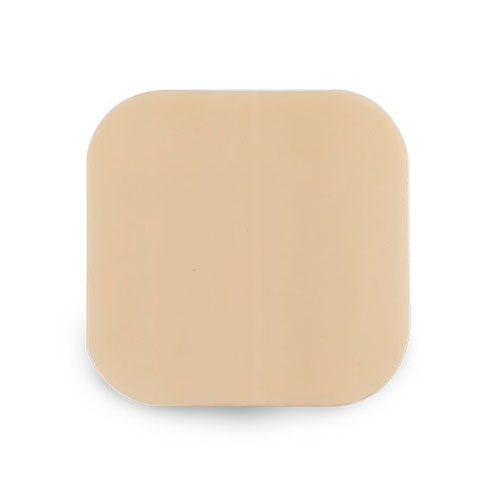
Foam dressings have emerged as a cornerstone of modern wound care, valued for their versatility, absorptive capacity, and ability to create an optimal healing environment. Composed primarily of hydrophilic polyurethane foam, these dressings are engineered to manage exudate while maintaining moisture balance—a critical factor in wound repair. This article explores the multifaceted applications of foam dressings, their mechanisms of action, and their evolving role in clinical practice.
Core Functions of Foam Dressings
1.Exudate Management
The primary function of foam dressings is to absorb and retain wound exudate, which contains proteins, enzymes, and bacteria that can delay healing if not properly controlled. Unlike traditional gauze, which may become saturated and adhere to the wound bed, foam dressings absorb exudate vertically into their structure, preventing maceration of periwound skin. For example, the LUOFUCON® Foam Dressing utilizes a superabsorbent polyurethane core that can retain up to 10 times its weight in fluid, making it ideal for heavily exuding wounds such as venous leg ulcers (VLUs) and diabetic foot ulcers. Studies indicate that foam dressings reduce dressing change frequency by 40–60%, minimizing disruption to the wound bed.
2.Moisture Retention and Autolytic Debridement
Foam dressings create a humid microenvironment that facilitates autolytic debridement—the body’s natural process of breaking down necrotic tissue. By maintaining moisture, they prevent eschar formation and promote granulation tissue development. This is particularly beneficial for chronic wounds like pressure ulcers, where delayed healing often stems from dry wound beds. The ActivHeal® Foam Tracheostomy Dressing, for instance, combines a polyurethane foam pad with a waterproof membrane to balance absorption and moisture retention, ensuring optimal conditions for epithelialization.
3.Infection Control
Many foam dressings incorporate antimicrobial agents to mitigate bacterial colonization. Silver-loaded variants, such as DermaBlue+Foam™, release silver ions that disrupt microbial cell membranes, providing broad-spectrum protection against pathogens like Staphylococcus aureus and Pseudomonas aeruginosa. A 2023 clinical trial demonstrated that silver-impregnated foam dressings reduced infection rates by 32% in patients with diabetic foot ulcers compared to non-antimicrobial dressings. Honey-infused foams, which leverage honey’s natural antibacterial and anti-inflammatory properties, have also shown efficacy in managing infected wounds.
4.Mechanical Protection
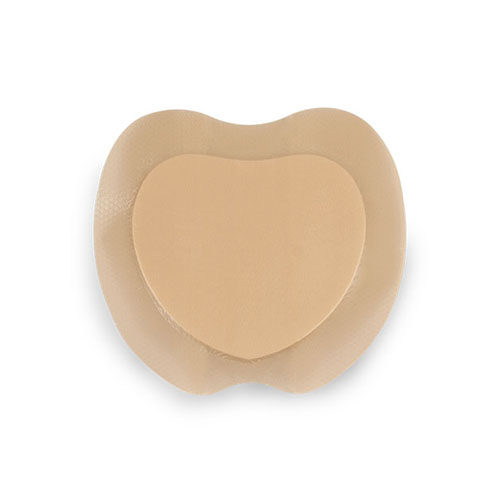
Foam dressings cushion wounds against shear forces, pressure, and friction—common causes of secondary trauma in immobile patients. Their flexibility allows them to conform to irregular surfaces, such as heels, sacral areas, and joints. The ActivHeal® Heel Dressing, designed with a contoured shape, reduces pressure on bony prominences, lowering the risk of pressure ulcer development. Additionally, foam’s thermal insulation properties help maintain wound bed temperature, which is crucial for enzymatic activity and cell proliferation.

Clinical Applications
1.Chronic Wounds
Venous Leg Ulcers (VLUs): Foam dressings are first-line therapy for VLUs due to their high absorptive capacity and compatibility with compression therapy. A 2024 meta-analysis found that foam dressings under compression bandages reduced healing time by 18 days compared to traditional methods.
Diabetic Foot Ulcers: These wounds often exhibit heavy exudate and biofilm formation. Silver-loaded foam dressings, such as DermaRite’s Antimicrobial Foam, have been shown to reduce amputation risks by 27% in high-risk patients.
Pressure Ulcers: International guidelines recommend foam dressings for Stage II and shallow Stage III ulcers, citing their ability to prevent maceration and support granulation.
2.Acute Wounds
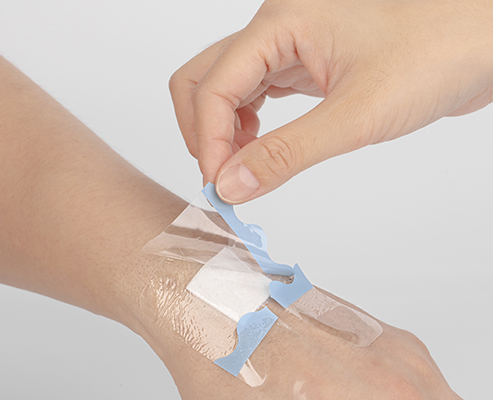
Surgical Incisions: Foam dressings provide a sterile barrier while managing post-operative drainage. Their atraumatic removal reduces pain during dressing changes.
Traumatic Wounds: For abrasions and lacerations, foam dressings protect against contamination and promote re-epithelialization. The LUOFUCON® Foam Dressing’s gas-permeable membrane allows oxygen exchange while blocking bacteria.
3.Specialized Uses
Tube Sites: Foam dressings with fenestrations, like the ActivHeal® Tracheostomy Dressing, absorb drainage around tracheostomy and gastrostomy tubes, reducing skin irritation.
Negative Pressure Wound Therapy (NPWT): Foam interfaces in NPWT systems distribute suction evenly, enhancing granulation tissue formation in complex wounds.
Radiation Dermatitis: A 2025 study reported that foam dressings reduced pain scores by 50% in patients undergoing radiotherapy for breast cancer, likely due to their cooling effect and moisture retention.
Advantages Over Traditional Dressings
Foam dressings outperform traditional options in several key areas:
Absorption Capacity: Superabsorbent foams retain exudate for up to 7 days, reducing nursing time and costs.
Patient Comfort: Their soft, conformable design minimizes pain during application and removal.
Versatility: Available in adhesive, non-adhesive, and antimicrobial variants, foam dressings adapt to diverse clinical needs.
Cost-Effectiveness: Despite higher upfront costs, foam dressings reduce total treatment expenses by 22% through fewer changes and improved healing outcomes.
Conclusion
Foam dressings represent a paradigm shift in wound care, offering a multifunctional solution for exudate management, infection control, and mechanical protection. Their ability to maintain a moist healing environment while accommodating irregular wound shapes and high-exudate levels makes them indispensable across acute, chronic, and specialized clinical scenarios. From venous ulcers to surgical incisions, foam dressings consistently demonstrate superior performance compared to traditional gauze, with added benefits of antimicrobial activity and patient comfort. As research continues to refine foam formulations—such as integrating advanced polymers or biologic agents—the role of foam dressings in wound healing will only expand, solidifying their status as a foundational tool in modern healthcare.


Changzhou Major Medical Products Co., Ltd. was established in June 2005, focusing on the field of medical supplies for 17 years. It is a high-tech enterprise that is quality-oriented, engaged in the research and development, production and sales of advanced medical dressings.